Shaun Deeb’s POY Blueprint: Why Volume Still Beats Variance
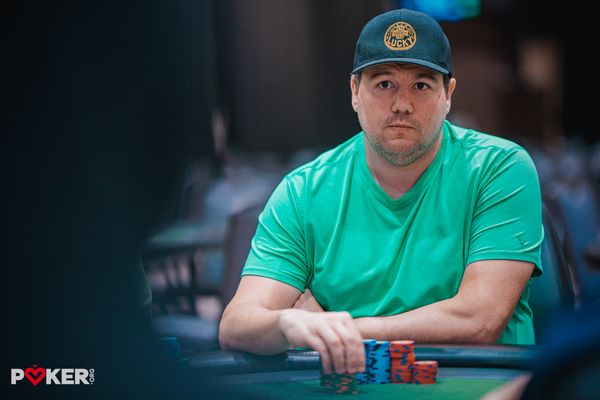
Shaun Deeb is hunting unprecedented WSOP territory in 2026—a third Player of the Year crown and back-to-back titles. But the grinder’s grinder isn’t sold on the revamped POY format, arguing it rewards variance over consistency and could turn poker’s ultimate endurance race into a one-tournament lottery.
What Happened
The World Series of Poker has completely overhauled its Player of the Year competition for 2026, transforming what was once a summer-only Vegas grind into a nine-month global gauntlet spanning Las Vegas, Prague, and Paradise. The changes include a massive $1 million prize pool distributed among the top 100 finishers, with the top three earning $100,000 WSOP Paradise packages alongside the prestigious title.
Deeb wasted no time preparing for his historic chase, capturing a WSOP Circuit ring at Turning Stone in Event #6 ($400 Six-Max) for $34,195. It’s the kind of warm-up tournament most high-stakes pros would skip, but Deeb isn’t most pros. When he sets his sights on a target, he attacks it with methodical precision that borders on obsessive.
Last summer’s POY campaign showcased exactly this approach. Deeb didn’t randomly fire bullets at every event—he reverse-engineered the point system and built a tournament schedule designed to maximize POY equity. His $100,000 Pot-Limit Omaha victory for nearly $3 million provided the knockout punch, overtaking Benny Glaser who had already secured three bracelets and seemed destined for the title.
The 2026 format introduces significant structural changes that have the poker community divided. Online WSOP events no longer count toward POY standings, the number of counting scores increased from 10 to 15, and the point formula now heavily weights field size over buy-in amount. For a player like Deeb who has spent a decade mastering the volume game, these changes create both opportunities and frustrations.
The Poker Strategy Breakdown
Deeb’s critique of the new POY system reveals a fundamental tension in tournament poker strategy: should the game’s most prestigious year-long title reward consistent excellence across diverse fields, or should it crown whoever gets hottest in the biggest events?
The new formula’s emphasis on field size creates what Deeb sees as a dangerous imbalance. Under the current structure, a player who wins the Main Event and posts mediocre results elsewhere could steamroll competitors who grind out consistent deep runs in tougher, smaller-field high rollers. According to Deeb’s analysis, the Main Event winner with 15 counting scores essentially locks up POY regardless of what happens in the rest of the series.
This represents a philosophical shift from rewarding the most complete player to rewarding the luckiest player in the highest-variance spots. Consider the skill differential: a $100,000 high roller typically features 50-100 of the world’s best players, while the Main Event attracts thousands of recreational players alongside the pros. Yet under the new system, the Main Event victory could be worth triple the points of conquering an elite high-roller field.
Deeb’s preferred system would weight multiple scores more heavily, creating a format where sustained excellence matters more than catching fire in one massive field. It’s a position that makes strategic sense—poker’s year-long championship should identify who played the best poker most consistently, not who ran hottest when the most players were registered.
The exclusion of online events adds another layer of complexity. While players like Daniel Negreanu and Phil Hellmuth have advocated for this change due to concerns about account integrity, Deeb sees it as removing a skill-testing component. His argument has merit: serious POY contenders are unlikely to risk their reputation and potential six-figure earnings through multi-accounting or real-time assistance, especially when they’re simultaneously grinding live events.
From a pure strategy standpoint, online events actually increase the skill component of POY races. They require different competencies—faster decision-making, HUD reading, managing multiple tables—that separate elite tournament players from one-dimensional live specialists. Removing them narrows the skill set being tested.
Reading The Field & Table Dynamics
The expanded global format fundamentally changes the player dynamics of the POY race. It’s no longer a six-week sprint where pros can clear their schedules and go all-in on Vegas. Now it’s a nine-month commitment spanning three continents, testing not just poker skills but lifestyle sustainability, bankroll management, and sheer physical endurance.
This format heavily favors younger, hungrier pros over established champions. Deeb acknowledges this generational divide, noting that Negreanu—despite his talent and past success—lacks the motivation to maintain the grinding volume necessary for POY equity. When you’ve already won millions and cemented your legacy, spending nine months in tournament halls chasing points holds less appeal than selective high-stakes appearances and content creation.
Deeb estimates he has another decade of this kind of grinding left in him, a timeline that reflects both his age and his understanding of the physical and mental toll. The POY race isn’t just about playing well; it’s about playing well repeatedly while managing travel fatigue, maintaining focus across hundreds of tournament hours, and avoiding the mental errors that creep in during month three of constant competition.
The field dynamics also shift when you’re playing with POY implications. Opponents know who’s chasing points, which can create exploitable situations. A player deep in a tournament who needs a top-three finish for POY points might play tighter on the bubble than optimal strategy suggests. Conversely, someone who’s already locked in their 15 counting scores might take higher-variance lines in subsequent events since only a win would improve their standing.
The international component introduces logistical complexity that becomes its own skill test. Managing travel between Vegas, Prague, and the Bahamas while maintaining peak performance requires planning that goes beyond poker strategy. Flight schedules, time zone adjustments, accommodation quality, and even dietary consistency all impact performance in ways that don’t show up on a HendonMob page but absolutely affect results.
How To Apply This To Your Game
Even if you’re not grinding for WSOP Player of the Year, Deeb’s approach offers valuable lessons for tournament players at any level. His systematic analysis of the POY point structure demonstrates the importance of understanding the specific game you’re playing beyond just poker fundamentals.
First, reverse-engineer your goals. If you’re trying to build a bankroll, that requires different tournament selection than if you’re chasing leaderboard points, building a reputation, or practicing specific formats. Deeb doesn’t just play poker—he plays the meta-game of POY points, which sometimes means entering tournaments that don’t offer optimal ROI but provide maximum point equity.
Second, embrace volume strategically. Deeb’s edge isn’t just that he plays more tournaments; it’s that he plays more tournaments while maintaining an edge. Many players increase volume at the expense of preparation, rest, and focus. The key is finding your sustainable maximum—the highest number of events you can play while still bringing your A-game to each one.
Third, specialize in formats others avoid. Deeb’s willingness to grind $400 six-max events at Circuit stops gives him counting scores that competitors skip. In your local poker economy, this might mean being the player who masters turbos, embraces mixed games, or shows up for the overlooked early-week tournaments that build your skills while others are waiting for the weekend flagship.
Fourth, track your own data with the same intensity Deeb tracks POY points. Know which formats, buy-in levels, and tournament structures produce your best results. Many players have vague impressions of their strengths; winning players have spreadsheets.
Finally, recognize when rule changes alter optimal strategy. The WSOP’s POY overhaul changed what it takes to win, and Deeb immediately adapted his approach despite disagreeing with the changes. In your games, this might mean adjusting to new blind structures, payout changes, or shifting player pools. Complaining about changes is natural; adapting to them is profitable.
Key Takeaways
- Shaun Deeb is pursuing an unprecedented third WSOP Player of the Year title and second consecutive crown, a feat never before accomplished in poker history
- The 2026 POY format now spans nine months across Las Vegas, Europe, and the Bahamas, with a $1 million prize pool for the top 100 finishers and online events excluded from scoring
- Deeb criticizes the new point formula for over-weighting field size and under-weighting buy-in difficulty, potentially allowing one big tournament win to determine the entire race
- The expanded global format favors younger, hungrier pros willing to maintain grinding volume over established players with less motivation for year-long campaigns
- Deeb’s systematic approach to POY—reverse-engineering the point system and building an optimized schedule—demonstrates the importance of playing the meta-game beyond just poker fundamentals
- Understanding the specific rules and incentive structures of any competition allows you to optimize strategy in ways that pure poker skill alone cannot achieve
Frequently Asked Questions
Why doesn’t the 2026 WSOP Player of the Year include online events?
The WSOP excluded online events from 2026 POY standings primarily due to concerns about account integrity—specifically whether the registered player is actually the one playing. Players like Daniel Negreanu and Phil Hellmuth advocated for this change, though Deeb argues that serious POY contenders are unlikely to risk their reputation through multi-accounting or ghosting, especially when simultaneously playing live events.
How does the new POY point formula differ from previous years?
The 2026 formula heavily weights field size over buy-in amount, meaning large-field events like the Main Event award significantly more points than smaller-field high rollers despite the latter typically featuring much tougher competition. The number of counting scores also increased from 10 to 15, and the race now includes WSOP Europe and WSOP Paradise events, making it a nine-month global competition rather than a summer-only Vegas grind.
What makes Shaun Deeb so successful at Player of the Year races?
Deeb combines exceptional volume with systematic analysis of the point structure. Rather than simply playing more tournaments, he reverse-engineers the POY formula to identify which events offer maximum point equity, then maintains his edge across hundreds of tournament hours through discipline and preparation. His willingness to grind events that other high-stakes pros skip—like $400 Circuit events—gives him counting scores that competitors don’t accumulate.
Final Thoughts
Shaun Deeb’s pursuit of a third Player of the Year title represents more than just individual achievement—it’s a masterclass in understanding the difference between playing poker well and winning the specific game in front of you. His criticisms of the 2026 format aren’t sour grapes; they’re the observations of someone who has spent a decade studying these systems and understands their second-order effects better than perhaps anyone in the game.
The tension between rewarding consistency versus rewarding variance will always exist in poker. Tournament formats inherently contain massive variance, and any year-long competition must balance recognizing sustained excellence against the reality that poker tournaments are won by getting hot at the right time. The question is whether the WSOP’s new formula has swung too far toward variance, potentially turning poker’s most prestigious year-long title into a one-tournament lottery with a nine-month sideshow.
Regardless of the format’s flaws, Deeb will adapt and grind. That’s what separates champions from complainers—the ability to optimize strategy within whatever rule set exists, even while advocating for better rules. Whether he captures that historic third title or not, his approach offers a blueprint for any serious tournament player: understand the meta-game, maximize your edge through volume and preparation, and never stop analyzing what actually wins versus what should win. The gap between those two is where champions are made.
Ready to Sharpen Your Poker Game?
Master your poker game with expert hand analysis