PokerStars-FanDuel Merger: Strategy for the New Player Pool
The PokerStars-FanDuel integration has created the largest shared liquidity pool in US regulated poker, combining three states and bringing sports bettors to the tables. For serious players, this represents the most significant shift in game selection and opponent dynamics since online poker returned to America—and understanding how to exploit it could define your 2026 win rate.
What Happened
On April 1st, PokerStars officially migrated to the FanDuel platform across Michigan, New Jersey, and Pennsylvania, retiring its legacy US software entirely. Players who previously used the standalone PokerStars client now require a FanDuel account to access the poker room, effectively creating a unified ecosystem under the “PokerStars exclusively on FanDuel” branding.
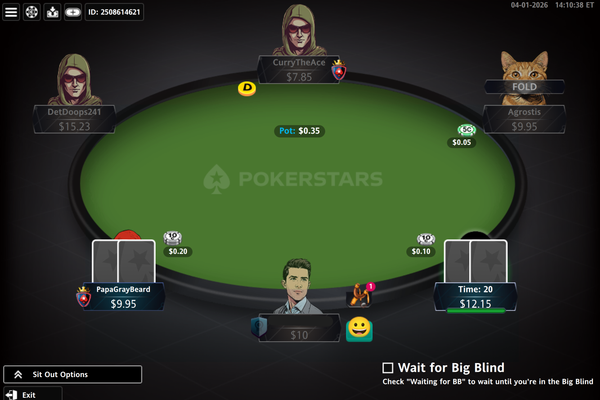
The migration brought immediate changes to the competitive landscape. Pennsylvania players, who had been isolated from shared liquidity arrangements, suddenly gained access to a combined player pool spanning three states. Early traffic reports showed 17 no-limit hold’em cash tables ranging from $0.05/$0.10 to $1/$2, five pot-limit Omaha tables, and the full suite of Zoom and Spin & Go offerings.
The tournament schedule received a significant overhaul, headlined by the return of the Sunday Million on April 12th with a $1 million guarantee. However, the structure departed from tradition by splitting the guarantee across two separate buy-in tiers—$100 and $1,000—rather than offering a single tournament. This decision sparked immediate debate within the poker community about accessibility and prize pool distribution.
All existing screennames became available for registration, creating a land-grab scenario for players wanting premium handles. The platform is offering deposit matches up to $1,000 plus tournament tickets to both new and existing FanDuel users who opt into the promotion. Legacy PokerStars accounts remain accessible for withdrawals through April 30th, after which any remaining balances will be mailed via check.
The Poker Strategy Breakdown
The strategic implications of this merger extend far beyond increased traffic numbers. We’re witnessing a collision of two distinct player populations: experienced PokerStars regulars who’ve been grinding regulated US poker for years, and FanDuel’s massive sports betting customer base who may be trying poker for the first time or returning after extended absences.
This creates a temporary golden age for exploitation-based strategies. When player pools merge or expand dramatically, the games soften considerably during the transition period. Recreational players drawn from FanDuel’s sports betting platform bring fundamentally different playing styles compared to poker-native users. They’re accustomed to the variance and entertainment value of sports wagering, which often translates to looser preflop ranges, higher willingness to gamble, and less concern with optimal bet sizing.
For cash game players, this means adjusting your table selection criteria. The traditional metrics—average pot size, players per flop percentage, hands per hour—remain important, but you should also consider time of day relative to sports betting patterns. Evening sessions during major sporting events may attract the most recreational traffic as sports bettors migrate to poker tables between games or after settling their sports wagers.
Your value betting ranges should expand significantly during this transition period. Against opponents unfamiliar with poker-specific concepts like pot odds and implied odds, you can extract maximum value with more straightforward lines. The fancy play syndrome that sometimes infects regulars playing against other regulars becomes actively counterproductive when your opponent doesn’t recognize or respect advanced moves.
In Spin & Gos specifically, the influx of recreational players creates opportunities for skilled players to increase volume profitably. These lottery-style sit-and-goes appeal to the same psychological triggers that attract sports bettors—the possibility of a massive score from a small investment. However, the fundamental push-fold mathematics remain unchanged, giving experienced players a significant edge in the hyper-turbo format.
The split-format Sunday Million presents unique strategic considerations. The $100 buy-in version will attract a significantly softer field than the $1,000 variant, but both tournaments share the same guarantee. This creates an interesting expected value calculation. The $1,000 version offers a tougher field but potentially better overlay situations if recreational players gravitate toward the more affordable option. Meanwhile, the $100 tournament provides better raw ROI but requires navigating a larger field with more variance.
Reading The Field & Table Dynamics
Understanding the composition of your specific table becomes crucial during this integration period. You’ll encounter three distinct player types in the new shared pool: legacy PokerStars regulars, experienced multi-site grinders from New Jersey and Michigan, and FanDuel sports bettors exploring poker.
Legacy PokerStars regulars from Pennsylvania will be the most aggressive adapters. They’ve been playing in a smaller, tougher pool and will immediately recognize the softer conditions. Expect these players to widen their ranges, increase their aggression, and actively hunt for recreational players. Against these opponents, maintain discipline and avoid unnecessary confrontations when softer targets are available.
The multi-site grinders from New Jersey and Michigan bring experience from the shared liquidity environment but may not be familiar with specific PokerStars software features or tournament structures. These players typically demonstrate solid fundamental skills but may lack the specialized knowledge of PokerStars-specific formats. They represent neither your primary profit source nor your most dangerous opponents.
FanDuel sports bettors are your primary target demographic. These players often display several exploitable tendencies: overvaluing top pair hands, calling too frequently with draws, and struggling with proper stack-to-pot ratio management in tournaments. They may also show unfamiliarity with poker-specific terminology and timing, occasionally timing out on decisions or making sizing mistakes that reveal hand strength.
Table dynamics will shift more rapidly than usual during the first several weeks. As recreational players either improve, go broke, or abandon poker, the games will gradually toughen. This creates a time-sensitive opportunity where early adopters gain the maximum edge. Players who delay their transition to the new platform will face progressively tougher lineups as the weakest opponents are eliminated and the remaining players gain experience.
In tournament play, pay particular attention to bubble dynamics. Recreational players often demonstrate poor ICM understanding, either playing too tight and allowing themselves to be exploited, or too loose and spewing chips without recognizing the increased value of survival. The Sunday Million bubble, with its six-figure top prizes, will create especially pronounced ICM pressure that skilled players can leverage against opponents unfamiliar with these concepts.
How To Apply This To Your Game
Immediate action items should focus on game selection and volume maximization during the optimal window. First, create your FanDuel account immediately if you haven’t already, and claim the available promotions. The $1,000 deposit match and tournament tickets provide genuine value, and the satellite structure for the Sunday Million offers affordable paths to major tournaments.
Prioritize table selection over game type during the initial weeks. A $0.25/$0.50 table with three recreational players offers better expected value than a $1/$2 table populated entirely by regulars. Use the lobby filters to identify tables with high average pot sizes and elevated players-per-flop percentages—these metrics reliably indicate recreational player presence.
Adjust your session timing to coincide with peak recreational traffic. Evening hours, particularly during major sporting events, will attract the highest concentration of sports bettors. Weekend sessions should also see increased recreational traffic as casual players explore the platform.
For tournament players, satellite strategy becomes particularly important. The abundance of $20 qualifiers to the Sunday Million creates overlay opportunities and provides affordable practice navigating the new player pool. These satellites also serve as excellent learning environments where you can observe opponent tendencies without risking a full buy-in.
Implement a note-taking system immediately. With screennames reset and a mixed player pool, your existing database becomes partially obsolete. Focus on identifying and tagging recreational players for future table selection. Note specific tendencies like calling frequency, aggression levels, and tilt indicators that will inform future decisions.
Consider expanding your game selection temporarily. If you typically focus on no-limit hold’em, the softer conditions make this an ideal time to explore pot-limit Omaha or other variants. The learning curve costs less when your opponents are making fundamental errors, and diversifying your game selection increases your total available table options.
For bankroll management, maintain conservative standards despite the softer games. The increased variance from recreational players’ unpredictable actions can create larger swings than you’re accustomed to, even with a higher win rate. Resist the temptation to move up in stakes too quickly, even if the games appear beatable.
Key Takeaways
- The PokerStars-FanDuel integration creates the largest shared liquidity pool in US regulated poker, temporarily softening games as sports bettors explore poker offerings
- Maximize volume during the first 4-6 weeks when recreational player concentration peaks before the field naturally toughens through attrition and learning
- Prioritize straightforward, exploitative strategies over balanced GTO approaches when facing recreational opponents unfamiliar with poker-specific concepts
- The split-format Sunday Million ($100 and $1,000 buy-ins sharing a $1M guarantee) requires careful ROI analysis based on field composition and overlay potential
- Table selection becomes paramount—seek high average pot sizes and elevated players-per-flop percentages to identify tables with recreational player concentration
- Time your sessions around major sporting events and evening hours when FanDuel’s sports betting customers are most likely to migrate to poker tables
Frequently Asked Questions
Do I need to create a new account if I already played on PokerStars Pennsylvania?
Yes, the legacy PokerStars software has been completely retired in the US. All players, including existing PokerStars customers, must create a FanDuel account to access the new platform. However, existing players can still claim the welcome bonus by opting in. Your old account remains accessible for withdrawals until April 30th, after which any remaining balance will be mailed to your registered address.
How does the split Sunday Million format affect my tournament selection strategy?
The $100 and $1,000 buy-in tiers sharing a $1 million guarantee create distinct strategic considerations. The $100 version will attract a larger, softer field with better raw ROI but more variance due to field size. The $1,000 version features a tougher field but may offer overlay opportunities if recreational players choose the cheaper option. Your decision should factor in your bankroll, skill edge, and variance tolerance. For most players, the $100 version via satellite qualification offers the best risk-adjusted value.
What specific adjustments should I make against FanDuel sports bettors at the tables?
Sports bettors typically display several exploitable tendencies: they overvalue top pair hands, call too frequently with marginal holdings, and struggle with proper bet sizing. Against these opponents, simplify your strategy—value bet thinner, bluff less frequently, and avoid fancy plays that rely on opponent sophistication. Focus on straightforward lines that maximize value from their calling tendencies. In tournaments, exploit their poor ICM understanding near bubbles by applying pressure when they’re likely to fold too often or call too light.
Final Thoughts
The PokerStars-FanDuel integration represents the most significant opportunity in US regulated poker since the market reopened. The combination of shared liquidity across three states and the influx of sports betting customers creates a temporary golden age for skilled players who act quickly. However, this window won’t remain open indefinitely—recreational players will either improve, go broke, or return to sports betting, gradually toughening the games.
The key to maximizing this opportunity lies in immediate action and strategic focus. Prioritize volume and game selection over moving up in stakes. Build your database of recreational players for future exploitation. And most importantly, maintain the discipline to play straightforward, fundamentally sound poker rather than getting fancy against opponents who won’t recognize or respect advanced moves.
For tournament players, the return of six-figure guarantees to a three-state market creates unprecedented opportunities. Whether you’re grinding satellites to the Sunday Million or playing the daily schedule, the combination of strong guarantees and softer fields makes this an ideal time to focus on tournament volume. The strategic adjustments required aren’t complex—simply execute fundamentally sound poker against opponents making fundamental errors, and the results will follow.
Ready to Sharpen Your Poker Game?
Master your poker game with expert hand analysis