Lodge Card Club Beats Texas Charges: Legal Lessons for Poker
The Lodge Card Club secured a decisive victory when a Williamson County Grand Jury declined to indict the popular Round Rock venue, ending a tumultuous legal saga that shuttered operations for over six weeks. The decision represents more than just a win for one card room—it’s a masterclass in navigating uncertainty, managing risk, and understanding when to hold your ground against aggressive opposition.
What Happened
On a Tuesday in late April 2026, The Lodge Card Club received the news it had been waiting for since Texas Alcoholic Beverage Commission (TABC) agents raided the premises in the early morning hours of March 10. A grand jury refused to authorize the state’s proposed charges, effectively ending the legal dispute and clearing the path for the venue to resume operations.
The raid itself had been swift and devastating. TABC officials descended on the Round Rock facility, forcing an immediate closure that left players mid-session and employees uncertain about their livelihoods. Within weeks, the situation deteriorated further as authorities froze The Lodge’s bank accounts and assets, creating a cash flow crisis that forced management to make the difficult decision to lay off more than 200 staff members.
Co-owner Doug Polk, a former high-stakes professional known for his heads-up prowess, publicly characterized the investigation as a “witch hunt” and rallied community support throughout the ordeal. His read proved accurate—the grand jury’s refusal to indict validates The Lodge’s position that its operations fell within legal boundaries.
Now comes the rebuild. The venue must rehire its substantial workforce, retrieve frozen assets, and return player funds that were locked up during the closure. Management has indicated plans to reopen “as soon as possible” with special events designed to welcome members back, though no specific timeline has been announced.
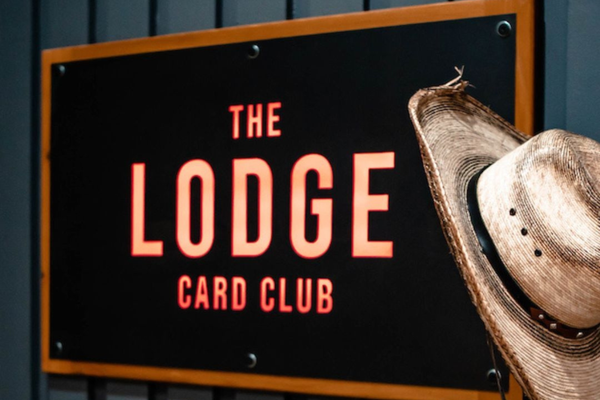
The Poker Strategy Breakdown
The Lodge’s legal battle mirrors fundamental poker strategy in ways that extend far beyond the felt. When facing aggression—whether from an opponent firing three streets or state regulators conducting a raid—you must accurately assess your hand strength, evaluate the credibility of your opponent’s range, and decide whether to fold under pressure or stand your ground.
The Lodge faced what amounted to a massive overbet from the state. The TABC didn’t just file charges; they froze assets, shuttered operations, and forced layoffs. In poker terms, this is the equivalent of an opponent shoving all-in on the river. The decision tree becomes binary: fold and accept defeat, or call and risk everything on your read.
The Lodge’s management made a crucial strategic decision to contest the charges rather than negotiate a settlement or cease operations permanently. This required conviction in their position—similar to calling a big river bet when you believe your opponent is bluffing. They assessed their “hand” (the legality of their business model), evaluated the “board texture” (Texas gambling laws and precedent), and determined they had sufficient equity to continue.
The layoff decision, while painful, represented smart bankroll management. Rather than bleeding money during an extended closure with frozen accounts, The Lodge cut expenses to preserve whatever capital remained accessible. In tournament poker, this is analogous to tightening up when your stack dwindles, preserving chips for spots where you have clear edges rather than speculatively calling in marginal situations.
Polk’s public communication strategy also deserves analysis. By framing the investigation as a “witch hunt” and maintaining transparency with the poker community, he generated public support and media attention. This is similar to how aggressive table talk and confident betting patterns can influence opponents’ perceptions—you’re not just playing your cards, you’re managing the narrative and psychological warfare.
Reading The Field & Table Dynamics
The Lodge’s situation existed within a broader context of Texas poker’s legal gray area. The state has no commercial casinos, but card rooms have proliferated by structuring operations around membership models and avoiding traditional rake. Understanding this landscape was crucial to The Lodge’s strategic response.
The grand jury’s decision to decline indictment sends a powerful signal about community standards and legal interpretation. Grand juries consist of citizens who evaluate whether sufficient evidence exists to proceed with charges. Their refusal suggests that either the evidence was weak, the legal theory was questionable, or community sentiment favored The Lodge’s position—possibly all three.
This dynamic mirrors reading a poker table where multiple players have folded to your raise. Each fold provides information about their ranges, table image, and risk tolerance. The grand jury’s “fold” indicates that The Lodge’s opponents (state prosecutors) didn’t have the goods to continue in this hand.
For other Texas card rooms watching this dispute, the outcome provides valuable information about the regulatory environment. The Lodge’s victory suggests that well-structured operations can withstand legal scrutiny, which should embolden other operators while potentially deterring overly aggressive enforcement actions.
The player fund situation also created interesting dynamics. With money locked up, players became stakeholders in The Lodge’s legal outcome beyond just wanting their favorite venue to reopen. This created a community of invested parties with aligned incentives—similar to how ICM considerations in tournaments create situations where multiple players benefit from a third player’s elimination.
How To Apply This To Your Game
The Lodge’s experience offers several actionable lessons for poker players beyond the obvious legal and business implications.
Trust your read when you have strong conviction. If you’ve done proper analysis and believe your opponent is overplaying their hand, don’t fold premium holdings just because they’re applying maximum pressure. The Lodge believed in the legality of their operation and held firm despite enormous pressure. Similarly, if you know you have the best hand, don’t let aggressive betting scare you off.
Manage risk exposure ruthlessly. The Lodge’s decision to lay off employees, while difficult, prevented a worse outcome where the business collapsed entirely. In poker, this translates to proper bankroll management and knowing when to move down in stakes or reduce volume when variance hits. Protecting your ability to continue playing is more important than any individual session or tournament.
Understand the difference between variance and bad strategy. The Lodge’s closure wasn’t a result of poor business decisions—it was an external shock. Similarly, losing a hand where you got your money in good isn’t a strategic error. Don’t let short-term results cause you to abandon sound fundamentals.
Communication matters in crisis situations. Polk’s transparency with the community maintained goodwill and support during the closure. At the poker table, how you handle bad beats, disputes, or tough spots affects your table image and relationships with other players. Professional conduct during adversity pays dividends.
Know when you’re playing for more than just the current pot. The Lodge’s legal fight had implications beyond their immediate business—it affected the entire Texas poker ecosystem. Sometimes poker decisions carry meta-game significance. How you play a hand against a specific opponent might influence future dynamics or your overall table image in ways that transcend the immediate expected value calculation.
Key Takeaways
- A Williamson County Grand Jury declined to indict The Lodge Card Club, ending a legal dispute that began with a March 10 TABC raid and forced closure
- The venue laid off over 200 employees and had assets frozen during the dispute, but can now begin the rebuilding process with plans to reopen soon
- The decision validates The Lodge’s business model and provides clarity for other Texas card rooms operating in a legal gray area
- Standing firm against aggressive pressure requires conviction in your position, proper risk management, and willingness to accept short-term pain for long-term gain
- The outcome demonstrates the importance of understanding the broader context and dynamics beyond just the immediate confrontation
- Transparent communication during crisis situations helps maintain stakeholder support and can influence eventual outcomes
Frequently Asked Questions
Why did the grand jury decline to indict The Lodge Card Club?
While specific deliberations remain confidential, a grand jury’s refusal to indict typically indicates insufficient evidence, questionable legal theory, or both. The decision suggests prosecutors couldn’t demonstrate that The Lodge’s operations clearly violated Texas law, validating the venue’s position that its membership-based model operates within legal boundaries.
What does this mean for other card rooms in Texas?
The Lodge’s victory provides important precedent and clarity for the Texas poker industry. It suggests that properly structured card rooms can withstand legal scrutiny, which should give other operators more confidence to continue and expand operations. However, each venue’s specific business model and local enforcement environment may vary.
Will players get their money back from The Lodge?
Yes. With the legal dispute resolved and asset freezes lifted, The Lodge will be able to return player funds that were locked up during the closure. The venue has committed to making players whole as part of the reopening process, though the specific timeline for fund distribution hasn’t been publicly detailed.
Final Thoughts
The Lodge Card Club’s legal victory represents more than just one venue’s survival—it’s a case study in strategic decision-making under extreme pressure. The parallels to poker strategy are striking: reading your opponent’s range, managing risk when facing aggression, and having the conviction to stand your ground when you believe you’re right.
For the Texas poker community, this outcome provides much-needed clarity and optimism. The state’s poker scene has flourished in recent years despite operating in a legal gray area, and The Lodge’s ability to successfully defend its model should encourage continued growth. The rebuilding process won’t be instantaneous—rehiring staff, restoring operations, and regaining momentum takes time—but the foundation remains solid.
The broader lesson extends beyond Texas poker rooms to every player at every stake level: when you face aggression, whether legal, financial, or across the felt, accurate assessment and conviction in your position matter more than the immediate pressure you’re facing. The Lodge read the situation correctly, managed risk appropriately, and ultimately won a pot that many observers thought they might have to fold.
Ready to Sharpen Your Poker Game?
Master your poker game with expert hand analysis