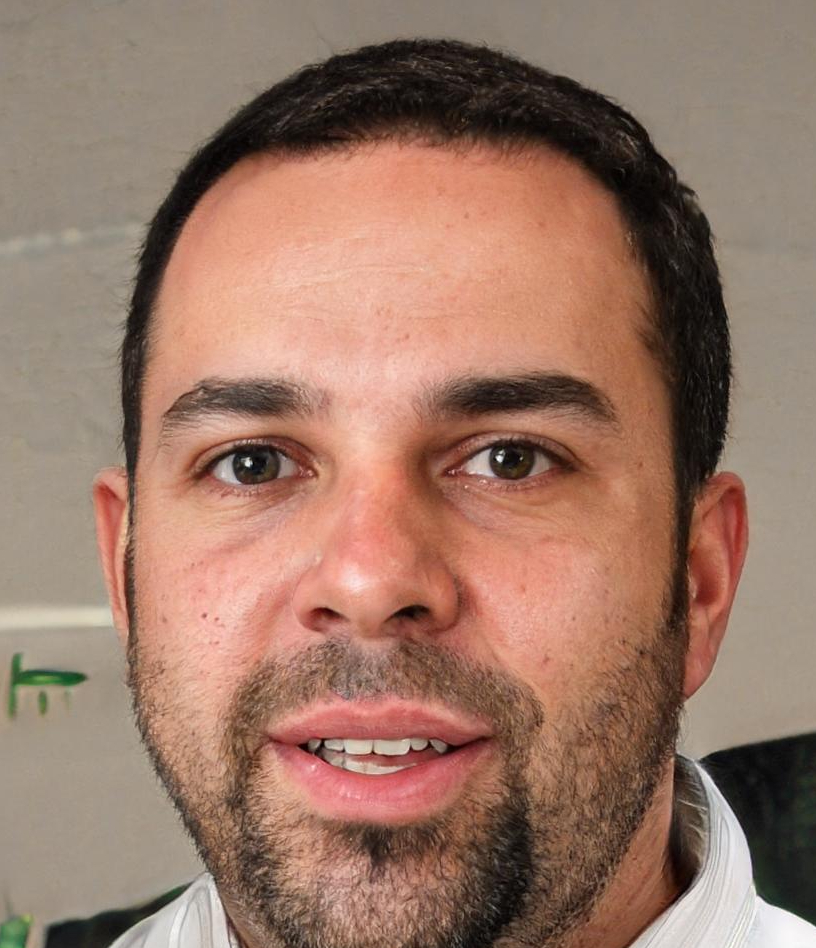
Dara O’Kearney’s WSOP Prep: Multi-Way Pots & Mental Game
Irish poker pro Dara O’Kearney is leveraging cutting-edge solver technology and mental game refinements to gain an edge at the 2026 WSOP. The author of seven poker strategy books reveals his preparation focuses on multi-way pot dynamics and table presence—areas where most players leave significant money on the table.
What Happened
As the 2026 World Series of Poker approaches, Dara O’Kearney sat down to discuss his tournament preparation strategy and what he believes separates winning players from the field. The co-host of the GPI award-winning podcast The Chip Race and respected strategy coach outlined two primary areas of focus: Independent Chip Model (ICM) applications and multi-way pot strategy.
O’Kearney’s preparation comes at a time when poker solver technology has evolved to handle complex multi-way scenarios with unprecedented accuracy. While acknowledging that perfect Nash equilibrium solutions don’t exist for multi-way pots due to technical limitations, he emphasizes that modern solvers now produce solutions strong enough to provide significant edges over opponents who rely on outdated two-player frameworks.
Beyond technical strategy, O’Kearney revealed a shift in his approach to the mental and social aspects of tournament poker. After years of treating the game as primarily social, he’s recalibrating his table presence to maximize focus during crucial decision points—a change that could prove pivotal during the grueling WSOP schedule.

The Poker Strategy Breakdown
O’Kearney’s emphasis on multi-way pot strategy represents a frontier in tournament poker that most players haven’t adequately explored. Traditional poker training focused heavily on heads-up scenarios because that’s what early solver technology could handle. But tournament poker—especially in the early and middle stages—frequently involves three, four, or even five players seeing a flop.
The strategic implications are massive. In heads-up pots, you’re either betting or checking, raising or folding. Add a third player, and the complexity multiplies exponentially. Position becomes more nuanced, range construction shifts dramatically, and continuation betting frequencies require complete recalibration.
Consider a standard tournament scenario: you raise from the hijack with pocket tens, the button calls, and the big blind defends. The flop comes king-high with two clubs. In a heads-up pot, your continuation bet strategy is relatively straightforward. But with two opponents, you need to account for how they interact with each other, their respective ranges, and how your bet size affects both players simultaneously.
Modern multi-way solvers reveal that optimal play often involves more checking than players expect, smaller bet sizes when you do bet, and more polarized ranges when you choose larger sizes. The solver solutions show that trying to win every pot immediately is a losing strategy—instead, pot control and careful range management become paramount.
O’Kearney’s focus on ICM complements this multi-way work perfectly. As tournaments progress and pay jumps become more significant, ICM pressure intensifies. Understanding how to apply ICM concepts in multi-way pots—where multiple opponents might be affected differently by the same pay jump—separates elite tournament players from merely good ones.
The bet sizing insight O’Kearney shared about recreational players is particularly valuable. He notes that many amateurs default to a single continuation bet size—typically one-third or half pot—regardless of board texture, position, or opponent tendencies. This predictability is exploitable because observant opponents can narrow your range based solely on your bet size.
Advanced players vary their bet sizes dramatically based on multiple factors: board texture, range advantage, stack depths, and strategic goals. Sometimes a 10% pot bet accomplishes everything you need—it defines ranges, puts pressure on marginal holdings, and risks minimal chips. Other times, a double-pot overbet is optimal because it polarizes your range and puts maximum pressure on your opponent’s calling range.
Reading The Field & Table Dynamics
O’Kearney’s observation about amateur players calling raises too frequently rather than three-betting or folding highlights a fundamental tournament poker concept: polarization and unpredictability. When you only call raises, you cap your range—you’re essentially announcing that you don’t have premium hands. This makes you exploitable on later streets.
The three-bet-or-fold strategy (with occasional calls for deception) keeps opponents guessing and allows you to apply maximum pressure. It’s particularly effective in tournaments where fold equity is valuable and chip accumulation in the early stages sets up deep-run potential.
O’Kearney’s point about playing too many hands early when stacks are deep is counterintuitive for many players. The common wisdom suggests playing more hands when you have room to maneuver. But the reality is that deep-stack play requires sophisticated post-flop skills. If you’re not comfortable navigating complex multi-street decisions with marginal holdings, you’re better off playing tighter and focusing on spots where you have clearer advantages.
His mental game adjustment—moving away from treating poker purely as a social experience—reflects a maturation in approach. There’s nothing wrong with enjoying the social aspects of poker between hands, but during a hand, complete focus is essential. Every decision matters, and the cumulative effect of slightly suboptimal decisions due to distraction can be the difference between a deep run and an early exit.
Table presence and perception management matter more than many players realize. If opponents view you as relaxed and social, they might underestimate your technical abilities. While this can occasionally work in your favor, it more often means they’ll make looser calls against you or attempt more bluffs, assuming you’re not paying close attention. Projecting focused intensity can earn you folds you wouldn’t otherwise get.
How To Apply This To Your Game
Start by auditing your continuation bet sizing strategy. If you’re using the same bet size in most situations, you’re leaving money on the table. Experiment with a wider range of sizes: 25% pot on dry boards where you have a range advantage, 75% pot on dynamic boards where you want to charge draws, and occasional overbets when your range is heavily polarized.
Next, examine your pre-flop calling ranges. Are you calling raises with hands like suited connectors and small pocket pairs from out of position? Unless you’re confident in your post-flop play, consider three-betting these hands for fold equity or simply folding them. Your default should be three-bet-or-fold, with calls reserved for specific situations where you have positional advantages or strong reads.
Invest time studying multi-way pot dynamics. While you might not have access to the same advanced solvers O’Kearney uses, you can still improve by reviewing your multi-way hands and thinking critically about how additional players affect your strategy. As a general rule, you should continuation bet less frequently, check more often with marginal made hands, and be more cautious about building large pots without strong holdings.
Work on your mental game and table presence. Before each session, commit to giving full attention to every hand you’re involved in. Put your phone away, minimize social conversations during hands, and focus on gathering information about your opponents. Small details—timing tells, bet sizing patterns, emotional reactions—become visible only when you’re fully present.
Finally, study ICM if you haven’t already. Understanding how tournament equity differs from chip equity is crucial for making optimal decisions near the money bubble, at final tables, and during any situation where pay jumps are significant. ICM mistakes are among the most expensive errors in tournament poker, yet many players neglect this area of study entirely.
Key Takeaways
- Modern solver technology now provides strong solutions for multi-way pots, offering edges to players who study these complex scenarios that most opponents neglect
- Varying your bet sizes dramatically based on board texture and strategic goals makes you significantly harder to play against than using a default size
- Adopt a three-bet-or-fold strategy pre-flop rather than calling raises frequently, which caps your range and makes you exploitable
- Playing too many hands early in tournaments when stacks are deep is a major leak—tight is right until you develop advanced post-flop skills
- Mental game and table presence matter: complete focus during hands and projecting intensity can earn you folds and respect
- ICM study is essential for tournament success, particularly as you approach money bubbles and final tables where pay jumps create significant pressure
Frequently Asked Questions
Why is multi-way pot strategy more important now than before?
Solver technology has evolved to the point where it can produce strong solutions for multi-way scenarios, which wasn’t possible with earlier generations of solvers. Since tournament poker involves frequent multi-way pots, especially in early stages, players who understand these dynamics have significant edges over opponents still using heads-up frameworks. The strategic adjustments required—smaller bet sizes, more checking, different range constructions—differ substantially from two-player pots.
How should I adjust my bet sizing strategy?
Move away from default bet sizes and instead choose sizes based on your strategic goal. Use smaller bets (10-33% pot) on dry boards where you have range advantages and want to bet frequently. Use medium bets (50-75% pot) on dynamic boards where you want to charge draws and protect your equity. Use large bets or overbets (100%+ pot) when your range is polarized and you want to put maximum pressure on your opponent. The key is unpredictability and strategic alignment.
What’s the biggest difference between ICM and chip EV decisions?
ICM (Independent Chip Model) accounts for the tournament equity value of your chips, which differs from their face value, especially near pay jumps. In chip EV terms, winning 10,000 chips is exactly as valuable as losing 10,000 chips is costly. But in ICM terms, the chips you lose hurt you more than the chips you win help you, particularly when you have a medium stack near a pay jump. This means you should play more conservatively in ICM pressure spots, folding hands that would be profitable calls in chip EV situations.
Final Thoughts
Dara O’Kearney’s preparation strategy reveals the evolving nature of tournament poker excellence. The game continues to advance, and players who rest on outdated strategies—even strategies that were cutting-edge just a few years ago—will find themselves at increasing disadvantages. The combination of technical study using modern tools and mental game refinement represents the complete package for tournament success.
What’s particularly valuable about O’Kearney’s approach is its balance. He’s not suggesting you become a robot who only plays GTO poker, nor is he advocating for pure exploitative play. Instead, he’s identifying specific areas—multi-way pots, bet sizing variation, ICM application—where most players have significant leaks and where focused study provides immediate returns. These aren’t abstract concepts; they’re practical edges you can develop and apply in your very next tournament.
As the 2026 WSOP approaches, players at all levels would be wise to examine their own preparation routines. Are you studying the areas where your opponents are weakest? Are you leveraging available technology to understand complex scenarios? Are you managing your mental game and table presence to maximize your edge? The players who answer yes to these questions will be the ones deep in tournaments while others are booking flights home.
Ready to Sharpen Your Poker Game?
Master your poker game with expert hand analysis