Former EPT Winner Leads Monte Carlo Main Event Day 4 Field
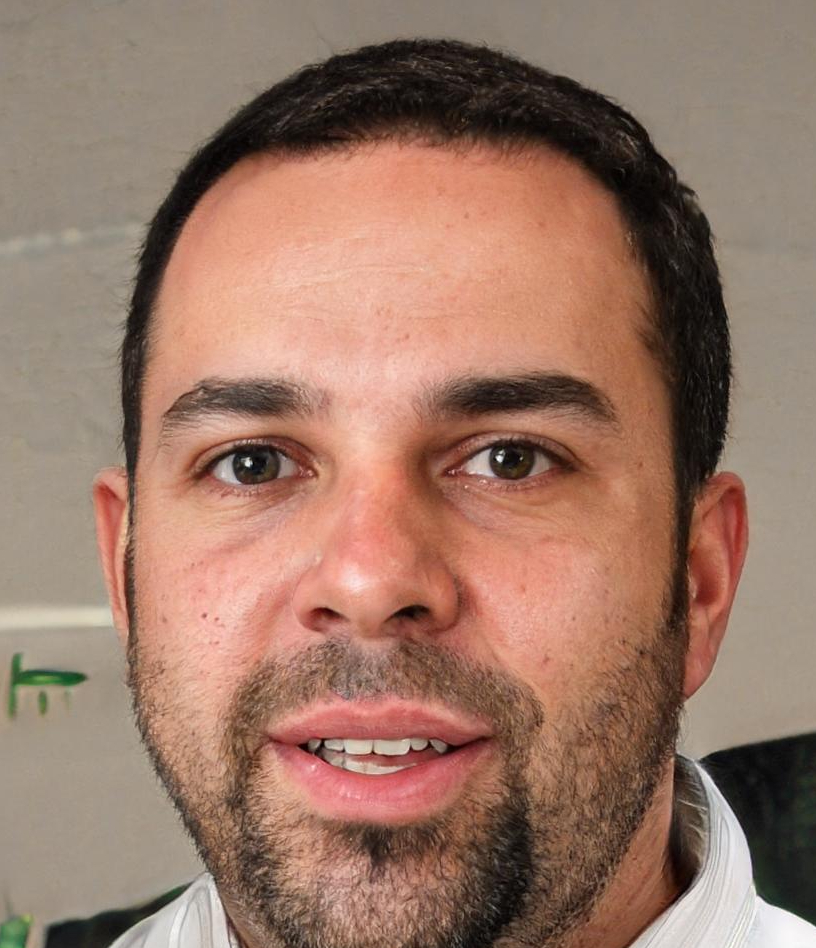
Thomas Eychenne, fresh off his 2025 EPT Barcelona victory, has surged to the chip lead as the Monte Carlo Main Event enters its critical fourth day. With only 48 players remaining from the original field and €825,000 awaiting the champion, Eychenne commands a formidable stack of 185 big blinds while facing a gauntlet of former EPT champions and elite tournament grinders.
What Happened
Day 3 of the EPT Monte Carlo Main Event witnessed brutal attrition as 151 players who had safely navigated the money bubble were whittled down to just 48 survivors. The €4.9 million prize pool now sits tantalizingly close for those remaining, with each player already guaranteed €16,100 but eyeing the massive pay jumps ahead.
Eychenne enters Day 4 with 1,846,000 chips at blinds of 6K/12K/12K, giving him significant leverage over a field packed with accomplished professionals. Morocco’s top earner Mehdi Chaoui sits in second position with 1,686,000, while Bulgarian crusher Ognyan Dimov holds third with 1,634,000. Veteran cash game specialist Raul Mestre rounds out the top four with 1,627,000.
The top ten features an impressive concentration of EPT Main Event champions. Derk van Luijk, who conquered this very tournament in 2024 for a €1 million payday, remains dangerous with 963,000 chips. Leonard Maue, who finished runner-up in Monte Carlo in 2023, sits in fifth position with 1,236,000, clearly hungry to improve on his previous result.

Day 3 proved merciless to several notable names. Day 2 chip leader Rodrigo Selouan watched his commanding stack evaporate throughout the session, barely surviving to bag chips near the bottom of the counts. Others weren’t as fortunate—Will Kassouf, PokerStars Ambassadors David Lappin and Maria Konnikova, along with 2019 WSOP Main Event champion Hossein Ensan all hit the rail. High-stakes regulars Nacho Barbero and Ben Heath also saw their tournaments end on Thursday.
Among those still in contention, Portuguese pro Joao Vieira lurks with a short stack, while bracelet winner Benny Glaser maintains a workable 28 big blinds. WSOP Super Main Event champion Bernhard Binder also remains in the hunt. Further down the counts, Dimitar Danchev—the 2013 PCA Main Event champion—faces an uphill battle as one of the tournament’s shortest stacks.
The Poker Strategy Breakdown
Eychenne’s chip lead represents more than just numerical superiority—it provides crucial strategic flexibility as the tournament enters its most critical phase. With 185 big blinds, he can apply maximum pressure without risking tournament life, a luxury that fundamentally alters optimal strategy.
The stack distribution creates distinct strategic tiers. Big stacks like Eychenne, Chaoui, and Dimov can leverage their chips to attack medium stacks who face difficult decisions with tournament life on the line. These medium stacks—roughly 40-80 big blinds—occupy the most precarious position. They’re too deep to shove-or-fold, yet too shallow to comfortably call off large bets without premium holdings.
This dynamic creates what tournament theorists call “ICM pressure zones.” Players with 20-40 big blinds must balance survival against the need to accumulate chips before being blinded down. The 90-minute levels provide some breathing room for strategic maneuvering, but the clock is ticking for anyone below 30 big blinds.
Eychenne’s recent EPT Barcelona victory demonstrates his ability to navigate these deep-stacked scenarios. His experience closing out a major title provides both confidence and practical knowledge of how to manage a chip lead through the final stages. However, the concentration of former champions in this field means he faces opponents who understand these dynamics equally well.
The blind structure at 6K/12K/12K with a 12K big blind ante creates significant pot pressure. Each orbit costs 30,000 chips, meaning even comfortable stacks will see their M-ratios decline rapidly without accumulation. This forces action and prevents excessive tight play, particularly from players in the 30-50 big blind range who might otherwise wait for premium hands.
Reading The Field & Table Dynamics
The player composition at this stage reveals fascinating strategic implications. With multiple EPT champions at the top of the counts, the field features players who have proven they can close tournaments under maximum pressure. This isn’t a situation where an inexperienced chip leader might make exploitable mistakes—Eychenne and his closest pursuers are battle-tested professionals.
Van Luijk’s presence adds particular intrigue. Having won this exact event two years ago, he understands the venue, structure, and what it takes to navigate the final days in Monte Carlo. His 963,000 chips give him 80 big blinds—plenty to mount a serious challenge. His experience winning this tournament provides a psychological edge; he knows he can do it again.
Maue’s fifth-place position carries its own narrative weight. After finishing runner-up in 2023, he returns with both the motivation to improve and the knowledge of how painful a near-miss feels. This combination can cut both ways strategically—it might fuel aggressive, confident play, or create risk-averse tendencies at crucial moments.
The presence of short stacks like Danchev and Vieira creates strategic opportunities for the big stacks. These players face elimination pressure that constrains their ranges, making them more predictable. Big stacks can exploit this by applying pressure to medium stacks who don’t want to bust before the short stacks, creating what’s known as “bubble factor” even though the money bubble has long since burst.
The next pay jump at 39th place (€16,100 to the next tier) creates a significant ICM consideration. Players hovering around that threshold face difficult decisions about risk-taking versus ladder climbing. The truly big pay jumps don’t arrive until the top seven, where six-figure scores begin. This creates a strategic tension between playing to survive into the money jumps versus playing to accumulate chips for a legitimate title run.
How To Apply This To Your Game
The dynamics at play in Monte Carlo offer valuable lessons for tournament players at all levels. First, recognize the power of the chip lead in deep-stacked scenarios. When you have significantly more chips than your opponents, you can force them into difficult decisions by applying consistent pressure. This doesn’t mean reckless aggression—it means strategic application of pressure to players who can’t comfortably call without premium holdings.
Second, understand your stack’s strategic tier. If you’re in the 20-40 big blind range, you need to identify spots to accumulate before you’re forced into push-fold mode. This often means taking calculated risks with strong but non-premium hands rather than waiting for aces and kings. The 90-minute levels in this structure provide time to be selective, but not indefinitely.
Third, study your opponents’ tournament histories and motivations. Players who have won major titles before often play differently than those still chasing their first big score. Former champions tend to show more confidence in high-pressure spots, while players seeking their first major win might tighten up as they get closer to life-changing money.
Fourth, pay attention to pay jump dynamics. Understanding when the field will play tighter (approaching significant pay jumps) versus when they’ll play looser (immediately after reaching a new pay tier) helps you time your aggression. The gap between 39th place and the top seven in this tournament creates a long stretch where ICM considerations remain relatively stable—a good time for chip accumulation.
Finally, recognize that tournament poker at this stage becomes increasingly about ranges and exploitation rather than GTO perfection. When facing a short stack who needs to survive, you can profitably widen your opening ranges. When facing a big stack who can eliminate you, you need to tighten your calling ranges unless you have a premium hand or strong read.
Key Takeaways
- Thomas Eychenne leads 48 remaining players with 185 big blinds, leveraging his 2025 EPT Barcelona championship experience in pursuit of a second title
- Multiple former EPT champions populate the top ten, including defending Monte Carlo winner Derk van Luijk and 2023 runner-up Leonard Maue
- The chip leader’s strategic advantage extends beyond stack size—it provides the ability to apply pressure without risking tournament life
- Medium stacks (40-80 big blinds) face the most difficult strategic decisions, caught between ICM pressure and the need to accumulate
- The 90-minute level structure provides time for strategic play, but the 6K/12K/12K blinds create significant pressure on stacks below 40 big blinds
- Pay jump dynamics between 39th place and the top seven create opportunities for aggressive players to accumulate chips while others play conservatively
Frequently Asked Questions
What is ICM pressure and how does it affect tournament strategy?
ICM (Independent Chip Model) pressure refers to how the value of tournament chips changes based on stack sizes and payout structure. Unlike cash games where chips have fixed monetary value, tournament chips are worth more when you’re short-stacked (survival value) and less when you’re deep-stacked (diminishing returns). This creates pressure on medium stacks who face difficult decisions against both big stacks (who can eliminate them) and short stacks (whose elimination would improve their position). Understanding ICM helps you identify when to apply pressure and when to avoid marginal spots.
How should strategy change with 185 big blinds versus 30 big blinds?
With 185 big blinds, you can play a wider range of hands profitably, see more flops, and apply consistent pressure without risking tournament life. You can call raises with speculative hands hoping to win big pots, and you can make large bets that put opponents in difficult spots. With 30 big blinds, your strategy must focus on premium hand selection and identifying spots to commit your stack profitably. You’re too deep for pure push-fold poker but too shallow to play fit-or-fold on the flop. This range requires careful preflop hand selection and willingness to commit when you connect with flops.
Why do former champions have an advantage in late-stage tournament play?
Former champions bring proven psychological resilience and practical experience in high-pressure situations. They’ve navigated the exact scenarios they’re facing—managing chip leads, surviving as short stacks, and making crucial decisions with life-changing money on the line. This experience reduces anxiety and decision-making errors that plague less experienced players. Additionally, opponents often give former champions more respect, which can be exploited through strategic aggression. The confidence from knowing you’ve won before eliminates doubt at critical moments.
Final Thoughts
The EPT Monte Carlo Main Event has reached its most compelling stage, where elite talent meets high-stakes pressure in one of poker’s most prestigious settings. Eychenne’s chip lead positions him perfectly to pursue back-to-back EPT titles, but the concentration of former champions and world-class professionals ensures nothing will come easy. The next two days will test not just technical skill but mental fortitude, strategic creativity, and the ability to execute under maximum pressure.
What makes this field particularly fascinating is the absence of weak links. Every player who bagged chips for Day 4 has demonstrated the skill and resilience to navigate a world-class field. The strategic battles ahead will feature high-level adjustments and counter-adjustments, with players constantly adapting to changing stack dynamics and table compositions. For students of tournament poker, the Day 4 livestream offers a masterclass in deep-stacked play and ICM navigation.
As play resumes at noon local time with five 90-minute levels scheduled, the tournament could realistically play down to a final table or close to it. The €825,000 first prize and the prestige of an EPT Monte Carlo title provide more than enough motivation for the aggressive, high-level play that produces compelling poker. Whether Eychenne can convert his chip lead into another title, or whether one of the former champions mounts a comeback, the stage is set for exceptional tournament poker.
Ready to Sharpen Your Poker Game?
Master your poker game with expert hand analysis