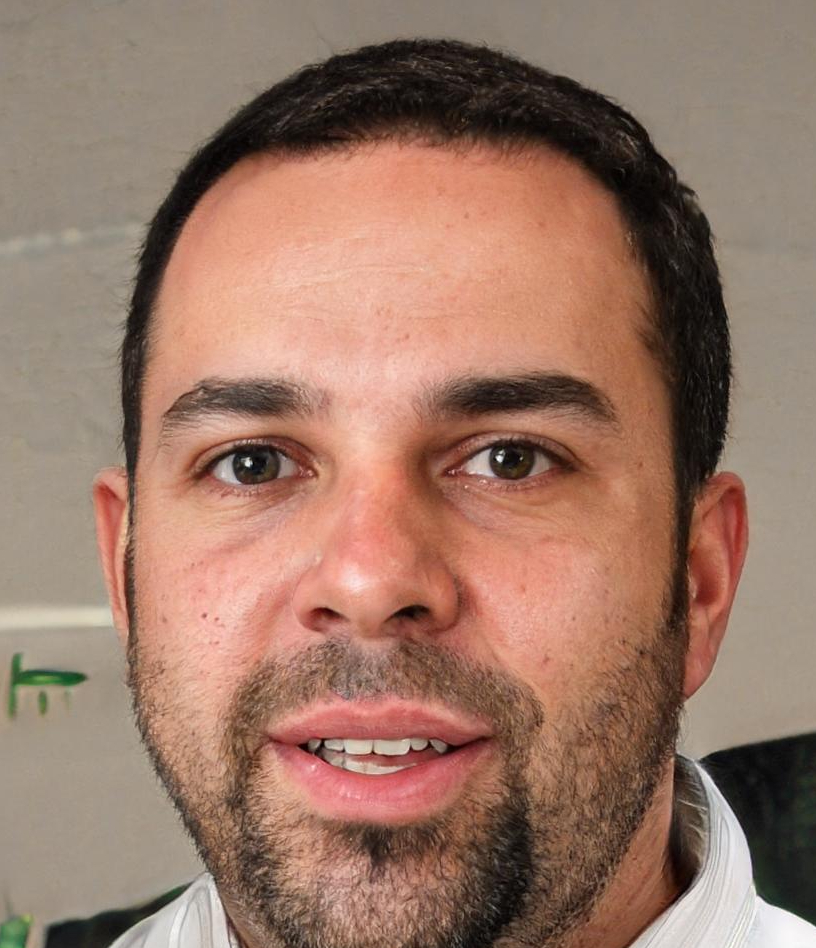
Roman Stoica’s EPT Monte Carlo Win: Speed, Aggression & ICM
Roman Stoica claimed his first EPT Main Event title at Monte Carlo in a final table that wrapped in just four hours, showcasing aggressive play and calculated risk-taking that left opponents with no breathing room. The €825,000 victory marked the culmination of a breakout year for the rising star, while also serving as the emotional farewell broadcast for beloved commentator Joe Stapleton after 17 years with PokerStars.
What Happened
The €5,300 EPT Monte Carlo Main Event attracted 1,011 entries, generating a prize pool of €4,903,350. When the final table convened, Stoica sat in the middle of the pack but quickly seized control through aggressive accumulation and well-timed confrontations.
The Romanian pro’s path to victory included eliminating multiple opponents in partnership with Bernhard Binder during the crucial final five. Jose Malpelli departed in fifth place, followed by Samuel Ju in fourth and David Djian in third, setting up a heads-up match that Stoica dominated from the opening hand.
Binder, an experienced pro with nearly $12 million in career earnings, entered heads-up play at a significant chip disadvantage and couldn’t mount a comeback. Within a handful of hands, Stoica had collected every chip on the table, securing the €825,000 first prize and adding another major title to his rapidly expanding resume.
The victory follows Stoica’s Mystery Bounty win at EPT Barcelona and deep runs at Prague and Malta, establishing him as one of the tour’s most consistent performers. His aggressive style and willingness to apply pressure at critical moments have become his calling card on the European circuit.

The Poker Strategy Breakdown
Stoica’s performance at the Monte Carlo final table provides a masterclass in tournament acceleration. Starting from a middle-stack position, he recognized the need to accumulate chips quickly rather than wait for premium situations. This approach required precise hand selection and an acute awareness of opponent tendencies.
The key strategic element in Stoica’s victory was his willingness to engage in flip situations when the math favored accumulation. Tournament poker at the highest levels often comes down to who can win the critical coin flips at the right moments. By putting himself in these spots repeatedly and converting them, Stoica built the stack necessary to dominate the late stages.
His partnership with Binder to eliminate three consecutive players demonstrates sophisticated final table play. When two large stacks work in tandem—even unintentionally—they create immense pressure on medium and short stacks. Neither player needs to make explicit deals or soft-play; simply by being aggressive in the same orbits, they force opponents into desperate situations.
This dynamic is particularly effective in the five-to-three player range, where ICM pressure peaks for players trying to ladder up to the massive pay jumps. Stoica understood that medium stacks would be constrained by ICM considerations, allowing him to apply pressure with a wider range than standard equilibrium strategies might suggest.
The rapid conclusion of heads-up play reveals another crucial skill: recognizing when you have a decisive advantage and refusing to let opponents back into the match. Many players become overly cautious with big leads, allowing short stacks to double up and regain momentum. Stoica maintained aggression, forcing Binder to make difficult decisions for his tournament life without the chip depth to maneuver.
Reading The Field & Table Dynamics
The four-hour final table duration tells us something important about the overall dynamic: players were willing to get chips in the middle. This wasn’t a ladder-climbing, min-cash mentality situation. The presence of two aggressive big stacks in Stoica and Binder created an environment where action was inevitable.
For the shorter stacks at the table, this presented a dilemma. ICM considerations suggested caution, but the aggressive play from the chip leaders meant that waiting for premium hands could result in being blinded down to irrelevance. This tension between ICM pressure and the need to accumulate creates the most challenging spots in tournament poker.
Stoica’s ability to read when opponents were in squeeze situations allowed him to exploit their constraints. When a player is clearly trying to survive to the next pay jump, their range becomes predictable. They’ll fold too often, making aggressive plays profitable even with marginal holdings.
The partnership effect between Stoica and Binder, whether intentional or emergent, demonstrates how final table dynamics can shift rapidly. When two players are both applying pressure, the remaining players face attacks from multiple directions. This is exponentially more difficult to navigate than facing a single aggressor, as you can’t simply wait for position on the aggressive player.
Heads-up play dynamics shifted entirely once Stoica held the chip lead. With a significant advantage, he could profitably open nearly any two cards, forcing Binder to either fight back with marginal holdings or slowly surrender equity. The mathematics of heads-up play favor the chip leader dramatically, and Stoica exploited this structural advantage efficiently.
How To Apply This To Your Game
The most important lesson from Stoica’s victory is the value of controlled aggression during the middle stages of a final table. Too many players become passive when they reach the final table, hoping to ladder up through survival. This strategy leaves money on the table and reduces your chances of winning outright.
Instead, identify spots where you can apply pressure to medium stacks who are clearly playing for pay jumps. These players will often fold hands they should defend with, giving you profitable stealing opportunities. The key is recognizing when opponents are in ICM jail and exploiting their constraints without overextending.
When you find yourself at a final table with another aggressive player, pay attention to how your combined pressure affects the table dynamic. You don’t need to collude or soft-play—simply being aggressive in your own right while another player does the same creates opportunities. Medium stacks will tighten up, giving you both more fold equity.
Practice recognizing flip situations where the expected value of accumulation outweighs the risk of elimination. This requires understanding your specific tournament situation, including stack sizes, payout structures, and opponent tendencies. Sometimes calling off with ace-king or pocket jacks is correct even when you know you’re in a coin flip.
In heads-up situations where you hold a chip advantage, maintain pressure. Don’t allow your opponent to see cheap flops or steal their way back into contention. Every hand you win without showdown increases your edge. Force them to make difficult decisions for significant portions of their stack repeatedly.
Study the pay jump structure before final tables begin. Understanding exactly how much each elimination is worth helps you make better decisions about when to take risks and when to exercise caution. The difference between third and second place often justifies tighter play than the difference between fifth and fourth.
Key Takeaways
- Controlled aggression from middle-stack positions can rapidly build a commanding chip lead at final tables
- Winning critical flip situations at the right moments is essential for tournament success at the highest levels
- When two aggressive players are active at the same table, their combined pressure creates exponential difficulties for medium stacks trying to ladder
- Heads-up chip leads should be pressed aggressively rather than defended passively to prevent opponents from mounting comebacks
- Understanding ICM pressure points allows you to exploit opponents who are playing too tight for pay jumps
- The four-hour final table duration demonstrates the value of action-oriented play over excessive caution in high-stakes tournaments
Frequently Asked Questions
What is ICM and why does it matter at final tables?
ICM (Independent Chip Model) calculates the monetary value of your chips based on the tournament payout structure and remaining stack sizes. At final tables, ICM pressure is highest because pay jumps are largest. This means chips you lose are worth more than chips you win in many situations, leading to more conservative optimal strategies. However, understanding ICM also reveals when opponents are playing too tight, creating exploitation opportunities.
How should you adjust your strategy when two players are dominating a final table?
As a short or medium stack facing two aggressive chip leaders, you need to pick your spots carefully but avoid becoming completely passive. Look for opportunities to double through one of the big stacks when you have strong holdings, as waiting will only erode your stack. If you’re one of the big stacks, be aware that your combined pressure creates fold equity but also be prepared for opponents to eventually take stands with wider ranges out of desperation.
What makes flip situations profitable in tournament poker?
Flip situations (roughly 50-50 propositions like AK versus pocket jacks) become profitable when the expected value of accumulating chips exceeds the risk of elimination. This typically occurs when you’re in the middle of the pack at a final table, where doubling up gives you a realistic chance at first place rather than just laddering up one or two spots. The key is recognizing when accumulation equity outweighs survival equity based on your specific tournament situation.
Final Thoughts
Roman Stoica’s EPT Monte Carlo victory provides a blueprint for modern tournament success: calculated aggression, willingness to engage in key confrontations, and relentless pressure once you establish a chip lead. The four-hour final table wasn’t the result of reckless play but rather sophisticated strategy executed at the highest level.
For aspiring tournament players, the lesson is clear: survival alone won’t win you major titles. You need to identify the critical moments when accumulation is worth the risk, understand how your actions affect table dynamics, and maintain pressure when you hold advantages. Stoica’s breakout year on the EPT demonstrates what happens when talent meets optimal strategic execution.
As the European Poker Tour continues its season, we’ll see whether other players can match Stoica’s aggressive yet controlled approach. Meanwhile, students of the game have a perfect case study in how to navigate final tables efficiently and close out tournaments decisively. The best players don’t just wait for cards—they create their own opportunities through superior understanding of tournament dynamics.
Ready to Sharpen Your Poker Game?
Master your poker game with expert hand analysis