Josh Arieh’s Tournament Selection Strategy: Playing for Fun
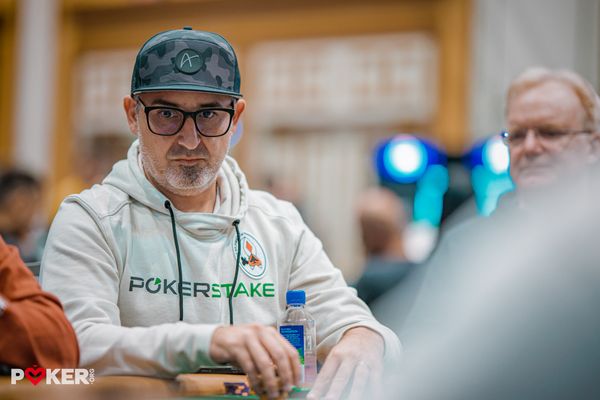
Seven-time WSOP bracelet winner Josh Arieh is changing his approach to poker’s biggest summer series. Instead of grinding every high-stakes event, the 2004 Main Event third-place finisher is targeting smaller buy-in tournaments where recreational players and genuine enjoyment take center stage.
What Happened
Josh Arieh, one of poker’s most accomplished and colorful personalities, recently opened up about his preparations and expectations for the upcoming World Series of Poker. With seven gold bracelets already to his name and a $2.5 million score from his 2004 Main Event deep run, Arieh has little left to prove in tournament poker.
The veteran pro revealed he’s shifting his focus away from the high-stakes grind that defines most professionals’ WSOP schedules. Rather than battling through fields packed with elite players in $5,000+ events, Arieh plans to spend more time in $600 and $1,500 no-limit hold’em tournaments—events that attract recreational players who’ve been circling dates on their calendars all year long.
Arieh’s preparation routine centers less on technical study and more on lifestyle adjustments. He’s adjusting his sleep schedule to align with tournament hours, waking around 10-11am instead of his usual 7am, and going to bed at 2-3am rather than 10pm. While he’ll watch some poker content on platforms like PokerGo to get his mind in the game, he’s not diving deep into solver work or intensive study sessions.
The poker veteran also expressed enthusiasm for innovative tournament structures, particularly the $550 Mini Mystery Millions event featuring a potential $1 million bounty. He noted how far tournament poker has evolved—players can now compete for seven-figure prizes without the traditional $10,000 entry fee barrier that once existed.
The Poker Strategy Breakdown
Arieh’s approach represents a fascinating strategic pivot that many accomplished players eventually make. His decision to avoid the high-stakes professional battlegrounds isn’t about lacking skill or competitive fire—it’s about maximizing enjoyment while maintaining profitability through smart game selection.
In $5,000+ buy-in events, every player at the table is squeezing maximum expected value from each decision. These fields feature professionals who study extensively, understand modern solver-based strategies, and execute complex plays with precision. The edges are razor-thin, variance runs high, and the mental energy required to compete at that level is exhausting over a two-month series.
Contrast this with $600-$1,500 events where the player pool is dramatically different. These tournaments attract recreational players, weekend warriors, and once-a-year WSOP participants who play fundamentally sound poker but lack the theoretical depth of full-time professionals. The strategic adjustments required are significant.
Against recreational fields, exploitative play becomes far more valuable than game theory optimal strategies. Observant professionals can identify patterns quickly: players who fold too much to aggression, call down too light with marginal hands, or telegraph their hand strength through betting patterns and physical tells. These exploitable tendencies create substantially larger edges than exist in professional fields.
Arieh’s emphasis on conversation and engagement at the table serves a dual purpose. First, it enhances his enjoyment—hearing stories from players of all backgrounds and making genuine connections. Second, it provides valuable information. Players who are comfortable and chatty often reveal information about their thought processes, risk tolerance, and poker experience that can inform strategic adjustments.
The variance profile in smaller buy-in events also differs significantly. While the fields are larger—sometimes exceeding 5,000 entries—the softer competition means skilled players can accumulate chips more consistently. Building a stack doesn’t require winning crucial flips against other professionals who are making optimal decisions; instead, it often involves capitalizing on clear mistakes from less experienced opponents.
Reading The Field & Table Dynamics
Understanding table dynamics becomes even more critical in mixed-skill tournaments. In professional fields, you can make baseline assumptions about opponent ranges and strategies. In recreational-heavy events, each player requires individual assessment and adjustment.
Arieh’s willingness to engage with tablemates without headphones gives him a significant informational advantage. While many younger professionals isolate themselves with music and hoodies, Arieh is gathering data. He’s learning which players are on their first WSOP trip, who’s been studying online, who’s playing scared money, and who’s there to gamble and have fun.
This information directly impacts strategic decisions. Against a nervous first-timer protecting a stack, you can apply more pressure with wider ranges. Against a loose recreational player who came to gamble, you tighten value-betting ranges and avoid ambitious bluffs. Against the weekend regular who’s studied but lacks experience, you can incorporate more advanced plays that exploit their rigid strategy.
Table image management also plays differently in recreational fields. Arieh’s outgoing, friendly personality likely causes opponents to underestimate his technical skill. Players enjoying conversation with a seemingly casual pro may not give him credit for sophisticated plays, allowing him to execute bluffs and thin value bets that would face more resistance against professionals who respect his seven bracelets.
ICM considerations shift in these tournaments as well. Recreational players often misunderstand tournament equity, making mistakes near pay jumps or at final tables. They might fold too much approaching the money bubble, or conversely, call off too light because they’ve “come this far.” Recognizing these patterns allows professionals to adjust their ranges and aggression levels for maximum exploitation.
The larger field sizes in smaller buy-in events also mean longer days and more play at different stack depths. Arieh’s experience navigating various tournament stages—from starting stack play through short-stack survival to deep-stack final table poker—gives him edges that compound over the course of a multi-day event.
How To Apply This To Your Game
Arieh’s approach offers several actionable lessons for players at all levels. First, honest game selection matters more than ego. Playing in the toughest games doesn’t make you a better player if you’re miserable and the edges are minimal. Identify where you have the largest skill advantage and where you’ll enjoy the experience most—often these align.
Second, preparation doesn’t always mean intensive technical study. Arieh watches some poker content to get his mind engaged, but he’s not grinding solvers or memorizing ranges. For experienced players, mental freshness and proper life management often contribute more to performance than last-minute cramming. Make sure your sleep schedule aligns with tournament hours, your personal life is organized, and you’re mentally ready for the grind.
Third, table presence and engagement can be strategic weapons. While headphones and hoodies have their place, being observant and conversational provides information that helps you make better decisions. You don’t need to be as outgoing as Arieh, but paying attention to your opponents as people—not just betting patterns—reveals exploitable tendencies.
Fourth, adjust your strategy based on field composition. The approach that works in tough online games or high-stakes live events needs modification for recreational-heavy fields. Increase your exploitation, simplify your bluffing strategies, and focus on value-betting against players who call too much. Don’t get fancy when straightforward poker prints money.
Finally, remember why you play poker. Arieh has won seven bracelets and millions of dollars, yet he’s most excited about having fun in $600 tournaments with recreational players. If you’re not enjoying your poker experience, reassess your goals and game selection. Sustainable poker careers—and hobbies—require genuine enjoyment, not just profit.
Key Takeaways
- Smart game selection prioritizes both profitability and enjoyment—playing in fields where you have the largest edge while actually having fun creates sustainable long-term success
- Smaller buy-in tournaments with recreational-heavy fields often offer better edges than high-stakes professional battlegrounds where everyone is maximizing EV
- Preparation for major tournament series should emphasize lifestyle management—proper sleep schedules, organized personal life, and mental freshness—as much as technical study
- Table engagement without headphones provides valuable information about opponent experience levels, risk tolerance, and thought processes that inform strategic adjustments
- Exploitative play becomes significantly more valuable than GTO strategies in mixed-skill fields where opponents make clear, identifiable mistakes
- Modern tournament structures offering seven-figure prizes at $500-$1,500 buy-ins create unprecedented opportunities for recreational players while maintaining strong value for professionals
Frequently Asked Questions
Should experienced players focus on smaller buy-in tournaments?
It depends on your goals and bankroll. Smaller buy-in events typically offer softer competition and larger edges, but lower absolute payouts. If you have a limited bankroll, prefer more enjoyable poker environments, or want to maximize your win rate rather than chase massive scores, smaller buy-ins make excellent sense. However, if you’re properly bankrolled and seeking the biggest prizes, high-stakes events remain necessary despite tougher competition.
How much should I study before a major tournament series?
Study requirements vary by experience level. If you’re relatively new to tournament poker, focused study on fundamental concepts, position play, and stack-size adjustments provides significant value. For experienced players like Arieh, maintaining mental freshness and proper life management often matters more than intensive last-minute study. Watch some poker content to engage your mind, review key concepts, but avoid burnout from over-studying before a long grind.
Is talking at the table a strategic advantage or distraction?
For observant players, conversation provides strategic advantages. You learn about opponent experience levels, gather information about their approach to the game, and often pick up physical or verbal tells. However, this only works if you’re disciplined enough to stay focused on the game while engaging socially. If conversation causes you to miss action or make mistakes, headphones might be better. The key is honest self-assessment about whether you can multitask effectively.
Final Thoughts
Josh Arieh’s perspective on tournament poker offers a refreshing counterpoint to the grind-culture mentality that dominates modern poker. After achieving virtually everything possible in the game—seven WSOP bracelets, millions in earnings, and legendary status—he’s choosing enjoyment over ego. Rather than forcing himself through endless high-stakes professional battles, he’s targeting events where he’ll have fun, meet interesting people, and still maintain substantial edges.
This approach holds valuable lessons for players at every level. Poker should be enjoyable, not just profitable. Smart game selection means finding spots where your edge is largest and your experience is most positive. Sometimes that’s a $600 tournament with 5,000 recreational players, not a $25,000 high roller with the world’s best. There’s no shame in choosing games you enjoy—in fact, it’s probably the smartest long-term decision you can make.
As the WSOP continues evolving with innovative structures like million-dollar bounties in $550 events, opportunities for both recreational and professional players have never been better. Whether you’re planning your first series trip or your fiftieth, take a page from Arieh’s playbook: prepare properly, choose your spots wisely, engage with the experience, and remember to have some fun along the way.
Ready to Sharpen Your Poker Game?
Master your poker game with expert hand analysis