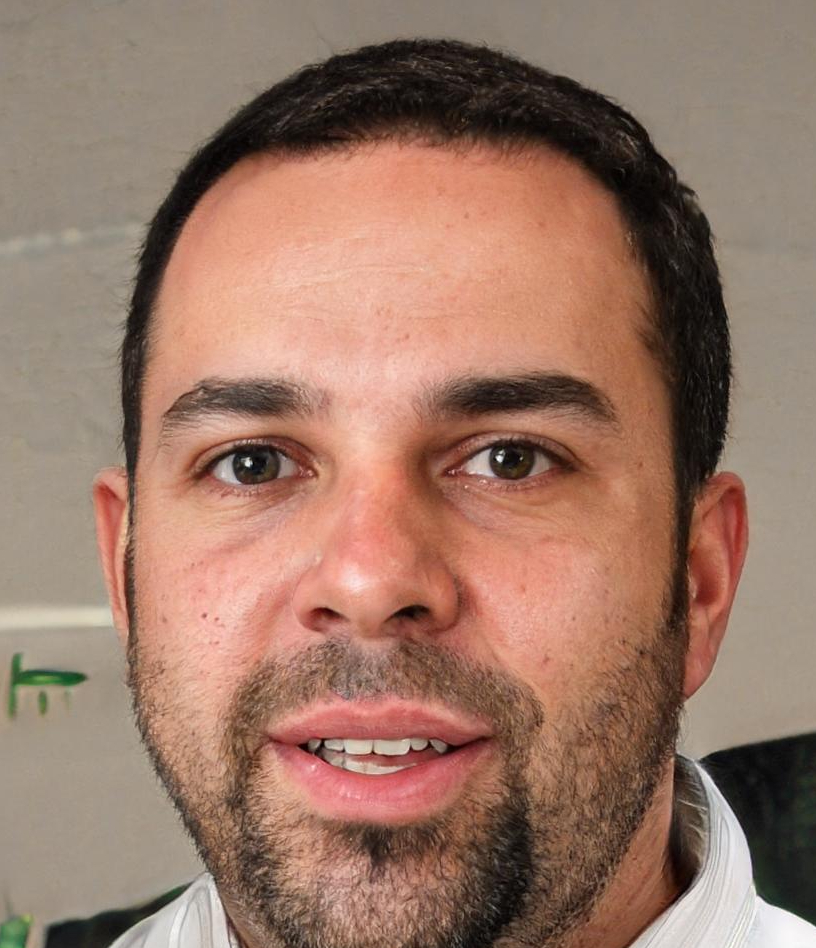
How Hamid Izadi’s Aggressive Final Table Play Won Him WSOPC Ring #10
After 14 final table appearances at Harrah’s Cherokee without a Circuit ring, Hamid Izadi finally conquered his home casino by dominating the WSOPC Cherokee Main Event. The nine-time Circuit ring winner outlasted 1,489 entries to claim $332,405 and his tenth career ring, employing a pressure-heavy strategy that showcased elite tournament poker execution.
What Happened
The $1,700 WSOPC Cherokee Main Event generated a prize pool exceeding $2.2 million, with 161 players reaching the money. Izadi entered Day 3 nursing a short stack after enduring brutal coolers on Day 2—losing ace-jack to ace-three, pocket tens to king-ten, and queens to fours left him with just 9.5 big blinds at one point.
But the veteran grinder mounted a comeback. After eliminating Sanjay Gehi on the bubble, Izadi arrived at the final table third in chips. He immediately seized control by winning a crucial flip against John Gallaher in the first hand, catapulting him into the chip lead—a position he’d maintain for virtually the entire final table.
Izadi’s most pivotal moment came against Nathan Dunlop when he made a gutsy hero call with just pocket fours, snapping off Dunlop’s ace-high bluff across three streets. That hand extended his chip lead significantly and set the tone for his domination. He personally eliminated the next three players—Jack Nathan, Dunlop, and Thomas Beckstead—to command over half the chips with four remaining.

Heads-up play against Louis George started rocky for Izadi. George won the early big pots and briefly captured the chip lead in a two-pair cooler, marking the first time Izadi had trailed since nine-handed play. But the lead proved fleeting as Izadi regained control and closed out his third WSOPC Main Event title.
The victory was particularly meaningful for Izadi, who’d been chasing a Cherokee ring for over a decade. “This was very important to me,” he said afterward. “It’s my home casino, my backyard. It’s the largest stop on the Circuit. I’ve won rings everywhere else, but not in Cherokee. I’ve had at least nine runner-ups and a bunch of final tables, but I’ve never closed it.”
The win came just weeks after Izadi took down the MSPT Milwaukee Main Event for $219,654, giving him over half a million in tournament earnings within a month. His career earnings now exceed $3 million.
The Poker Strategy Breakdown
Izadi’s performance offers a masterclass in final table strategy adjustment. He explicitly stated that he “completely changed” his approach once nine-handed play began, shifting from survival mode to aggressive exploitation.
The hero call against Dunlop exemplifies advanced hand reading and pressure absorption. Calling three streets with pocket fours against an opponent’s aggression requires supreme confidence in your read. Izadi recognized that Dunlop’s betting pattern was inconsistent with a value hand and trusted his instincts despite holding what’s essentially a bluff-catcher. This type of call separates elite players from good ones—it’s not just about pot odds or hand strength, but about constructing your opponent’s range and identifying when their story doesn’t add up.
Izadi’s chip lead strategy focused on targeting middle stacks rather than engaging in high-variance battles with other big stacks. This is textbook ICM pressure application. Middle stacks at final tables face the most difficult decisions—they’re trying to ladder up pay jumps while avoiding confrontation with the chip leader. By relentlessly attacking these players, Izadi accumulated chips without showdown, preserving his stack while forcing opponents into marginal spots.
“I try to pick up as many pots as I can without showdown,” Izadi explained. “I think that’s my specialty at final tables.” This approach maximizes fold equity while minimizing variance. When you’re winning pots preflop and on the flop, you’re not giving opponents opportunities to outdraw you or make hero calls of their own.
The strategy shift from Day 2 to Day 3 also demonstrates crucial tournament adaptability. After suffering multiple coolers and finding himself short-stacked, Izadi didn’t panic or deviate from fundamentally sound play. He waited for spots, doubled up when necessary, and then transitioned to aggression once he had the ammunition to apply pressure. This patience-then-aggression sequence is essential for tournament success.
Reading The Field & Table Dynamics
Final table dynamics shifted dramatically after Izadi’s first-hand knockout of Gallaher. Winning that flip didn’t just give him chips—it established psychological dominance. Other players now had to contend with an aggressive chip leader who’d already demonstrated willingness to put opponents to the test.
The Dunlop hero call reinforced this dynamic. When you make a high-level call like that and show it down, it sends a message to the entire table: you can’t run over this player with aggression. This creates a chilling effect on opponents’ bluffing frequencies, which paradoxically allows the chip leader to bluff more effectively themselves since opponents assume they’re value-betting when they apply pressure.
George’s brief chip lead in heads-up play reveals an important tournament reality: variance doesn’t disappear just because you’ve played well. Even with dominant play throughout the final table, Izadi faced a legitimate challenge when George won the early big pots. Lesser players might have tightened up or played scared after losing the lead. Izadi stuck to his aggressive approach and regained control.
The field size of 1,489 entries made this one of the largest Circuit stops, adding prestige to the victory. Navigating a field this large requires consistent decision-making over multiple days and the ability to adjust to different table dynamics as the tournament progresses. Izadi’s experience—this was his tenth Circuit ring—clearly played a role in his ability to manage these transitions.
ICM considerations heavily influenced the final table action. With significant pay jumps between positions, middle stacks were incentivized to play conservatively, which Izadi exploited mercilessly. The short stacks were in push-or-fold mode, while the other big stacks (Dunlop and George) had to balance chip accumulation with ICM risk. Izadi’s chip lead allowed him to be the primary aggressor without facing the same ICM pressure as his opponents.
How To Apply This To Your Game
The most actionable takeaway from Izadi’s performance is the importance of strategic flexibility. Don’t marry yourself to a single approach throughout a tournament. When you’re short-stacked, focus on survival and finding double-up spots. When you accumulate chips, transition to pressure-based poker that forces opponents into difficult decisions.
Practice making hero calls in lower-stakes environments. The ability to call down light when your opponent’s betting story doesn’t make sense is a skill that requires development. Start by identifying betting patterns that seem inconsistent with value hands—rapid-fire betting on dry boards, unusual sizing, or aggression from players who’ve been passive. Don’t hero call recklessly, but don’t be afraid to trust your reads when the math and logic support it.
When you have the chip lead at a final table, identify the middle stacks and attack them relentlessly. These players are trying to survive to bigger payouts and will fold more frequently than short stacks (who have nothing to lose) or other big stacks (who can fight back). Open wider from late position, three-bet their opens, and continuation bet aggressively. Force them to make the hard decisions.
Develop mental resilience for handling coolers and bad beats. Izadi lost three significant hands on Day 2 but didn’t let it affect his decision-making. Tilt is a tournament killer. When you suffer a bad beat, take a walk, reset mentally, and return to fundamentally sound play. One or two bad hands don’t determine tournament outcomes—your response to adversity does.
Study your opponents’ tendencies before making big calls. Izadi’s hero call against Dunlop wasn’t a random guess—it was based on hand reading and opponent profiling. Pay attention to how your opponents play their strong hands versus their bluffs. Do they bet quickly or take time? Do they size their bets consistently or vary based on hand strength? These patterns provide crucial information for making high-level decisions.
Finally, recognize that winning pots without showdown is often more valuable than winning pots at showdown. Every time you take down a pot with aggression, you’re adding chips without risking getting outdrawn or facing a cooler. This is especially true at final tables where ICM pressure makes opponents more likely to fold marginal hands.
Key Takeaways
- Adjust your strategy based on stack size and tournament stage: Izadi played tight when short-stacked, then shifted to aggressive pressure poker once he accumulated chips at the final table.
- Target middle stacks as the chip leader: These players face maximum ICM pressure and will fold more frequently, allowing you to accumulate chips without showdown.
- Trust your reads on hero calls: When opponent betting patterns don’t match their perceived range, don’t be afraid to call down light with bluff-catchers if the math supports it.
- Mental resilience matters as much as technical skill: Izadi recovered from multiple coolers on Day 2 to dominate Day 3, demonstrating the importance of emotional control.
- Establish psychological dominance early at final tables: Winning key pots early sets the tone and makes opponents less likely to challenge your aggression later.
- Experience and patience pay off: After 14 final table appearances at Cherokee without a ring, Izadi’s persistence and continued refinement of his game finally delivered the breakthrough victory.
Frequently Asked Questions
What makes Hamid Izadi’s WSOPC Cherokee victory significant?
This was Izadi’s first Circuit ring at his home casino after 14 previous final table appearances at Cherokee, including at least nine runner-up finishes. The win gave him his tenth career WSOPC ring and third Main Event title, cementing his status as one of the Circuit’s most accomplished players. The victory was particularly meaningful because Cherokee is the largest stop on the Circuit and Izadi had won rings at virtually every other venue except his home casino.
What was the key hand in Izadi’s final table run?
The pivotal moment came when Izadi made a hero call against Nathan Dunlop with just pocket fours, calling three streets against Dunlop’s ace-high bluff. This hand significantly extended Izadi’s chip lead and demonstrated his elite hand-reading ability. It also established psychological dominance, showing the table that he couldn’t be pushed around with aggression. From that point forward, Izadi eliminated the next three players and never relinquished control.
How should you adjust your final table strategy as chip leader?
As chip leader, focus on applying pressure to middle stacks who face maximum ICM pressure and are trying to ladder up pay jumps. Increase your opening ranges from late position, three-bet more frequently, and continuation bet aggressively. Try to win pots without showdown to minimize variance while accumulating chips. Avoid unnecessary confrontations with other big stacks unless you have a strong hand or clear edge. The goal is to leverage your chip advantage to force opponents into difficult decisions where folding costs them less than calling or raising.
Final Thoughts
Hamid Izadi’s WSOPC Cherokee victory demonstrates that elite tournament poker requires more than just technical skill—it demands strategic flexibility, mental toughness, and the ability to apply maximum pressure at the right moments. His journey from short stack on Day 2 to dominant chip leader at the final table showcases the importance of patience, resilience, and tactical adjustment based on tournament dynamics.
The hero call against Dunlop will likely be studied by poker players for years as an example of advanced hand reading and pressure absorption. But equally impressive was Izadi’s systematic dismantling of the middle stacks through relentless aggression and his ability to regain control during heads-up play after briefly losing the chip lead. These elements combined to produce a textbook final table performance that any serious tournament player can learn from.
Whether you’re grinding local tournaments or pursuing Circuit rings yourself, the principles Izadi employed—strategic flexibility, targeted aggression, mental resilience, and trust in your reads—are universally applicable. Study this performance, implement these concepts in your own game, and you’ll find yourself making deeper runs and closing out more tournaments.
Ready to Sharpen Your Poker Game?
Master your poker game with expert hand analysis