Triton Montenegro Final 12: Strategy Lessons From $6.4M Bubble
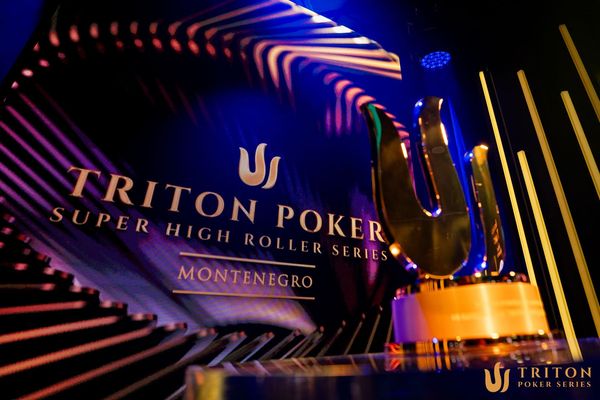
The $200K Triton Invitational in Montenegro has etched itself into poker history with the largest field ever assembled for this exclusive format, and now just twelve players remain with $6.4 million awaiting the champion. What started as a marathon Day 2 session ended prematurely after brutal bubble dynamics claimed some of the game’s biggest names, setting up a final day showdown packed with elite talent and strategic intrigue.
What Happened
The Montenegro Invitational shattered records before cards even hit the felt on Day 2, with seven late re-entries pushing the field to unprecedented heights for Triton’s exclusive invitational format. Ninety-two players returned for Day 2 action, and tournament organizers had ambitious plans to play down to a final table. Reality had other ideas.
The session turned into a grueling test of patience and nerve as not one but two separate bubbles stretched play beyond its intended conclusion. Chip leader Ethan ‘Rampage’ Yau, who started the day with commanding momentum, saw his tournament unravel as he crashed out in 42nd place—a stark reminder that starting stacks mean nothing when the deck turns cold.
Kristen Foxen’s day embodied the cruel variance inherent in tournament poker. She flopped into disaster against Haralabos Voulgaris when both players made flushes on the river, only Voulgaris held a straight flush. The bad beat didn’t define her tournament though—Foxen extracted revenge by eliminating Voulgaris in 47th before eventually finishing 16th for a $384,000 payday.
The money bubble itself became a war of attrition. Short stacks hunted for survival spots while big stacks applied relentless pressure. In one particularly brutal cooler just before the money, Paul Phua and Sinan Unlu got all the chips in with identical ace-king holdings, and the runout delivered heartbreak to Unlu while Phua’s tournament life continued.
When play finally halted with twelve players remaining, Maher Nouira sat atop the counts with 9.9 million chips (66 big blinds). But his path to the title runs through a minefield of world-class opposition including Eelis Parssinen, Adrian Mateos, Isaac Haxton, Linus Loeliger, and Benjamin Heath—a who’s who of high stakes mastery.
The Poker Strategy Breakdown
The extended bubble periods in this event provide a masterclass in tournament strategy at the highest level. When the money bubble approached, we witnessed a textbook example of how stack sizes dictate strategy in ways that transcend simple hand strength considerations.
The Phua versus Unlu ace-king confrontation illustrates a critical concept that separates elite tournament players from the pack: position and aggression matter more than hand strength on the bubble. When two premium hands collide in this spot, it’s rarely a mistake from either player—it’s the inevitable result of correct pressure application meeting legitimate defense. The player who initiated the action was likely exploiting fold equity against a range that should be tight, while the caller correctly identified a hand too strong to fold given pot odds and ICM considerations.
Foxen’s elimination of Voulgaris after her earlier bad beat demonstrates another crucial high-level concept: emotional reset and continued aggression. Lesser players might have tilted after losing a massive pot to a one-outer straight flush. Foxen compartmentalized, recalibrated, and continued making optimal plays—exactly what separates consistent winners from the field.
The chip distribution heading into the final twelve tells its own strategic story. Nouira’s 66 big blind stack gives him flexibility that shorter stacks simply don’t have. He can apply pressure without risking tournament life, open wider ranges from late position, and three-bet bluff in spots where shorter stacks must play more straightforward poker. Meanwhile, players like Alexey Lozuyk (7 BBs) and Ilya Nikiforov (8 BBs) face push-fold scenarios where hand reading becomes secondary to raw equity calculations and payout ladder considerations.
The middle stacks—particularly players like Mateos, Haxton, and Loeliger hovering around 15-16 big blinds—occupy the most strategically complex position. They’re too short to play small-ball poker but too deep for pure push-fold. This zone requires exceptional hand reading, precise range construction, and the courage to commit chips with less-than-premium holdings when the situation demands it.
Reading The Field & Table Dynamics
The final twelve presents a fascinating study in player archetypes and how they interact under extreme ICM pressure. With $6.4 million up top and significant pay jumps between positions, every decision carries massive financial weight—but these players didn’t reach this stage by playing scared.
Haxton and Loeliger represent the modern solver-influenced generation, players who’ve internalized GTO principles but possess the creativity to deviate when population tendencies or specific opponent profiles warrant exploitation. Against this caliber of opposition, expect them to employ mixed strategies—sometimes defending big blinds with marginal hands, sometimes over-folding to preserve tournament equity, all while keeping their ranges balanced enough to avoid exploitation.
Mateos brings a more classical tournament approach refined through years of live high roller success. He excels at accumulating chips through small pots and avoiding marginal spots where variance can derail a deep run. With 16 big blinds, expect Mateos to look for spots to resteal against aggressive openers and to apply pressure to medium stacks who can’t call without premium hands.
Parssinen, sitting third in chips with 43 big blinds, occupies the ideal zone for applying pressure. He can credibly represent any hand, has fold equity against everyone except Nouira and Anatoly Zlotnikov, and can afford to take calculated risks that shorter stacks cannot. Watch for him to attack the 10-15 big blind stacks relentlessly, forcing them into difficult decisions for tournament life.
The shorter stacks face a critical strategic fork: wait for premium hands and hope the deck cooperates, or identify spots where fold equity and position create profitable shove opportunities with wider ranges. Players like Kiat Lee (9 BBs) and those below him can’t afford to wait for aces—they need to find spots where their stack still generates fold equity before blinding down to the point where any two cards become automatic calls.
ICM considerations will dominate every decision. With massive pay jumps ahead, even chip leaders must exercise caution in marginal spots. A failed bluff doesn’t just cost chips—it can cost hundreds of thousands in tournament equity. Conversely, short stacks gain value from every elimination above them, creating situations where folding and hoping others bust becomes more profitable than taking a 60/40 coin flip.
How To Apply This To Your Game
While most players will never compete for $6.4 million, the strategic principles on display in Montenegro translate directly to tournaments at every level. Here’s how to implement these concepts in your game:
Master bubble dynamics before they arrive. The extended money bubble in this event didn’t catch elite players off guard—they’d prepared for it mentally and strategically. Before you reach the bubble in any tournament, identify your stack size category (big, medium, or short) and adjust your strategy accordingly. Big stacks should increase aggression against medium stacks who can’t call without premium hands. Short stacks should look for resteal opportunities against frequent openers. Medium stacks face the toughest decisions and should generally tighten up unless they identify specific opponents who are over-folding.
Develop emotional resilience for bad beats. Foxen’s recovery from the straight flush cooler exemplifies championship mentality. In your sessions, practice the “next hand” mindset—acknowledge the bad beat, take a breath if needed, then immediately refocus on optimal play. The cards don’t remember the previous hand, and neither should your decision-making process.
Understand stack-to-pot ratio implications. The varying stack sizes in the final twelve create completely different strategic requirements for each player. In your tournaments, constantly calculate your effective big blinds and adjust your ranges accordingly. With 30+ BBs, you can play speculative hands and small-ball poker. Between 15-25 BBs, you’re in the danger zone where you can still play poker but must be more selective. Below 10 BBs, push-fold considerations dominate and hand reading becomes less important than raw equity calculations.
Study ICM before it costs you money. The Independent Chip Model dramatically changes correct strategy in tournaments compared to cash games. A chip you lose is worth more than a chip you win, especially near bubbles and final tables. Use ICM calculators to study common scenarios—what hands can you call a shove with on the bubble? When should you fold pocket jacks to preserve tournament equity? These aren’t theoretical exercises; they’re the difference between optimal and costly play.
Exploit stack size differentials. When you have a big stack, use it as a weapon against medium stacks who are trying to ladder up. When you’re short, identify other short stacks and avoid confrontations with them—let them bust each other while you look for spots against bigger stacks who can actually afford to fold. When you’re in the middle, survival often trumps chip accumulation in high ICM spots.
Key Takeaways
- The $200K Triton Montenegro Invitational set a record for the largest field in invitational format history, creating a prize pool with $6.4 million to the winner
- Extended bubble periods separate elite players from the field—emotional control and strategic adjustment matter more than hand strength in these spots
- Stack sizes dictate strategy more than cards do in late-stage tournaments; 66 big blinds plays completely differently than 7 big blinds regardless of your hole cards
- ICM pressure creates situations where folding strong hands becomes correct when tournament equity preservation outweighs chip accumulation
- The final twelve features a murderer’s row of talent including Parssinen, Mateos, Haxton, Loeliger, and Heath—proof that surviving deep in elite fields requires both skill and run-good
- Bad beats are inevitable in tournament poker; champions like Foxen demonstrate that recovery and refocus separate winners from the pack
Frequently Asked Questions
What makes Triton Invitational events different from regular high roller tournaments?
Triton Invitationals feature a unique format where half the field consists of invited recreational players (typically wealthy businesspeople and poker enthusiasts) while the other half comprises professional players. This creates a distinctive dynamic compared to pure high roller events where everyone is a pro. The $200K buy-in and exclusive nature also limit field sizes to the ultra-elite, making these events among the most prestigious in poker.
How should strategy change when playing with 15 big blinds versus 50 big blinds in a tournament?
With 50 big blinds, you can play a full range of poker including speculative hands, three-bet bluffing, and multi-street maneuvering. At 15 big blinds, you’re in the “danger zone” where you must be more selective with starting hands, focus on hands that play well all-in, and look for resteal opportunities. Your post-flop play becomes more straightforward since you’re often pot-committed after betting. The key difference is flexibility—deep stacks allow creativity while short stacks require more disciplined, math-based decisions.
What is ICM and why does it matter in tournament poker?
The Independent Chip Model (ICM) calculates the real monetary value of your tournament chips based on payout structure and remaining stacks. Unlike cash games where one chip always equals one dollar, tournament chips change value based on context. Near the money bubble or final table, ICM often dictates folding hands that would be clear calls in a cash game because preserving tournament equity (your share of the remaining prize pool) outweighs the immediate pot odds. Understanding ICM is crucial for making mathematically optimal decisions in high-pressure tournament situations.
Final Thoughts
The Triton Montenegro Invitational’s final twelve represents everything compelling about modern tournament poker—massive stakes, world-class talent, and strategic complexity that rewards both technical mastery and psychological fortitude. While Maher Nouira holds the chip lead, the presence of proven champions like Mateos, Haxton, and Parssinen ensures that nothing is decided until the final card falls.
What makes this final table particularly instructive for students of the game is the stack distribution. We’ll see every phase of tournament poker compressed into a single session: short-stack push-fold dynamics, medium-stack survival mode, and big-stack bullying. The strategic adjustments required as players navigate these zones—and as stacks shift throughout play—provide a masterclass in adaptive tournament strategy.
Whether you’re grinding online MTTs or pursuing live tournament glory, the principles on display in Montenegro apply to your game. Master bubble dynamics, understand ICM, leverage your stack size, and maintain emotional control through variance. These aren’t just high-level concepts—they’re the fundamental skills that separate consistent winners from the field at every stake level. The $6.4 million prize might be out of reach, but the strategic lessons are available to anyone willing to study them.
Ready to Sharpen Your Poker Game?
Master your poker game with expert hand analysis