Kevin Martin Launches Poker Wars: Self-Funded Live Show
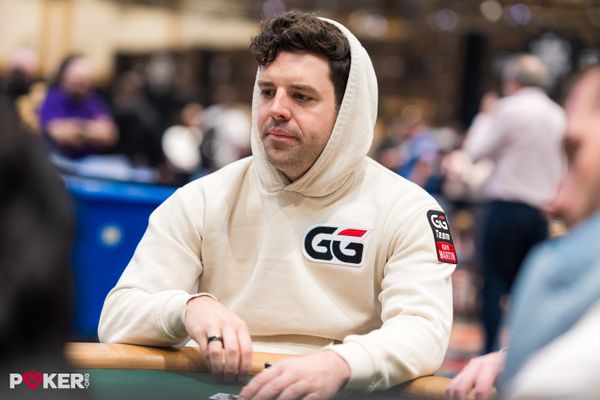
Kevin Martin is betting big on himself, launching Poker Wars—a self-funded livestream competition that merges poker with reality TV’s social manipulation elements. The Big Brother Canada alum is putting up $50,000 of his own cash for a four-day event that kicks off May 21st, bringing together six competitors in a format that could redefine poker entertainment.
What Happened
The Canadian poker pro and reality television veteran is stepping into the producer’s chair with Poker Wars, a livestream event running May 21-24 on his YouTube channel. Broadcasting daily at 1pm PT, the show represents Martin’s ambitious attempt to crack the code on poker-meets-reality-TV content—a concept that’s been pitched countless times but rarely executed successfully.
Martin isn’t just hosting; he’s financing the entire operation and providing the $50,000 prize pool from his own bankroll. The competition features six players battling both at the tables and through social strategy elements borrowed from shows like Survivor and Big Brother. Confirmed contestants include poker players Abby Merk, Jon Pardy, Haven Taylor, and Hesham ‘Kiero Loves You’ Elkhouly, alongside non-poker wild cards Jake Straus and Ali Kebritchi.
The format incorporates special powers, strategic twists, and an interactive component that bridges live poker with online tournament play. Martin will provide live commentary throughout, leveraging his dual expertise in competitive poker and reality television to guide viewers through the action.
The Poker Strategy Breakdown
What makes Poker Wars particularly intriguing from a strategic standpoint is how it forces players to balance traditional poker fundamentals with metagame considerations that extend beyond the felt. When you introduce social manipulation elements and special powers into a poker competition, the game theory becomes exponentially more complex.
Traditional tournament poker already requires players to adjust their ranges based on stack sizes, blind levels, and opponent tendencies. Now imagine layering on alliance-building, vote-offs, or immunity challenges. Suddenly, making a technically correct fold might be strategically disastrous if it signals weakness to competitors who can eliminate you through non-poker means.
The inclusion of non-poker players like Straus and Kebritchi adds another fascinating dimension. These contestants likely lack the technical poker skills of the experienced players, but they may excel at the social deception aspects. This creates an interesting dynamic where poker skill alone won’t guarantee success—you need to be equally adept at reading people off the table as you are at reading their betting patterns on it.
The interactive online tournament element suggests that chip accumulation might happen across multiple formats. This means players need to be versatile, potentially switching between live cash game strategy, tournament poker tactics, and whatever unique rule sets Martin has designed for the special challenges. Adaptability becomes paramount when the rules of engagement keep shifting.
From a game theory perspective, the optimal strategy likely involves playing more conservatively in pure poker situations while taking calculated risks in the social/strategic elements where poker skill provides less of an edge. The experienced players should aim to minimize variance in standard poker spots while maximizing their edge in reading social dynamics and forming strategic partnerships.
Reading The Field & Table Dynamics
The player mix in Poker Wars creates a fascinating laboratory for studying how different skill sets interact under hybrid game conditions. Abby Merk brings solid poker fundamentals and experience in high-pressure situations. Jon Pardy, another Big Brother Canada alum like Martin, understands the reality TV manipulation game intimately, giving him a significant edge in the social strategy components.
Haven Taylor and Hesham ‘Kiero Loves You’ Elkhouly represent the poker contingent who’ll need to guard against being outmaneuvered in the social game. Their best strategy involves using their poker skills to build chip stacks while staying politically neutral enough to avoid becoming targets. In hybrid formats like this, being the chip leader can actually paint a target on your back if other players can vote you out or use special powers against you.
The non-poker players present the classic unknown variable. Without established poker reputations, they’re harder to read and might make unconventional plays that disrupt standard game theory. They’re also likely to be underestimated by the poker pros, which could work to their advantage in social manipulation scenarios.
Alliance formation will be critical. In traditional poker, you’re always playing for yourself, but reality TV elements introduce the possibility of temporary partnerships. The strategic question becomes: when do you honor alliances, and when do you betray them? Making that move too early destroys your credibility; making it too late leaves you vulnerable to being betrayed first.
The four-day format also introduces stamina and mental endurance factors. Players need to maintain peak performance across multiple sessions while constantly managing their social positioning. This isn’t a single tournament where you can go into lockdown mode—you’re living with your opponents, and every interaction carries strategic weight.
How To Apply This To Your Game
While most players won’t face a format quite like Poker Wars, the underlying strategic principles have direct applications to your regular poker game, particularly in tournament settings and home games with consistent player pools.
First, recognize that poker doesn’t exist in a vacuum. Your table image, your history with opponents, and the social dynamics at play all influence optimal strategy. In a regular tournament, you might avoid tangling with an aggressive player not because you can’t outplay them, but because doing so would attract attention and potentially shift the table dynamic against you. This is the same type of multi-level thinking required in Poker Wars.
Second, practice balancing short-term and long-term considerations. In Poker Wars, making a big bluff might win you chips but cost you social capital. In regular tournaments, making an aggressive play might win a pot but establish you as a target for the rest of the field. Learning to weigh these tradeoffs improves your overall strategic thinking.
Third, study your opponents beyond their poker tendencies. How do they handle pressure? How do they react to setbacks? What motivates them? In Poker Wars, understanding whether an opponent values winning above all else versus wanting to create entertaining content could inform your strategy. Similarly, in your regular games, understanding whether opponents are playing for profit, entertainment, or ego helps you exploit their decision-making.
Fourth, develop your adaptability. The players who succeed in hybrid formats are those who can quickly adjust to new rule sets and changing conditions. Apply this by regularly playing different poker variants, trying new formats, and forcing yourself out of mechanical patterns. The more comfortable you are with change, the better you’ll handle unexpected situations.
Finally, work on your metagame awareness. Pay attention to how your actions influence future situations. In Poker Wars, using a special power might win you an immediate advantage but make you a threat everyone wants to eliminate. In regular poker, winning a big pot early might make opponents play more cautiously against you—sometimes that’s good, sometimes it’s not. Thinking several steps ahead separates good players from great ones.
Key Takeaways
- Kevin Martin is self-funding a $50,000 poker competition that combines traditional poker with reality TV social strategy elements, running May 21-24 on YouTube
- The hybrid format requires players to balance poker fundamentals with social manipulation, alliance-building, and strategic powers beyond standard gameplay
- The mix of poker pros and non-poker contestants creates unpredictable dynamics where technical skill alone won’t guarantee success
- Optimal strategy likely involves minimizing variance in pure poker situations while taking calculated risks in social/strategic elements
- The format demonstrates how metagame considerations and social dynamics influence poker strategy, lessons applicable to tournament play and regular games
- Martin’s experience in both competitive poker and reality television makes him uniquely qualified to attempt this frequently-pitched but rarely-executed concept
Frequently Asked Questions
What makes Poker Wars different from regular poker tournaments?
Poker Wars combines traditional poker gameplay with reality TV elements like social strategy, alliance-building, and special powers. Players compete both at the tables and through strategic manipulation, similar to shows like Survivor and Big Brother. The format also includes interactive online tournament components, creating a hybrid experience where poker skill alone doesn’t guarantee success—you need to excel at social deception and strategic positioning as well.
How should poker strategy change when social elimination elements are involved?
When non-poker elimination mechanisms exist, optimal strategy shifts toward managing your social positioning alongside your chip stack. You might make technically suboptimal folds to avoid appearing threatening, or you might play more conservatively in standard poker spots while taking calculated risks in social strategy elements. The key is balancing short-term chip accumulation with long-term survival, recognizing that being the chip leader can make you a target for elimination through non-poker means.
Can lessons from hybrid poker-reality formats improve regular tournament play?
Absolutely. Hybrid formats emphasize metagame awareness, social dynamics, and multi-level thinking—all crucial skills in regular tournaments. Understanding how your actions influence your table image, how opponents react to pressure, and how to balance short-term gains against long-term positioning translates directly to standard poker. The ability to read people beyond their betting patterns and adapt to changing dynamics separates good players from great ones in any format.
Final Thoughts
Kevin Martin’s Poker Wars represents more than just another poker livestream—it’s a bold experiment in format innovation that could influence how poker content evolves. By putting his own money on the line and leveraging his unique background in both poker and reality television, Martin is attempting something that’s been discussed in poker circles for years but rarely executed with this level of commitment and expertise.
The strategic implications extend beyond the show itself. As poker continues to grow as both a competitive game and entertainment product, understanding how social dynamics and metagame considerations influence optimal play becomes increasingly valuable. Whether you’re grinding online tournaments, playing live cash games, or competing in your local poker league, the ability to think beyond the cards and consider the broader strategic landscape separates winning players from the rest of the field.
The four-day event will serve as a fascinating case study in how poker skill, social intelligence, and strategic adaptability interact under pressure. Regardless of how the competition unfolds, Martin’s willingness to innovate and self-fund his vision demonstrates the entrepreneurial spirit that drives poker forward. The game’s future belongs to those who can blend traditional fundamentals with creative thinking—exactly what Poker Wars demands from its contestants.
Ready to Sharpen Your Poker Game?
Master your poker game with expert hand analysis