WSOP Circuit Expands: What Toledo & Arizona Stops Mean
The World Series of Poker Circuit is pushing into fresh territory this fall with inaugural stops in Toledo, Ohio and Talking Stick, Arizona. These additions to an already stacked schedule signal the tour’s aggressive expansion strategy as it builds momentum toward WSOP Paradise in December.
What Happened
The WSOP Circuit announced two significant additions to its post-summer schedule, marking first-time visits to Toledo’s Reserve Club and Arizona’s Talking Stick Resort. The Toledo stop runs October 29 through November 9, while Talking Stick hosts from November 5-16 with 18 ring events and a $1,700 Main Event.
These new destinations join a packed fall calendar that kicks off with Las Vegas hosting its inaugural Super Circuit event on The Strip in mid-July. From there, the tour winds through established favorites including Cherokee, Choctaw, and Atlantic City, while also returning to Texas Card House in Austin following a successful spring debut.
The timing of the Arizona stop creates an interesting geographic cluster for circuit grinders. Players can potentially hit Talking Stick, then make a straight shot through New Mexico and Texas to catch WSOPC New Orleans the following week—a three-stop swing that could prove lucrative for those with the bankroll and stamina.
The Poker Strategy Breakdown
Circuit stops in new markets present unique strategic opportunities that differ significantly from established tour locations. When the WSOP Circuit enters virgin territory, you’re looking at field compositions that skew heavily toward recreational players and local grinders unfamiliar with circuit-level competition.
Toledo represents particularly interesting value. Ohio has seen limited major tournament action since Horseshoe Cincinnati hosted a Circuit stop back in 2013. That’s over a decade of pent-up demand from Midwest players who don’t want to travel to Cherokee or Indiana. Expect softer fields in the early ring events as local cash game regulars test the tournament waters.
The $1,700 Main Event price point at both new stops sits in a sweet spot. It’s high enough to discourage complete recreational punts but low enough to attract ambitious local players stepping up from their usual $200-$500 buy-in comfort zone. These players often bring cash game tendencies into tournament poker—calling too wide, not adjusting to stack depths, and misunderstanding ICM pressure.
Arizona’s poker scene has historically centered around cash games and smaller daily tournaments. Talking Stick’s Arena Poker Room is well-regarded locally, but the player pool hasn’t been battle-tested by regular circuit competition. This creates exploitable patterns, particularly in the mid-stakes ring events where local regulars will comprise a significant portion of entries.
The 18-event schedule at Talking Stick means multiple opportunities to accumulate Casino Champion points. Smart circuit grinders should target the earlier events when recreational interest peaks and before the serious point-chasers arrive mid-series. The first weekend typically sees the highest recreational density as curious locals satellite in or take shots with discretionary bankrolls.
Reading The Field & Table Dynamics
New circuit stops create predictable player archetypes you can exploit. First, you’ll encounter local heroes—regular cash game winners or small tournament crushers who view the Circuit as their chance to prove themselves on a bigger stage. These players typically play too many hands early, trying to establish table presence, then tighten up drastically when their stack gets short. They’re also prone to hero calls, not wanting to be bluffed off hands in front of their home crowd.
Second, expect satellite qualifiers who view their entry as “free money” and play accordingly loose early. These players haven’t internalized the value of their seat and will take marginal spots they’d never take if they’d bought in directly. Target them in the first three blind levels before survival instinct kicks in.
Third, watch for the circuit regulars who’ve traveled specifically for these new stops. They’re banking on soft fields and will play a more exploitative style than they would at Cherokee or Choctaw where everyone knows everyone. These players are your real competition—identify them early through betting patterns and hand selection, then avoid marginal confrontations.
ICM considerations shift in new markets because local players often misunderstand bubble dynamics. At established circuit stops, even recreational players have developed basic bubble awareness. In Toledo and Arizona, expect to see players calling too wide on the money bubble and not applying enough pressure. This creates opportunities for aggressive bubble play, particularly from the chip lead where you can run over the table.
Table dynamics in ring events versus the Main Event will differ dramatically. Ring events attract more shot-takers and point-accumulators playing multiple bullets. The Main Event brings out the local poker community’s best players, many taking their one serious shot at a circuit ring. Adjust your image management accordingly—you can run over ring event tables more easily, but the Main Event requires more balanced play as locals will have studied the serious players in the field.
Pay attention to day-of-week timing. Weekday events at new stops run softer than weekend tournaments because local recreational players can’t take time off work. If you’re planning a multi-event schedule, prioritize Monday through Thursday flights where you’ll face fewer experienced players.
How To Apply This To Your Game
If you’re considering a trip to either new stop, start by analyzing your competitive advantage. Are you a circuit regular who can exploit inexperienced fields? Or are you a local player who needs to study up on tournament fundamentals before facing traveling pros? Your preparation should differ accordingly.
For circuit grinders, these new stops represent clear value plays. Book accommodations early and plan to play the full schedule. Focus on ring events in the first half of the series when recreational density peaks. The Casino Champion race will be less competitive than at established stops, making it easier to accumulate points if that’s part of your circuit strategy.
Local players should approach these stops as learning opportunities. Don’t jump straight into the Main Event—play a few ring events first to gauge the competition level and adjust your game. Pay particular attention to bet sizing, three-bet frequencies, and how often players continuation bet compared to your regular games. Circuit players bet bigger and more frequently than typical local tournament fields.
Bankroll management becomes crucial when new stops create geographic clusters. The Talking Stick-to-New Orleans corridor looks tempting, but that’s three weeks of tournament buy-ins, travel expenses, and accommodation costs. Only attempt multi-stop swings if your bankroll can handle the variance of potentially bricking all three stops.
Study the structure sheets once they’re posted. Circuit events generally offer deep structures, but new stops sometimes feature adjusted formats to attract local players. Understanding blind levels, starting stacks, and clock speeds helps you plan your strategy for different stages of the tournament.
Network aggressively at new stops. These events create opportunities to connect with local players who might not travel to established circuit locations. Building relationships in emerging markets can lead to private game invitations, staking opportunities, or information about other regional tournaments worth playing.
Key Takeaways
- Toledo and Arizona represent the WSOP Circuit’s first visits to these markets, likely creating softer fields with more recreational players and fewer battle-tested circuit regulars
- The $1,700 Main Event buy-in attracts local players stepping up in stakes who often bring exploitable cash game tendencies to tournament play
- New stops typically see highest recreational density in early ring events during the first weekend before serious point-chasers dominate mid-series
- Geographic clustering around Talking Stick creates a potential three-stop swing through Arizona, New Mexico, and Louisiana, but requires substantial bankroll depth
- Local players at inaugural stops often misunderstand ICM pressure and bubble dynamics, creating opportunities for aggressive exploitation
- Circuit regulars should prioritize these new stops over established locations for better ROI and easier Casino Champion point accumulation
Frequently Asked Questions
How do field sizes at new WSOP Circuit stops compare to established locations?
New circuit stops typically see smaller fields initially, especially in ring events, as the local market hasn’t developed circuit-going habits yet. Main Events often draw well due to novelty and local interest, but expect 20-30% smaller fields than you’d see at Cherokee or Choctaw. This actually increases your ROI since prize pools remain attractive relative to competition level. By the second or third year, if the stop continues, fields normalize to circuit averages.
Should I adjust my playing style for inaugural circuit stops versus established locations?
Absolutely. New stops allow for more exploitative play since you’re facing fewer regulars who’ve seen your game before. Increase your aggression against local players who haven’t adjusted to circuit-level competition, particularly in blind stealing and bubble situations. However, maintain balanced play against obvious circuit regulars who’ve traveled specifically for the soft fields. The key is player identification—categorize opponents quickly and adjust your strategy for each archetype.
What’s the best strategy for planning a multi-stop circuit swing?
Start with bankroll assessment—you need at least 50 buy-ins for your average event to handle the variance of playing multiple stops consecutively. Focus on geographic clusters like the Arizona-New Mexico-Louisiana corridor to minimize travel costs. Prioritize new stops over established ones for softer fields, but balance that against your need for Casino Champion points if you’re chasing leaderboard status. Book refundable accommodations when possible, and always budget for an extra week beyond your planned schedule in case you make deep runs.
Final Thoughts
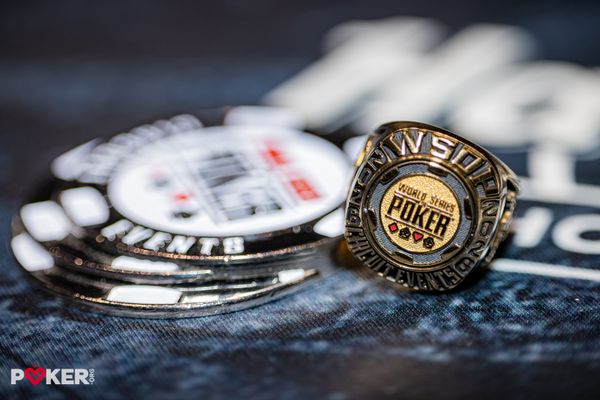
The WSOP Circuit’s expansion into Toledo and Arizona signals the tour’s confidence in growing markets beyond traditional strongholds. For players, these new stops represent more than just additional tournament opportunities—they’re strategic value plays where preparation and adaptability can generate outsized returns.
Whether you’re a circuit regular looking to exploit fresh fields or a local player eager to test your skills against touring pros, these inaugural stops offer unique dynamics you won’t find at established locations. The key is understanding how new markets differ from mature circuit stops and adjusting your game accordingly. Softer fields reward aggressive play, but don’t mistake recreational players for complete fish—many local regulars have solid fundamentals even if they lack circuit experience.
As the fall schedule takes shape, start planning now. Study the structures, book your travel, and prepare your game for the specific challenges these new markets present. The players who treat these stops strategically rather than opportunistically will be the ones cashing rings and building bankrolls as the circuit pushes toward Paradise in December.
Ready to Sharpen Your Poker Game?
Master your poker game with expert hand analysis