Why Tournament Crushers Ignore Solvers: Shaun Deeb’s Approach
Seven-time WSOP bracelet winner Shaun Deeb has never opened a solver, yet he’s crushing the tournament circuit with one of the highest ROIs in poker. As the 2026 World Series approaches, the reigning Player of the Year explains why exploitative play still trumps game theory optimal strategy in major tournaments.
What Happened
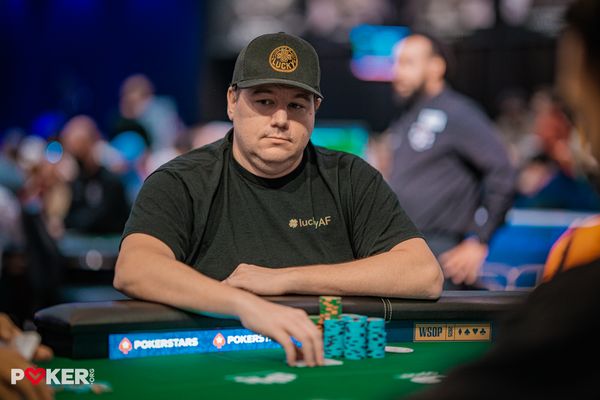
Fresh off his $100,000 Pot-Limit Omaha High Roller victory at the 2025 WSOP and currently leading the Player of the Year race after strong performances in Prague, Shaun Deeb is heading into the 2026 summer series with a contrarian approach to preparation. While competitors grind solvers and study ICM charts, Deeb’s pre-series routine involves spending quality time with his family and deliberately avoiding the technical study that dominates modern poker.
In a candid conversation about his preparation methods, the soon-to-be 40-year-old Hall of Fame candidate revealed that he’s never personally used solver software. Instead, he selectively incorporates concepts from conversations with solver-focused players while maintaining his exploitative, read-based approach that has generated exceptional returns over his career. His philosophy centers on a provocative observation: the players most dedicated to GTO strategies aren’t posting the highest tournament ROIs.
Deeb’s comments come as the poker world prepares for an expanded 2026 WSOP featuring 100 bracelet events and a new partnership with ESPN that will bring unprecedented coverage to the series. The tournament veteran, who was inspired to pursue poker professionally after watching Chris Moneymaker’s legendary 2003 Main Event victory, now finds himself among the elite players he once idolized as a teenager.
The Poker Strategy Breakdown
Deeb’s rejection of solver-based study represents a fundamental debate in modern tournament poker: should players optimize for theoretical equilibrium or maximize exploitation of opponent weaknesses? The GTO revolution promised a mathematically sound approach that couldn’t be exploited, but Deeb’s results suggest this theoretical perfection doesn’t translate to practical profit in live tournament environments.
The distinction matters because tournament poker differs fundamentally from cash games. In cash games, playing close to GTO prevents skilled opponents from exploiting you while maintaining steady win rates. But tournaments introduce unique variables: changing stack depths, ICM pressure, recreational player pools, fatigue factors, and the need to accumulate chips rather than simply avoid mistakes. These elements create opportunities for players who can identify and exploit specific opponent tendencies.
Deeb’s approach focuses on player profiling and situational adaptation. Rather than memorizing solver outputs for various scenarios, he reads opponents and adjusts his strategy based on their specific weaknesses. Against tight players, he applies pressure. Against calling stations, he value bets relentlessly. Against aggressive regulars, he traps more frequently. This dynamic adjustment requires strong fundamentals and pattern recognition, but it doesn’t require thousands of hours studying preflop ranges or turn probe betting frequencies.
The “solver kids” Deeb references have undoubtedly advanced poker theory, and he acknowledges incorporating some of their strategic innovations. Modern concepts like range advantage, board texture analysis, and balanced betting frequencies have filtered into his game through osmosis and selective conversations. But he stops short of the deep technical study that consumes many contemporary professionals, suggesting the marginal gains don’t justify the time investment for tournament specialists.
His comment about being “rich enough not to care about ICM at times” highlights another strategic advantage: the psychological freedom that comes with financial security. While technically incorrect ICM decisions cost equity in a vacuum, the ability to apply pressure without fear can generate fold equity that more than compensates. When opponents know you’re willing to gamble, they make mistakes trying to avoid confrontation. This meta-game element doesn’t appear in solver outputs but significantly impacts real-world results.
Reading The Field & Table Dynamics
The WSOP environment that Deeb dominates differs dramatically from high-stakes online tournaments where GTO strategies thrive. Live World Series events feature diverse player pools: recreational players chasing bracelet dreams, online grinders applying solver strategies, old-school professionals relying on experience, and celebrities playing for entertainment. This heterogeneous field composition rewards players who can quickly identify opponent types and adjust accordingly.
Deeb’s extensive live tournament experience provides pattern recognition advantages that solvers can’t replicate. He’s seen thousands of players in pressure situations and developed intuitive reads on betting patterns, timing tells, and psychological breaking points. When a recreational player tanks before calling on the river, Deeb knows whether they’re agonizing over a bluff-catcher or slow-playing a monster. These live reads inform decisions that pure game theory can’t address.
Tournament stage awareness also factors into Deeb’s exploitative approach. Early in events, he can afford to gamble and accumulate chips against weaker players, knowing the field will soften as aggressive regulars bust. During the middle stages, he applies ICM pressure to medium stacks protecting their equity. On final tables, he exploits pay jump fear and adjusts to specific opponent tendencies rather than playing a rigid theoretical strategy.
The social dynamics of live poker provide additional information streams. Deeb observes how opponents interact with dealers, react to bad beats, and handle pressure. A player berating dealers after losing a pot is likely on tilt. Someone checking their phone constantly isn’t fully focused. These behavioral cues inform exploitative adjustments that maximize profit against specific opponents in real-time.
His longevity in the game also provides historical context on opponents. Deeb has played thousands of hours against many WSOP regulars and knows their tendencies intimately. He remembers who three-bet bluffs excessively, who never folds top pair, and who tightens up near pay jumps. This accumulated knowledge creates edges that first-time opponents studying his game theoretically can’t overcome.
How To Apply This To Your Game
For players looking to improve their tournament results, Deeb’s approach offers several practical lessons. First, prioritize understanding fundamental poker concepts over memorizing solver outputs. Learn position, pot odds, equity calculations, and basic range construction. These foundational skills apply universally and don’t require expensive software or endless study sessions.
Second, develop player profiling skills by paying attention to opponent patterns. Notice who calls too frequently, who folds too much to aggression, and who plays straightforwardly versus deceptively. Create mental categories for player types and adjust your strategy accordingly. Against loose-passive opponents, value bet relentlessly. Against tight-aggressive regulars, trap more and bluff less. Against recreational players, simplify your strategy and focus on extracting maximum value.
Third, recognize that tournament success requires chip accumulation, not just theoretically optimal play. Sometimes the “correct” GTO play is a small expected value fold, but the exploitative alternative is a gamble that could triple your stack against a weak opponent. Deeb’s willingness to deviate from ICM perfection when the situation warrants demonstrates the importance of balancing theory with practical profit maximization.
Fourth, invest time in live experience rather than exclusively studying. Playing tournaments develops pattern recognition, emotional control, and situational awareness that no amount of solver work can replicate. The fatigue management, table presence, and psychological warfare elements of live poker only improve through repetition in real environments.
Finally, selectively incorporate modern concepts without becoming dogmatic. Deeb talks to solver-focused players and adopts strategies that make sense for his game. You should stay current with poker theory developments but filter them through the lens of your specific games and opponents. Not every theoretical advancement translates to practical profit in your local tournament series or preferred stakes.
Key Takeaways
- Exploitative play focused on opponent weaknesses can generate higher tournament ROI than rigid GTO strategies, especially in diverse live fields
- Player profiling and situational awareness provide edges that solver study alone cannot replicate
- Tournament success requires chip accumulation and strategic aggression, not just theoretically optimal decisions
- Financial and psychological freedom to take calculated risks creates meta-game advantages against risk-averse opponents
- Fundamental poker skills and pattern recognition developed through live experience form the foundation for long-term success
- Selectively incorporating modern concepts while maintaining an exploitative framework balances theoretical knowledge with practical application
Frequently Asked Questions
Should recreational players study solvers or focus on fundamentals?
Recreational players benefit far more from mastering fundamental concepts like position, pot odds, hand reading, and basic strategy than from solver study. Solvers are most valuable for advanced players fine-tuning specific situations. Focus on understanding why certain plays work, developing player profiling skills, and gaining live experience. Once you’re consistently beating your regular games, then consider whether solver work addresses specific leaks in your strategy.
How can you develop exploitative skills without solver training?
Exploitative skills develop through careful observation and pattern recognition. Take notes on opponent tendencies, review hands where you were unsure of the best play, and analyze why certain strategies worked against specific players. Discuss hands with skilled players to gain different perspectives. Watch how successful players adjust to different opponent types. The key is active learning during and after sessions rather than passive play.
Is GTO strategy worthless for tournament players?
GTO strategy isn’t worthless—it provides a baseline understanding of balanced play and prevents gross errors. However, rigidly applying GTO outputs without adjusting for opponent tendencies, stack depths, and tournament dynamics leaves significant profit on the table. The most successful tournament players understand game theory principles but prioritize exploitative adjustments based on specific situations and opponents. Think of GTO as a starting point, not a destination.
Final Thoughts
Shaun Deeb’s tournament success without solver study challenges the prevailing narrative that modern poker requires extensive technical training. His results demonstrate that player profiling, situational awareness, and exploitative adjustments remain powerful tools in live tournament environments where opponent pools vary dramatically in skill and approach. While GTO strategies provide valuable theoretical frameworks, the practical reality of tournament poker rewards players who can identify and exploit specific weaknesses.
This doesn’t mean solvers lack value—they’ve undoubtedly advanced poker theory and help players avoid fundamental mistakes. But Deeb’s point about ROI is worth considering: if the goal is maximizing profit rather than playing theoretically perfect poker, focusing on opponent exploitation in soft tournament fields may generate better returns than endless solver grinding. The key is understanding your specific games and opponents well enough to know when theoretical perfection matters and when exploitative aggression pays.
As the 2026 WSOP approaches with expanded coverage and 100 bracelet events, players at all levels can learn from Deeb’s approach. Whether you’re a recreational player hoping to cash your first WSOP event or a serious grinder chasing bracelets, balancing fundamental skills with exploitative awareness creates a sustainable edge. Study enough theory to avoid major mistakes, but invest equal time developing the live skills and psychological fortitude that separate tournament crushers from theoretical experts.
Ready to Sharpen Your Poker Game?
Master your poker game with expert hand analysis