Daniel Negreanu’s Life Balance Shift Before 2026 WSOP
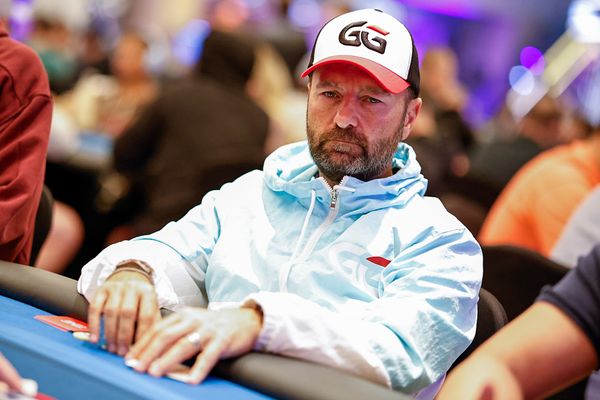
Daniel Negreanu is approaching the 2026 World Series of Poker with a completely different mindset than years past, prioritizing life balance over grinding every single event. The six-time bracelet winner has hinted at major personal news coming in his first WSOP vlogs, while revealing a dramatic lifestyle transformation that has him calling 2026 “the best year of my life.”
What Happened
In a recent interview ahead of the 2026 WSOP, Daniel Negreanu opened up about significant changes in his approach to both poker and life. The poker legend revealed he’s adopted a strict schedule—waking at 6am and sleeping by 9pm—while incorporating regular golf and consciously avoiding drama. This represents a stark departure from the grueling schedule that has defined his WSOP summers for over two decades.
Negreanu confirmed his popular WSOP vlog will return but with a twist: he’s planning to take days off during the series, something he’s historically refused to do. The Toronto native also teased two major announcements, with the first coming in his initial WSOP vlogs and described as “a big deal.” A second announcement will follow later in 2026.
The poker Hall of Famer discussed his plans to late-register more events than in previous years, acknowledging that while he says this annually, he’s committed to maintaining balance this summer. He also expressed interest in participating in the delayed Main Event final table coverage, either as a player or as part of the broadcast team alongside Phil Hellmuth on the break desk.
The Poker Strategy Breakdown
Negreanu’s shift toward life balance isn’t just about personal wellness—it has significant strategic implications for tournament poker performance. Sleep deprivation is one of the most underestimated factors affecting decision-making at the WSOP, where events can run 12-16 hours daily for weeks on end. When players are exhausted, cognitive function deteriorates, affecting everything from hand reading to bet sizing to emotional control.
The science backs this up: sleep-deprived players make more impulsive decisions, struggle with complex ICM calculations, and are more susceptible to tilt. By prioritizing rest over playing every possible event, Negreanu is actually maximizing his edge in the tournaments he does play. This represents a mature understanding that volume doesn’t equal value when performance suffers.
Late registration is another strategic element Negreanu mentioned. While some pros advocate for playing from the start to accumulate chips, late-regging offers distinct advantages: you’re fresher than opponents who’ve been grinding for hours, you avoid the early levels where variance is highest relative to skill edge, and you can better manage your schedule across multiple events.
Negreanu’s acknowledgment of diet challenges during the WSOP grind is particularly relevant. He noted that as a vegan, his nutrition plan “goes wherever the hell it wants” during the series, driven by sleep deprivation and the body’s craving for quick energy. This creates a vicious cycle: poor sleep leads to poor food choices, which leads to energy crashes and worse sleep. Breaking this cycle through intentional rest days could be the edge that separates good summers from great ones.
Reading The Field & Table Dynamics
Negreanu’s comments about the delayed Main Event final table reveal important insights about modern tournament dynamics. He referenced the old November Nine format, where players had three months to study ICM and prepare specifically for final table play. This preparation window created a unique dynamic where recreational players could hire coaches and significantly improve their game theory optimal play.
The new delayed format strikes a middle ground—enough time for ESPN promotion and player preparation, but not so much that the skill gap completely closes. This matters for how professionals should approach Main Event final tables. Players can’t rely on opponents making fundamental ICM errors after weeks of coaching, meaning the edge comes from live reads, exploitative adjustments, and psychological warfare rather than pure GTO superiority.
The field dynamics at the 2026 WSOP will likely reflect broader trends in poker: more young online players with strong theoretical foundations, recreational players with access to solvers and training sites, and veterans like Negreanu who bring decades of live experience. The players who succeed will be those who can blend theoretical knowledge with practical adjustments based on opponent tendencies.
Negreanu’s focus on avoiding drama and maintaining emotional equilibrium also speaks to table dynamics. Poker tables can become emotionally charged environments, especially during long WSOP days. Players who can remain calm and focused while others tilt or engage in table talk have a measurable advantage. This emotional control becomes even more valuable in the later stages of major tournaments when ICM pressure intensifies.
How To Apply This To Your Game
The most important lesson from Negreanu’s approach is that sustainable poker success requires life balance. If you’re planning a long tournament series—whether it’s your local casino’s summer schedule or a trip to Las Vegas—build rest days into your plan from the start. Don’t fall into the trap of thinking you need to play every event to maximize value.
Create a sleep schedule and stick to it, even when tournaments run late. If you’re playing a multi-day event, prioritize sleep over late-night cash games or socializing. Your performance on Day 2 with eight hours of sleep will far exceed your performance running on four hours and caffeine. Consider this: would you rather play 15 tournaments at 70% capacity or 10 tournaments at 95% capacity?
Develop a nutrition strategy before you arrive at the series. Pack healthy snacks, research nearby restaurants with nutritious options, and avoid relying on casino food courts when you’re exhausted. Meal prep if you’re staying somewhere with a kitchen. The goal is to remove decision fatigue around food so you’re not making poor choices when tired.
Practice strategic late registration. Study the tournament structure and identify the optimal late-reg time—usually when the field has thinned slightly but antes haven’t become too punishing. Use the extra time for rest, exercise, or mental preparation rather than grinding marginal spots in the early levels.
Build emotional resilience by consciously avoiding drama, both at and away from the tables. This means limiting social media arguments, avoiding toxic players when possible, and developing a pre-game routine that puts you in a calm, focused mindset. Meditation, exercise, or even a short walk can help reset your mental state between sessions.
Key Takeaways
- Life balance improves poker performance: Negreanu’s structured schedule with early mornings, regular sleep, and golf demonstrates that success comes from sustainable habits, not just grinding volume.
- Strategic rest beats exhausted volume: Taking days off during a long series allows for mental and physical recovery, leading to better decision-making in the events you do play.
- Late registration is a legitimate strategy: Entering tournaments after the field has thinned while you’re fresh can provide significant edges over exhausted early registrants.
- Sleep deprivation destroys edges: Poor sleep leads to impulsive decisions, worse hand reading, and increased tilt susceptibility—all of which are more costly than missing a few tournament levels.
- Nutrition affects performance: Planning meals in advance prevents the tired-brain cycle of craving unhealthy foods, which leads to energy crashes and worse play.
- Emotional control is a competitive advantage: Avoiding drama and maintaining peace of mind creates a psychological edge over opponents who are emotionally volatile.
Frequently Asked Questions
Why is Daniel Negreanu taking a different approach to the 2026 WSOP?
Negreanu has prioritized life balance and mental health, adopting a strict sleep schedule (6am-9pm), regular golf, and conscious avoidance of drama. He’s planning to take rest days during the WSOP and late-register more events rather than grinding every tournament, recognizing that quality performance beats exhausted volume.
What are the strategic advantages of late registration in WSOP events?
Late registration allows players to enter tournaments while fresh and rested, avoiding the early levels where variance is highest relative to skill edge. Players also benefit from facing opponents who’ve been grinding for hours and may be mentally fatigued, while better managing their schedule across multiple events during a long series.
How does sleep deprivation affect poker tournament performance?
Sleep deprivation significantly impairs cognitive function, leading to more impulsive decisions, difficulty with complex calculations like ICM, reduced hand-reading ability, and increased susceptibility to tilt. Players who prioritize rest maintain sharper decision-making and emotional control, creating measurable edges over exhausted opponents.
Final Thoughts
Daniel Negreanu’s evolution as a poker professional represents a maturation that many players eventually reach—the realization that poker is a marathon, not a sprint. After two decades of WSOP grinding, he’s discovered that peak performance comes from balance, not from maximizing volume at the expense of physical and mental health. This wisdom applies whether you’re a poker legend or a weekend tournament player.
The mystery surrounding his upcoming announcements adds intrigue to what promises to be a compelling WSOP summer. Whatever personal news he reveals, it’s clear that Negreanu has found contentment and peace that extends beyond the poker table. This mindset shift—from chasing every bracelet opportunity to strategically selecting spots while maintaining life balance—may actually improve his results while enhancing his quality of life.
For poker players at any level, the lesson is clear: sustainable success requires treating poker as part of a balanced life, not as life itself. Build rest into your tournament schedule, prioritize sleep and nutrition, and remember that your best poker happens when you’re physically and mentally fresh. The chips will be there tomorrow—make sure you’re in the best condition to win them.
Ready to Sharpen Your Poker Game?
Master your poker game with expert hand analysis