Nick Palma’s WSOP Revenge Tour: Fantasy Snub Fuels Fire
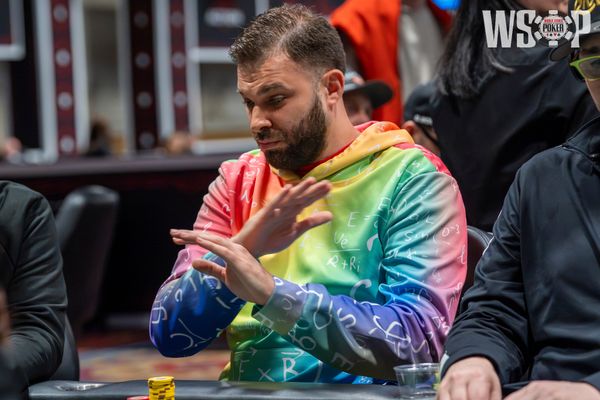
Nick Palma arrived at the 2026 WSOP with a chip on his shoulder and a bold prediction: three bracelets across no-limit, PLO, and online events. After being overlooked in the $25K Fantasy draft despite playing high-stakes tournaments up to $25K buy-ins, the outspoken pro has turned perceived disrespect into motivation for what he’s calling the biggest summer of his career.
What Happened
The Fantasy WSOP draft has become a major talking point in poker circles, with top players selected to compete on behalf of fantasy team owners. When Palma’s name wasn’t called in the $25K Fantasy draft, he took it personally. Despite his track record in no-limit hold’em and PLO tournaments at the highest stakes, he watched players he considers less qualified get picked ahead of him.
The snub didn’t sideline Palma—it energized him. He’s entered the WSOP with what he describes as a “side mission”: proving wrong every person who passed on him. Patrick Leonard did draft Palma as a bonus player in the ODB Fantasy game, submitting approximately 30 entries, which created an interesting dynamic. Palma had wanted to draft himself and win the competition, but now finds himself needing to outperform Leonard’s entire stable of teams.
Palma’s confidence isn’t baseless posturing. He’s been performing strongly in online tournaments leading into the Series, building momentum and sharpening his game across multiple formats. His WSOP campaign kicked off with a cash in Event #2, the $5,000 8-Handed No-Limit Hold’em, where he finished 80th for $9,947—a modest start to what he envisions as a historic summer.
The three-bracelet prediction breaks down strategically: one in no-limit hold’em, his bread-and-butter format; one in PLO, where he’s been grinding high-stakes games; and one in online events, where his recent form has been particularly strong. This isn’t wishful thinking from a recreational player—it’s a calculated goal from someone playing the most extensive WSOP schedule of his career.
The Poker Strategy Breakdown
Palma’s approach to the WSOP reveals important strategic considerations for tournament players planning extended campaigns. First, his focus on specific game formats—no-limit hold’em and PLO—rather than spreading himself across mixed games demonstrates smart specialization. While the Fantasy draft emphasizes mixed game prowess, Palma has identified where his edge truly lies and is maximizing volume in those events.
The decision to play the largest schedule of his career requires more than just bankroll management; it demands physical and mental preparation. Tournament poker at the WSOP level involves 10-12 hour days, often running multiple events simultaneously. Palma’s commitment to playing “all day, every day” isn’t hyperbole—it’s the reality of serious bracelet hunting.
His recent online success provides a crucial foundation. Online tournament play develops specific skills that translate directly to live poker: hand reading under time pressure, volume-based learning, and the ability to maintain focus through variance. Players who crush online typically have stronger fundamental ranges and better mathematical intuition than those who play exclusively live.
The confidence factor Palma mentions shouldn’t be dismissed as mere bravado. Sports psychology research consistently shows that belief in positive outcomes correlates with performance, particularly in high-pressure situations. Tournament poker requires aggressive play at key moments, and self-doubt creates hesitation that costs chips. Palma’s public commitment to his goals creates accountability while reinforcing his mental preparation.
Targeting three specific bracelet categories also reveals strategic thinking. No-limit events offer the most opportunities with the largest fields, increasing variance but also providing more chances to run deep. PLO events typically feature smaller, tougher fields but also fewer entries, meaning less competition for each bracelet. Online events allow him to leverage his recent form while potentially playing from a more comfortable environment.
Reading The Field & Table Dynamics
Palma’s self-described “polarizing” reputation and admission that he “talks a lot of crap” creates interesting table dynamics worth examining. Outspoken players often receive more action from opponents eager to prove them wrong or put them in their place. This can be exploited when you actually have strong hands, as players are more likely to make hero calls or bluffs against someone they perceive as arrogant.
However, this table image cuts both ways. Opponents also pay closer attention to polarizing personalities, potentially picking up tells or patterns they might miss against quieter players. Palma’s bluffs may face more skepticism, and his value bets might get looked up lighter. Managing this dynamic requires awareness of how personal reputation affects ranging and decision-making at the table.
The Fantasy draft situation adds another psychological layer. Players who drafted others over Palma might feel defensive about their choices, potentially leading to suboptimal decisions when they encounter him at tables. Similarly, Palma’s stated mission to “punish” those who passed on him could lead to revenge-driven plays rather than optimal strategy if he’s not careful.
Patrick Leonard’s heavy investment in the ODB Fantasy creates an unusual dynamic where Palma’s success directly benefits someone else’s portfolio. This alignment of interests is rare in poker, where individual results typically stand alone. It also means Leonard’s 30 teams create a situation where Palma must not just perform well, but outperform multiple other Leonard-drafted players to achieve his fantasy goals.
The WSOP grind itself changes table dynamics as the summer progresses. Early events feature fresh, well-rested players. By mid-summer, exhaustion sets in, mistakes increase, and emotional control deteriorates. Palma’s plan to maintain maximum volume throughout means he’ll need strategies for staying sharp when opponents are making fatigue-induced errors—and avoiding making those same mistakes himself.
How To Apply This To Your Game
The first lesson from Palma’s approach is the power of specialization. Rather than trying to become competent at every poker variant, identify the two or three formats where you have the strongest edge and focus your study time there. This creates deeper expertise and better ROI than spreading effort across games where you’re merely adequate.
Volume planning matters for serious tournament players. If you’re planning an extended poker trip or festival campaign, map out your schedule in advance. Consider which events align with your strengths, how much rest you’ll need between multi-day tournaments, and what your bankroll can sustain. Palma’s approach of playing his biggest-ever schedule required months of preparation and bankroll building.
Use external motivation strategically. Palma converted perceived disrespect into fuel, but this only works if channeled properly. Set specific, measurable goals before major series—not just “do well” but concrete targets like “cash in X events” or “make Y final tables.” Public commitment to these goals creates accountability that can enhance performance.
Build confidence through preparation, not just positive thinking. Palma’s belief in winning three bracelets stems from months of crushing online tournaments, not empty affirmations. Before making bold predictions or setting ambitious goals, put in the work that makes those goals realistic. Confidence without competence is delusion; confidence backed by results is a weapon.
Manage your table image actively. If you’re naturally outspoken or have a known playing style, think about how opponents perceive you and adjust accordingly. If they expect aggression, occasionally trap. If they think you’re a bluffer, value bet thinner. Your reputation is information—use it.
For tournament series specifically, develop a routine that maintains physical and mental sharpness. This includes sleep schedules, nutrition, exercise, and downtime. The WSOP isn’t a sprint; it’s a marathon where small edges in focus and energy compound over dozens of tournaments.
Key Takeaways
- Specialization beats generalization: Palma focuses on no-limit and PLO rather than spreading across mixed games, maximizing his edge in formats where he’s strongest
- Volume requires preparation: Playing the largest schedule of your career demands months of bankroll building, mental conditioning, and strategic planning
- External motivation can be powerful: Converting perceived slights into competitive fuel works when channeled into focused preparation and performance
- Confidence must be earned: Bold predictions work best when backed by recent results and genuine skill development, not just wishful thinking
- Table image is a strategic tool: Being “polarizing” or outspoken creates exploitable dynamics if you’re aware of how opponents adjust to your reputation
- Public accountability drives performance: Stating specific goals creates pressure that can enhance focus and commitment during long grinds
Frequently Asked Questions
Is it realistic to target multiple WSOP bracelets in one summer?
While extremely difficult, it’s not unprecedented. Several players have won multiple bracelets in a single WSOP, though it requires exceptional skill, significant volume, and considerable luck. Palma’s goal of three bracelets is ambitious but not impossible for a skilled player playing a full schedule. The key is having genuine edges in the formats you’re targeting and playing enough events to give variance a chance to work in your favor. Most pros consider even one bracelet a career-defining achievement.
How important is the Fantasy WSOP draft for professional players?
The Fantasy draft has become increasingly significant both financially and reputationally. Being selected high in the draft validates a player’s skill and provides additional income through staking arrangements. However, being overlooked doesn’t necessarily reflect true ability—the draft often emphasizes mixed game specialists and players with strong recent WSOP results. Many excellent tournament players aren’t drafted simply because their game selection or recent focus doesn’t align with fantasy scoring systems that heavily weight mixed events.
What’s the optimal WSOP schedule balance between volume and rest?
This varies by individual, but most successful pros recommend playing 60-70% of events in your strongest formats rather than 100% of all events. Fatigue significantly impacts decision-making quality, especially in the crucial late stages of tournaments. Build in rest days, especially after deep runs that end in disappointment. Physical exercise, proper sleep, and time away from the poker room actually improve results more than grinding every possible event. Quality of play matters more than raw volume when buy-ins are substantial.
Final Thoughts
Nick Palma’s WSOP campaign illustrates how professional poker operates at the intersection of skill, psychology, and personal narrative. His response to the Fantasy draft snub—converting disappointment into motivation rather than bitterness—demonstrates the mental resilience required for tournament poker’s extreme variance. Whether he achieves his three-bracelet goal or not, the approach itself offers valuable lessons about preparation, specialization, and the power of concrete objectives.
The broader context here is worth noting: poker increasingly rewards players who can manage both the technical and psychological aspects of competition. Palma’s confidence isn’t just about believing in positive outcomes; it’s about creating a mental framework that supports aggressive, optimal play even under pressure. His willingness to make bold public predictions creates accountability that many players would find paralyzing, but which he’s channeling into focus.
For players at any level, the key insight is that external circumstances—whether a draft snub, a bad beat, or any perceived injustice—can become either excuses or fuel. Palma chose fuel. That choice, combined with genuine skill development and strategic planning, gives him a legitimate shot at a memorable summer. The rest of us can learn from that approach regardless of our stakes or aspirations.
Ready to Sharpen Your Poker Game?
Master your poker game with expert hand analysis