Yang Wang’s Masterclass: How to Beat a Chip Leader in PLO
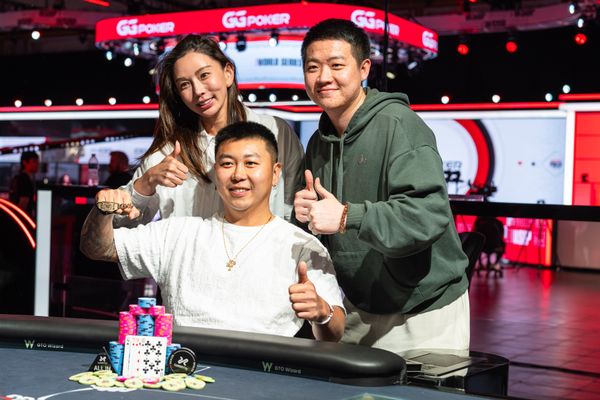
Yang Wang turned a 1.7 million chip stack into WSOP gold, defeating the seemingly unstoppable Jesse Lonis in the 2026 $5,000 PLO Championship. Starting Day 3 with less than 10% of Lonis’ massive chip mountain, Wang executed a textbook comeback that showcased the volatile beauty of Pot-Limit Omaha and proved that chip leads mean nothing without proper execution.
What Happened
The $5,000 PLO 8-Handed event at the 2026 World Series of Poker attracted 716 entries, generating a prize pool exceeding $3.2 million. Yang Wang claimed the $595,388 first-place prize and his maiden WSOP bracelet after outlasting a field that included some of poker’s most accomplished professionals.
Jesse Lonis entered the final day as the overwhelming favorite. After finishing Day 1 in second position behind Dylan Weisman, Lonis seized control on Day 2, building a commanding 17.6 million chip stack—more than triple his nearest competitor Stephen Hubbard’s 5 million. Wang sat in sixth place with a seemingly insurmountable deficit at just 1.7 million chips.
The early stages of the final table only reinforced Lonis’ dominance. He eliminated Jarred Graham in seventh place ($77,815) in a cooler situation where both players flopped sets and turned full houses, with Lonis holding the superior holding. Weisman, the Day 1 chip leader, fell in sixth for $104,359, followed quickly by Hubbard in fifth ($142,283).
With four players remaining, Lonis maintained his stranglehold on the tournament, holding 18.175 million to Wang’s 11.57 million. Justin Scott departed in fourth ($197,139) after running kings into Lonis’ flopped top pair that improved to a full house by the river. Everything was going according to script for the two-time bracelet winner.
Then the tide turned. Wang executed a crucial bluff that shifted the psychological momentum. He showed Lonis the bluff—a move that can either tilt an opponent or earn their respect. In this case, it announced Wang’s willingness to apply maximum pressure. Wang began accumulating chips steadily, eventually wresting the chip lead from Lonis in a significant pot where a river bet forced Lonis to surrender.
By the next break, Wang had established a Lonis-style lead of his own, commanding nearly two-thirds of the chips in play with 22.8 million versus Lonis’ sub-10 million stack. Wang eliminated Evan Krentzman in third place ($277,537) after a marathon five-and-a-half hour three-handed battle, entering heads-up play with nearly 30 million chips—a 5-to-1 advantage over Lonis.
The final hand saw Lonis flop top pair with the nut flush draw holding ace-king-queen-jack of hearts on a king-high board with two hearts. Wang held pocket fives with running card potential. The turn brought Wang two pair, and the river completed both Lonis’ flush and Wang’s full house, ending the tournament in dramatic fashion.
The Poker Strategy Breakdown
Wang’s victory provides a masterclass in short-stack tournament strategy and the unique dynamics of Pot-Limit Omaha. Unlike No-Limit Hold’em, where a massive chip lead can be leveraged to apply relentless pressure, PLO’s pot-limit betting structure creates natural brakes on aggression. This structural feature gave Wang the breathing room necessary to execute his comeback.
The pivotal bluff Wang showed Lonis represents a sophisticated meta-game play. By revealing a bluff in a tournament setting, Wang accomplished several objectives simultaneously. First, he demonstrated fearlessness despite his chip deficit. Second, he planted seeds of doubt in Lonis’ mind for future decisions. Third, he established a table image that would allow him to get paid when he actually held strong hands. This psychological warfare proved invaluable as the final table progressed.
Wang’s patient approach during three-handed play deserves special attention. Rather than rushing to eliminate Krentzman, Wang allowed the three-handed battle to extend over five and a half hours. This patience served multiple purposes: it allowed the blinds to increase relative to Lonis’ stack, it gave Wang more opportunities to accumulate chips from both opponents, and it potentially fatigued Lonis, who had been playing aggressive, high-variance poker for two full days.
The final hand itself illustrates a fundamental PLO concept: equities run much closer than in Hold’em, and hand values can shift dramatically on each street. Lonis made the correct decision getting his money in on the flop with top pair and the nut flush draw—he was actually a slight favorite at that point. Wang’s pocket pair with straight potential represented a standard PLO holding that can improve in multiple ways. The turn and river simply ran in Wang’s favor, but both players played the hand correctly given their stack sizes and tournament stage.
Lonis’ aggressive style throughout the tournament—eliminating players with superior holdings and running hot for extended periods—represents one viable PLO tournament approach. However, this high-variance style requires sustained good fortune. When the cards cooled off, Lonis lacked the stack depth to weather the variance shift. Wang’s more measured approach, particularly after establishing his chip lead, proved more sustainable.
Reading The Field & Table Dynamics
Understanding table dynamics and player psychology becomes paramount when facing a dominant chip leader. Wang recognized that Lonis’ aggressive style, while effective when cards cooperate, created exploitable patterns. By showing the bluff, Wang identified that Lonis cared about being outplayed—a psychological vulnerability in a player with significant career earnings and bracelet wins.
The ICM considerations at this final table created interesting strategic implications. With steep pay jumps between positions and Lonis holding such a massive chip advantage, the shorter stacks faced pressure to avoid confrontations with each other. This dynamic actually benefited Wang, as it reduced the likelihood of multi-way pots where his medium stack could be squeezed out. Instead, hands tended to play heads-up, allowing Wang to leverage his PLO expertise without navigating complex multi-way scenarios.
Lonis’ social media posts during the tournament—”Far from over” followed by “Gorilla time”—reveal his mindset. This confident, almost brash approach works wonderfully when executing and cards cooperate. However, it can create psychological pressure to maintain that aggressive image even when circumstances suggest caution. Wang, by contrast, maintained composure: “I was always confident. I was short but I always thought I could win it.” This quiet confidence allowed him to remain patient and wait for opportunities rather than forcing action.
The elimination of Scott in fourth place marked a critical juncture. Had Scott survived that hand, the presence of a fourth player would have extended the final table and potentially prevented Wang from accumulating chips as effectively during three-handed play. PLO’s high variance means that coolers and suckouts are inevitable, but their timing can dramatically alter tournament outcomes.
Wang’s chip accumulation pattern demonstrates sophisticated stack management. Rather than attempting to double through Lonis in a single massive pot—a high-variance approach that could have ended his tournament—Wang chipped away consistently, winning medium-sized pots and avoiding marginal situations. This incremental approach allowed him to build momentum while minimizing risk of elimination.
How To Apply This To Your Game
The first lesson from Wang’s victory is patience. When short-stacked against a dominant chip leader, resist the temptation to gamble desperately. In PLO especially, the pot-limit structure means you can survive longer than in No-Limit formats. Focus on playing solid poker and waiting for the chip leader to cool off—variance ensures they eventually will.
Second, use strategic image plays wisely. Wang’s decision to show his bluff wasn’t random—it came at a moment when establishing psychological leverage mattered more than keeping Lonis guessing. In your own games, consider when revealing information might benefit your long-term strategy. Against thinking opponents, occasionally showing a bluff can pay dividends in future hands when you want action on premium holdings.
Third, recognize that chip leads in PLO are less secure than in Hold’em. The pot-limit structure and multi-way equities mean that stacks can shift rapidly. If you’re the chip leader, don’t assume your advantage is insurmountable—continue playing solid poker and avoid marginal spots. If you’re short-stacked, understand that a few well-played hands can completely reverse the situation.
Fourth, adjust your aggression based on card flow and table dynamics. Lonis’ aggressive approach worked brilliantly when he was running hot, but he didn’t sufficiently adjust when momentum shifted. Monitor your own results during sessions and tournaments—if you’re running cold, tighten up and wait for better spots. If you’re running hot, you can expand your range and apply maximum pressure.
Finally, study three-handed and heads-up PLO specifically. These situations arise in every tournament that reaches the final table, yet many players dedicate insufficient study time to short-handed play. Wang’s five-and-a-half hour three-handed performance suggests deep expertise in this format. Invest time in understanding short-handed dynamics, and you’ll have a significant edge when tournaments reach crucial stages.
Key Takeaways
- Chip leads are temporary in PLO: The pot-limit structure and close equities mean massive chip advantages can evaporate quickly, so never give up when short-stacked
- Strategic information revelation has value: Wang’s decision to show his bluff created psychological leverage that paid dividends in subsequent hands
- Patience trumps desperation: Rather than gambling wildly when short-stacked, Wang played solid poker and waited for the chip leader’s heater to cool
- Adjust aggression to circumstances: Lonis’ failure to dial back his aggression when cards stopped cooperating cost him the tournament
- Master short-handed play: Wang’s five-hour three-handed performance demonstrated expertise that many players lack at this crucial tournament stage
- Psychological resilience matters: Wang’s quiet confidence contrasted with Lonis’ chest-beating approach, and ultimately proved more sustainable under pressure
Frequently Asked Questions
Why did Yang Wang show his bluff to Jesse Lonis?
Wang showed his bluff as a strategic meta-game play to establish psychological leverage. By revealing that he was willing to apply pressure with nothing, Wang planted doubt in Lonis’ mind for future decisions while simultaneously demonstrating fearlessness despite his chip deficit. This type of information revelation can pay dividends in subsequent hands when you actually hold strong holdings, as opponents become less certain about your range.
How did Wang overcome such a massive chip deficit?
Wang exploited several factors: PLO’s pot-limit betting structure prevented Lonis from applying overwhelming pressure; Wang remained patient and avoided marginal situations; he accumulated chips incrementally rather than gambling on single massive pots; and he recognized when Lonis’ hot streak cooled off and adjusted his aggression accordingly. The combination of technical skill, patience, and psychological awareness allowed Wang to gradually reverse the chip deficit.
What should you do when facing a dominant chip leader at a final table?
Focus on playing solid, fundamentally sound poker rather than gambling desperately. Recognize that chip leads are temporary, especially in PLO where equities run close. Avoid marginal confrontations with other short stacks, as this plays into the chip leader’s hands through ICM pressure. Wait for premium spots to accumulate chips, and understand that variance will eventually cool off even the hottest player. Patience and discipline are your greatest weapons against a chip leader.
Final Thoughts
Yang Wang’s victory in the $5,000 PLO Championship represents more than a simple comeback story. It’s a comprehensive lesson in tournament poker strategy, psychological warfare, and the unique dynamics that make Pot-Limit Omaha such a captivating game. While Lonis played aggressively and accumulated chips brilliantly for two days, Wang demonstrated that patience, adaptability, and mental fortitude ultimately matter more than temporary chip advantages.
The contrast between Lonis’ “Gorilla time” bravado and Wang’s quiet confidence—”I was short but I always thought I could win it”—illustrates different approaches to tournament poker. Both styles can succeed, but Wang’s measured approach proved more sustainable when facing adversity. For players looking to improve their tournament results, especially in PLO formats, this final table offers a wealth of strategic insights worth studying repeatedly.
Whether you’re grinding small-stakes PLO tournaments or competing at the highest levels, the principles Wang demonstrated—patience under pressure, strategic aggression, psychological awareness, and technical expertise—remain universally applicable. The next time you face a massive chip deficit, remember Wang’s performance and recognize that no lead is insurmountable when you combine solid fundamentals with unwavering belief in your abilities.
Ready to Sharpen Your Poker Game?
Master your poker game with expert hand analysis