Doctor Turned Poker Pro: Alex Ho’s WSOP Final Table Run
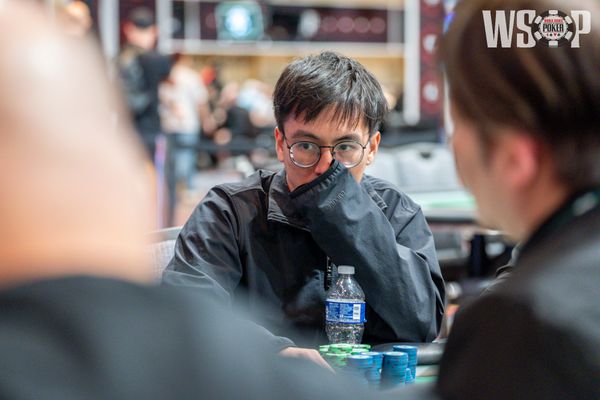
Alexander Ho traded his optometry practice for poker chips less than a month after earning his doctorate, and immediately made a final table at his debut World Series of Poker. The 27-year-old from Houston navigated a field of 4,100 players in Event #25’s $500 Freezeout to finish 8th, banking $24,148 and proving his two-year poker experiment might just have legs.
What Happened
Fresh off completing his Doctor of Optometry degree at New England College of Optometry, Alex Ho decided to postpone hanging his shingle and instead test the poker waters professionally. His timing couldn’t have been better. In his first-ever WSOP appearance, Ho battled through nearly two days of play to reach the final table of the $500 Freezeout No-Limit Hold’em event, outlasting 4,091 other hopefuls.
The final table featured formidable opposition, including Chris Hunichen—a bracelet winner with over $18 million in lifetime tournament earnings. Despite the intimidating lineup, Ho held his own, ultimately finishing in 8th place when the eliminations began. The tournament victory and $196,066 top prize went to Lou Brayden, who defeated Jason Hoffman in heads-up play to claim the bracelet.
What makes Ho’s run particularly noteworthy isn’t just the final table appearance—it’s the context. His tracked tournament earnings prior to this summer stood at just $68,000, accumulated primarily at Encore Boston Harbor while he was grinding through optometry school. But those numbers hide an impressive detail: of his 23 recorded cashes, an astounding 10 were outright victories. That’s a win rate that suggests serious tournament chops, even if the buy-ins were modest.
The Poker Strategy Breakdown
Ho’s approach to the freezeout format reveals a player who understands the fundamental differences between tournament structures. The freezeout—no re-entries, one bullet only—demands a different strategic framework than the unlimited re-entry events that dominate modern poker schedules. Every decision carries more weight when elimination means you’re done for good.
“I ran good and won all those 60/40 spots,” Ho acknowledged when discussing his path to the final nine. This self-awareness is crucial. While he credits variance for some of his success, the ability to consistently get chips in good and navigate coin-flip situations is a skill in itself. Tournament poker isn’t about avoiding these spots—it’s about finding them when you have the best of it and maximizing your equity when you’re behind.
The 30-minute level structure added another layer of complexity. Faster structures compress decision-making windows and accelerate the transition between tournament stages. Players need to adjust their ranges more quickly, identify when to shift gears, and recognize when stack preservation gives way to chip accumulation mode. Ho’s ability to navigate this compressed timeline in his first WSOP suggests strong fundamentals and solid tournament instincts.
Perhaps most telling was Ho’s self-critical nature. “I still think I made some blunders,” he admitted despite his deep run. This mindset separates recreational players from professionals. The best tournament players don’t just celebrate results—they dissect their play, identify leaks, and constantly refine their approach. Ho’s willingness to acknowledge mistakes while running deep demonstrates the analytical mindset necessary for long-term success.
His focus at the table also deserves attention. While many professionals scroll through social media between hands, Ho committed to full concentration. “I’ve noticed a lot of pros are on Twitter or browsing on their phones a lot, but I’m putting it all out there,” he explained. In an era where multi-tabling and divided attention have become normalized, this old-school focus provides a genuine edge, especially in live tournament play where physical tells and table dynamics matter.
Reading The Field & Table Dynamics
The final table presented Ho with a masterclass in ICM pressure and navigating mixed-skill fields. With Chris Hunichen at the table, Ho faced an opponent with vastly more experience in high-pressure situations. Hunichen’s presence alone changes table dynamics—his reputation and proven track record can create fold equity and influence decision-making across the entire final table.
Ho demonstrated awareness of these dynamics, particularly regarding ICM considerations. “In those smaller tournaments I kind of just played for the win,” he noted. “Obviously, this is higher stakes and now there’s so much ICM to think about.” This recognition marks a crucial evolution in tournament thinking. At smaller buy-ins with flatter payout structures, playing for first place often makes mathematical sense. But with $196K up top and meaningful pay jumps throughout the final table, every decision carries significant monetary implications.
The guaranteed $18,801 for ninth place represented more than Ho’s previous best score of $8,400. Each elimination meant substantial pay increases, creating situations where survival temporarily trumps chip accumulation. Understanding when to apply pressure and when to let others battle is the hallmark of mature tournament play, and Ho’s comments suggest he grasped these concepts in real-time.
His approach also reflected a professional mindset toward bankroll management. “A bracelet would be nice, but there’s still a lot of money on the line,” Ho acknowledged. While the prestige of WSOP jewelry is undeniable, a player embarking on a two-year professional poker trial needs to prioritize financial sustainability. This balanced perspective—chasing glory while respecting the economics—suggests Ho understands the business side of professional poker.
How To Apply This To Your Game
Ho’s journey offers several actionable lessons for players at all levels. First, the importance of building a winning track record at lower stakes cannot be overstated. His 10 wins in 23 cashes didn’t happen by accident—they reflect consistent execution and the ability to close tournaments. Before moving up in stakes, ensure you’re not just cashing but actually winning at your current level.
Second, eliminate distractions when you play. Ho’s commitment to staying off his phone and maintaining focus gave him an information edge over distracted opponents. In live poker, every hand provides data—betting patterns, timing tells, chip stack management. You can’t gather this intelligence while scrolling Twitter. Make a rule: when cards are in the air, phones stay in pockets.
Third, develop a self-critical review process. After every session, especially tournament runs, analyze your key decisions. What spots felt uncomfortable? Where did you deviate from your standard ranges? Which river decisions still nag at you? Ho’s willingness to identify his own mistakes, even during a successful run, exemplifies the growth mindset necessary for improvement.
Fourth, understand how tournament structure impacts strategy. The 30-minute levels in this freezeout created a different game than a deep-stack event with hour-long levels. Adjust your opening ranges, three-bet frequencies, and commitment thresholds based on how quickly blinds escalate. Practice playing different structures to develop versatility.
Finally, respect variance and sample size. Ho’s plan to give himself two years before evaluating his poker career demonstrates statistical maturity. Short-term results—whether a heater or a downswing—don’t define your true skill level. Build a sufficient sample size before making major life decisions based on poker results.
Key Takeaways
- Ho finished 8th in his first WSOP event for $24,148, nearly tripling his previous best tournament score
- His pre-WSOP record showed 10 wins in 23 cashes, indicating strong tournament finishing ability despite modest buy-ins
- The freezeout format and 30-minute levels required quick strategic adjustments and careful navigation of coin-flip situations
- Ho demonstrated ICM awareness at the final table, balancing bracelet dreams with financial reality
- His commitment to focus and self-critical analysis provides a blueprint for serious improvement
- The two-year professional trial plan shows respect for variance and the importance of adequate sample sizes in poker
Frequently Asked Questions
What is a freezeout tournament format?
A freezeout tournament allows only one entry per player—no re-entries or re-buys. Once you’re eliminated, you’re done. This format requires more conservative play early and careful chip preservation, as you can’t fire additional bullets if things go wrong. It’s considered the purest form of tournament poker.
How does ICM affect final table strategy?
ICM (Independent Chip Model) calculates the monetary value of your chip stack based on payout structure and remaining players. At final tables with significant pay jumps, ICM often dictates tighter play than chip EV would suggest, especially for medium stacks. Understanding ICM helps you make +EV folds that might seem weak in cash game contexts.
What win rate should you have before turning professional?
There’s no magic number, but consistent profitability over a large sample size is essential. Ho’s 10 wins in 23 cashes (43% win rate in tournaments he cashed) is exceptional, though tournament sample sizes need to be much larger. Most professionals recommend at least 1-2 years of part-time winning play and a substantial bankroll before attempting to go pro.
Final Thoughts
Alexander Ho’s WSOP debut represents more than just a feel-good story about a doctor trying his hand at poker. It’s a case study in preparation meeting opportunity, and in having the self-awareness to recognize when you might have what it takes to compete at the highest level. His 10 wins in 23 cashes weren’t flukes—they were evidence of a player who knows how to navigate tournament structures and close the deal when he gets deep.
The two-year trial period Ho has set for himself demonstrates the kind of rational thinking that serves poker professionals well. Too many players make the leap to full-time poker after a single big score or a hot month, only to discover that variance can be cruel and sample sizes matter. Ho’s background in optometry—a field requiring precision, attention to detail, and scientific thinking—may serve him better at the poker tables than he realizes.
Whether Ho ultimately decides to pursue poker professionally or returns to optometry, his WSOP final table run proves he belongs in the conversation. And for the rest of us grinding our way through the poker ranks, his story offers a valuable reminder: focus, self-criticism, and respect for the game’s variance can take you further than raw talent alone. Keep your eyes on this one—pun absolutely intended.
Ready to Sharpen Your Poker Game?
Master your poker game with expert hand analysis