Kenneth Gregory Stuns Maurice Hawkins in Epic WSOP Comeback
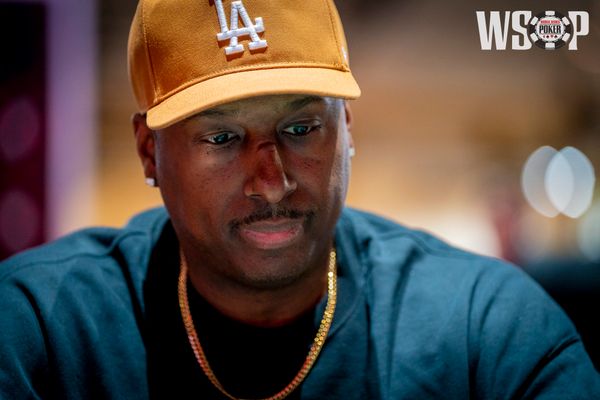
Kenneth ‘Brent’ Gregory mounted one of the most dramatic comebacks of the 2026 WSOP, erasing a massive chip deficit to capture his first bracelet and deny Maurice Hawkins—poker’s all-time WSOP Circuit ring leader with 25—his long-awaited breakthrough moment. The $600 NLH/PLO event final table featured an improbable collection of elite talent, but it was the underdog Gregory who weathered the storm and seized victory in front of a raucous crowd.
What Happened
Event #28, a $600 No-Limit Hold’em/Pot-Limit Omaha combo tournament, attracted 3,332 entries and generated a prize pool exceeding $1.67 million. Despite the modest buy-in and turbo structure, the final table assembled a murderer’s row of talent including Daniel Negreanu, Alex Foxen, Josh Reichard, and John Holley—who collectively brought more than 50 WSOP Circuit rings to the felt.
Maurice Hawkins dominated the early stages of final table play, eliminating Negreanu in a shocking eighth-place finish and scoring a crucial double knockout in PLO that sent both Foxen and John Ghosn to the rail simultaneously. When Hawkins flopped a straight with his hand against both opponents, it appeared his path to bracelet glory was all but assured.
Reichard fell in third place, leaving Hawkins with a commanding chip advantage heading into heads-up play against Gregory. But what seemed like a coronation turned into a nightmare for the Circuit ring king. Gregory doubled once, then doubled again, seizing momentum and the chip lead. Though Hawkins briefly regained ground with his own double-up, Gregory pulled away and closed out the tournament when Hawkins’s flush draw and overcard couldn’t connect against Gregory’s top pair.
The Poker Strategy Breakdown
The pivotal moments in this tournament showcase fundamental concepts that separate winning players from those who come close. Gregory’s first critical double-up came when he held pocket jacks against Hawkins’s ace-king. The preflop mathematics here are fascinating—pocket jacks are roughly a 53-47 favorite against ace-king offsuit, making this essentially a coin flip. Gregory’s willingness to get his stack in during this spot reflects proper tournament strategy when facing a big stack with a premium holding.
The second double-up demonstrated even more strategic sophistication. Gregory shoved the turn with top pair, and Hawkins called with a flush draw and overcards. This represents a classic tournament confrontation where both players have legitimate equity. Hawkins’s call was mathematically sound given his outs—approximately nine flush cards plus potentially three aces for additional equity. However, when you’re the big stack in a heads-up situation, there’s an argument for selective aggression rather than calling off large portions of your stack as a slight underdog.
The final hand encapsulated the risk-reward calculus of tournament poker. Hawkins moved all-in after the flop with a flush draw and ace-high, giving him roughly 35% equity against Gregory’s flopped top pair. In a cash game, this might be a marginal spot to commit your stack. In a tournament—especially heads-up for a bracelet—these semi-bluff shoves with significant equity are standard. The problem for Hawkins wasn’t the play itself, but rather the accumulated damage from the previous two major pots that left him short-stacked and forced into these high-variance situations.
One strategic element often overlooked in turbo structures is the importance of pot control when you have the chip lead. Hawkins’s aggressive style served him well through most of the final table, but heads-up against a player gaining confidence and momentum, there’s value in applying measured pressure rather than consistently putting your tournament life at risk in marginal spots. Gregory’s doubles didn’t come from speculative plays—they came from premium holdings and strong made hands that Hawkins chose to confront.
Reading The Field & Table Dynamics
The psychological elements of this final table were as compelling as the strategic ones. Hawkins entered with significant baggage—his reputation for unpaid debts and controversial behavior meant the crowd was decidedly against him. This isn’t merely a sideshow; rail support genuinely impacts player psychology, especially in high-pressure situations.
Gregory acknowledged the crowd factor explicitly, noting that thousands were pulling for him once heads-up play began. This external validation can provide a confidence boost that translates to better decision-making. Conversely, playing as the villain—whether deserved or not—creates additional pressure that can lead to forcing action or making suboptimal decisions to end the tournament quickly.
The presence of Reichard’s Midwestern rail initially supported their player but seamlessly transitioned to backing Gregory after Reichard’s elimination. This created an increasingly hostile environment for Hawkins, who appeared visibly emotional throughout the later stages. Managing emotions in tournament poker is crucial, and the combination of being on the verge of his first bracelet while facing crowd hostility likely impacted his mental game.
From an ICM perspective, the three-handed dynamics were particularly interesting. Reichard doubled through Gregory early in three-handed play, leaving Gregory as the short stack. In this configuration, the correct strategy often involves the two shorter stacks applying pressure to the chip leader while avoiding confrontations with each other. However, the turbo structure compressed decision time and forced action. When you’re playing with 15-20 big blinds effective, theoretical ICM considerations give way to fundamental push-fold mathematics.
The double knockout hand that eliminated Foxen and Ghosn simultaneously demonstrated the variance inherent in mixed-game formats. PLO introduces significantly more preflop equity distribution than Hold’em, and multi-way all-ins can create situations where the favorite is only marginally ahead. Hawkins’s flopped straight was obviously strong, but in PLO, even made straights face redraw equity from flush draws and full house possibilities. His ability to fade those outs in a crucial pot exemplified the run-good necessary for tournament success.
How To Apply This To Your Game
The most valuable lesson from this tournament is understanding momentum shifts and adjusting your strategy accordingly. When Gregory secured his first double-up, the dynamic fundamentally changed. As the chip leader, Hawkins should have recognized this inflection point and potentially tightened his ranges slightly, forcing Gregory to take risks rather than providing opportunities for further doubles.
In your own tournament play, particularly in turbo structures, identify when you’re the big stack facing a resurgent opponent. This is the time to apply selective pressure—attack blinds and small pots while avoiding large confrontations without premium holdings. The goal is to maintain your advantage through accumulation rather than risking your stack in marginal spots.
Another critical application involves managing emotions during deep runs. Hawkins was visibly emotional, which is understandable given the stakes and his previous near-misses at WSOP glory. However, emotional control directly correlates with decision quality. Develop pre-tournament routines and in-game techniques to maintain equilibrium regardless of external factors like crowd sentiment or the significance of the moment.
The mixed-game format also offers lessons. If you’re playing NLH/PLO or other mixed events, recognize that PLO hands create more frequent coin-flip scenarios and multi-way action generates higher variance. Adjust your risk tolerance accordingly—what seems like a dominant position in Hold’em might be far more vulnerable in Omaha. Study PLO equity distributions so you’re not surprised when your flopped straight faces 40% equity from a combination of draws.
Finally, practice heads-up scenarios specifically. The skill set required for heads-up play differs substantially from full-ring or even short-handed play. Hand values shift dramatically, aggression becomes paramount, and the ability to adjust to your opponent’s tendencies in real-time determines outcomes. Gregory’s willingness to commit with pocket jacks and top pair in crucial spots reflected comfort with heads-up ranges and equities that many players lack.
Key Takeaways
- Momentum shifts in tournaments are real and require strategic adjustments—tighten up as the big stack when an opponent gains confidence through doubles
- Turbo structures compress decision-making time and increase variance, making premium hand selection and push-fold mathematics more critical than elaborate play
- Psychological factors including crowd sentiment and emotional control significantly impact performance in high-pressure situations
- Mixed-game formats like NLH/PLO require understanding equity distributions specific to each variant—PLO creates more coin-flip scenarios and reduces the advantage of made hands
- Heads-up play demands specific skills and comfort with wider ranges; practice these scenarios separately from full-ring tournament preparation
- Even dominant chip leads can evaporate quickly in turbo structures—protect your advantage through selective aggression rather than constant confrontation
Frequently Asked Questions
Why did Maurice Hawkins lose his chip lead so quickly?
Hawkins lost his commanding chip advantage through two critical double-ups by Gregory in quick succession. The first came with Gregory’s pocket jacks holding against ace-king, and the second when Gregory’s top pair held against Hawkins’s flush draw. In turbo structures with shallow stacks, two lost all-ins can completely reverse chip positions. Hawkins’s aggressive style, which served him well earlier, became a liability when Gregory gained momentum and confidence.
How does crowd support actually affect tournament outcomes?
While crowd support doesn’t change the cards, it significantly impacts player psychology and confidence. Gregory explicitly mentioned feeling like victory was inevitable once the crowd backed him following his first double-up. Conversely, playing as the villain creates additional pressure that can lead to suboptimal decisions, emotional tilting, or rushed play. Mental game is crucial in poker, and external validation or hostility directly influences decision-making quality under pressure.
What’s the strategic difference between NLH and PLO in mixed tournaments?
PLO creates more equitable preflop and postflop situations compared to Hold’em. In NLH, premium pairs and big aces dominate preflop equity, but in PLO, more hands have competitive equity due to four-card combinations. Flopped hands in PLO also face more redraw possibilities—a flopped straight might be against flush draws, wrap straight draws, and set redraws simultaneously. This increased variance requires adjusting risk tolerance and recognizing that dominant positions are less dominant than they appear in Hold’em.
Final Thoughts
Kenneth Gregory’s victory represents everything compelling about tournament poker—skill meeting opportunity at the perfect moment, an underdog rising when it matters most, and the cruel variance that makes this game simultaneously frustrating and captivating. For Maurice Hawkins, this near-miss adds another painful chapter to his WSOP bracelet pursuit. With 25 Circuit rings, his tournament prowess is undeniable, yet the bracelet remains elusive. These moments define careers and create the narratives that make poker more than just cards and chips.
The strategic lessons from this final table extend far beyond this single tournament. Understanding momentum, managing emotions, adjusting to turbo structures, and developing heads-up competency are skills that separate consistent winners from perpetual near-missers. Gregory’s willingness to commit with strong hands when short-stacked, combined with his ability to capitalize on crowd support and maintain focus, exemplifies the complete tournament player.
For players at every level, this tournament offers a masterclass in both what to do and what to avoid. Study these hands, understand the equity calculations, and recognize the psychological factors at play. Whether you’re playing $600 events or higher stakes, these principles remain constant. The next time you’re the big stack facing a resurgent opponent, remember Gregory’s comeback and adjust your strategy accordingly. And when you’re the short stack needing a double, channel that same confidence and commitment that turned Gregory from underdog to champion.
Ready to Sharpen Your Poker Game?
Master your poker game with expert hand analysis