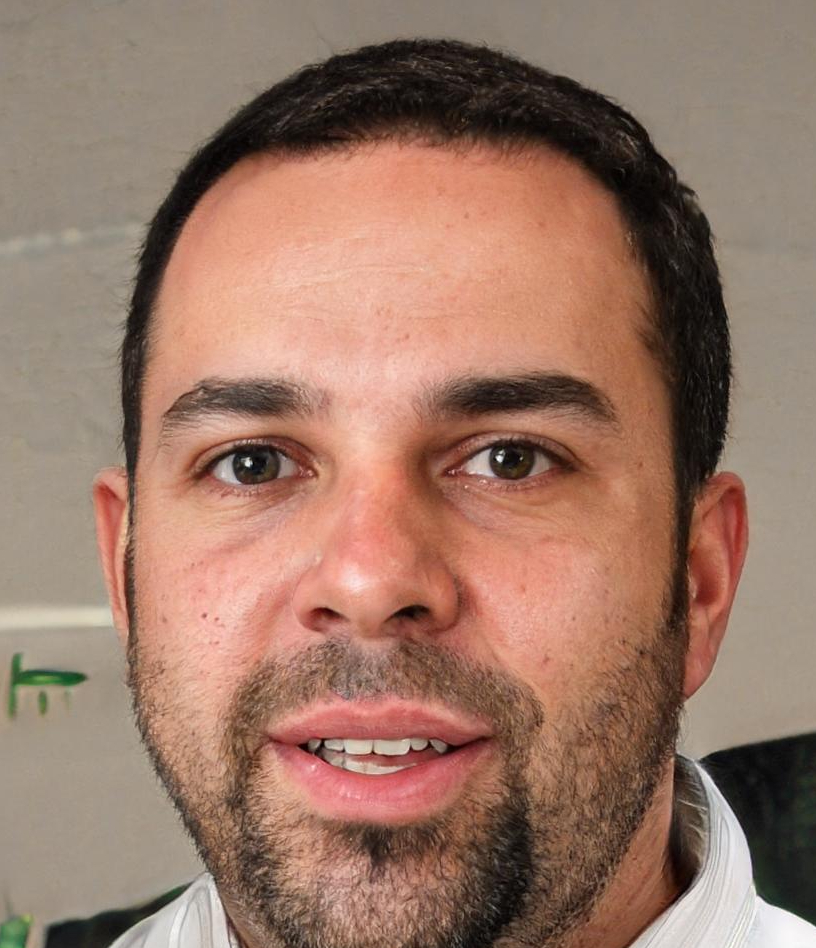
Rich Alsup’s Limp Strategy Wins $1.3M WSOP Monster Stack
Rich Alsup turned conventional heads-up wisdom on its head, limping every single hand to claw back from a 20-big-blind deficit and capture the $1.3 million top prize in the WSOP Monster Stack. The Minnesota pro’s unconventional small-ball approach in Event #18’s finale showcased how adapting your strategy to shrinking stack depths can overcome even the hottest opponent.
What Happened
The $1,500 Monster Stack drew a massive field of 11,933 entries, generating a prize pool exceeding $12.1 million. After eight days of grueling poker, Rich Alsup emerged victorious, defeating Sal Dicarlo in a spirited heads-up battle that pitted Minnesota’s poker community against Kansas City’s boisterous Chiefs faithful.
Alsup’s victory was particularly meaningful for Minnesota poker. He became the third player from the North Star State to reach a WSOP bracelet heads-up match that week, following Randy Jacks (second in the $600 PLO Deepstack) and Jason Hoffman (runner-up in the $500 Freezeout). Unlike his Minnesota predecessors that week, Alsup sealed the deal.
The win catapulted Alsup’s career earnings to nearly $4 million, vaulting him from eighth to second on Minnesota’s all-time money list. He now trails only Blake Bohn, the state’s poker kingpin, by approximately $250,000. For Alsup, this marked his second WSOP bracelet, having previously won an $800 Deepstack event in 2022.
Dicarlo, sporting full Kansas City Chiefs regalia complete with jersey, hoodie, and hat, brought his own vocal rail equipped with cowbells. The Missouri player collected $900,000 for his runner-up finish, pushing his career earnings past $2.2 million. The atmosphere crackled with regional rivalry as both sides cheered their champion.

The Poker Strategy Breakdown
Alsup’s heads-up strategy defied conventional tournament wisdom, and that’s precisely why it worked. Facing an opponent running hot and holding a commanding chip advantage, Alsup made a radical adjustment: he stopped raising preflop entirely.
“I just small balled it,” Alsup explained post-victory. “I didn’t raise one hand. I just limped every pot.”
This approach accomplishes several critical objectives when you’re short-stacked in heads-up play. First, it conserves chips by avoiding the standard raise-fold scenario that bleeds your stack when facing aggression. Second, it disguises hand strength completely—your opponent can’t differentiate between premium hands and speculative holdings. Third, it invites your opponent to make mistakes by over-aggressing into what appears to be weakness.
The limp strategy also exploits a psychological edge. Aggressive opponents accustomed to applying pressure often struggle when their opponent refuses to engage in the raising war they’ve prepared for. They’re forced to either check behind (giving you free flops) or raise with a wider range than optimal (making them vulnerable to limp-reraises with premium hands).
Alsup complemented this passive preflop approach with aggressive postflop play, including what he described as a “well-timed hero call” that shifted momentum. This combination—passive preflop, selectively aggressive postflop—created maximum confusion for Dicarlo while minimizing Alsup’s risk during his comeback.
The final hand illustrated Alsup’s confidence in his read and his willingness to gamble when the moment arrived. Getting it in with ace-seven against ace-king represents a significant equity disadvantage, but Alsup trusted his instincts. “I just felt it was gonna come,” he said. Sometimes poker rewards the player who maintains unwavering belief in their victory.
Reading The Field & Table Dynamics
The Monster Stack final table featured eight players, each navigating different stack sizes and ICM considerations. With payouts ranging from $190,000 for eighth place to $1.3 million for the winner, the pressure intensified with each elimination.
Minnesota had eight players remaining on Day 3, with Jason Funke of Minnetonka leading the charge as chip leader. This strong representation speaks to the depth of talent emerging from the state’s poker scene, centered around Canterbury Park in Shakopee and numerous home games throughout the region.
By the time heads-up play arrived, both Alsup and Dicarlo had navigated the ICM minefield successfully. The dynamic shifted from survival to aggression, but with an important caveat: the big blinds were “shrinking fast” relative to stack sizes, creating a push-fold scenario that favored unconventional approaches.
Dicarlo entered heads-up play with momentum, having run hot through the final table. This created a dangerous situation for Alsup—facing an opponent with both chips and confidence. The Kansas City rail’s energy, complete with cowbells, added another layer of pressure.
Alsup’s Minnesota supporters provided crucial emotional support. “It means everything,” he acknowledged. “The guys that I hang out with are a great support group and we’re all friends.” This psychological backing shouldn’t be underestimated in high-pressure tournament situations. Having familiar faces cheering your every move provides comfort during the inevitable swings.
The regional rivalry added spice to the proceedings. While Minnesota-Kansas City doesn’t carry the same recognition as other sports rivalries, those familiar with the dynamic understand its intensity. This undercurrent likely fueled both players’ determination.
How To Apply This To Your Game
Alsup’s victory offers several actionable lessons for tournament players at all levels:
Adapt to your opponent’s temperature. When facing a hot opponent with momentum, changing gears dramatically can disrupt their rhythm. If they’re expecting aggression, give them passivity. If they’re playing cautiously, apply pressure. Don’t stick to “standard” play when the situation demands creativity.
Understand when to abandon conventional wisdom. Poker strategy guides universally recommend raising over limping in heads-up play. Alsup ignored this advice because his specific situation—short stack, hot opponent, fast-shrinking blinds—demanded a different approach. Learn the rules, then know when to break them.
Preserve chips when short-stacked. The raise-fold pattern bleeds stacks quickly. By limping, Alsup saw flops cheaply, gave himself opportunities to connect, and avoided committing chips without seeing community cards. This patience allowed him to wait for better spots.
Balance preflop passivity with postflop aggression. Limping doesn’t mean playing weak. Once you see a flop, you can still apply pressure with bets and raises. This combination keeps opponents guessing and prevents them from exploiting your preflop passivity.
Maintain positive mindset during comebacks. Alsup emphasized staying positive throughout his comeback: “I didn’t force anything. I just stayed positive and I just really felt it that I was gonna win.” This mental approach prevents desperate plays and allows you to wait for legitimate opportunities.
Trust your reads in crucial moments. When the final hand arrived, Alsup trusted his instinct despite being behind. While you shouldn’t rely on “feeling it” as your primary strategy, there’s value in trusting your reads when you’ve put in the work to understand your opponent.
Key Takeaways
- Alsup won $1.3 million in the WSOP Monster Stack, defeating 11,933 entries and overcoming a significant heads-up chip deficit
- His unconventional strategy of limping every hand heads-up disrupted his opponent’s rhythm and conserved his short stack
- The victory moved Alsup to second on Minnesota’s all-time poker money list, just $250K behind Blake Bohn
- Minnesota had three players reach WSOP bracelet heads-up matches in one week, showcasing the state’s growing poker strength
- Adapting your strategy to specific opponent tendencies and tournament dynamics matters more than following “standard” plays
- Strong rail support and positive mindset contributed significantly to Alsup’s comeback victory
Frequently Asked Questions
Why did Rich Alsup limp every hand heads-up instead of raising?
Alsup adopted a pure limping strategy to conserve his short stack and disrupt his hot opponent’s rhythm. By limping, he avoided the chip-bleeding raise-fold pattern, disguised his hand strength completely, and forced his opponent to make difficult decisions. This unconventional approach worked because it was unexpected and perfectly suited to the shrinking stack-to-blind ratio at that stage of play.
How strong is Minnesota’s poker community compared to other states?
Minnesota has quietly developed one of poker’s strongest regional communities, centered around Canterbury Park and the Mid-States Poker Tour. The state boasts multiple players with over $2 million in career earnings, including Blake Bohn ($4M+), Rich Alsup (nearly $4M), Aaron Johnson, Ryan Laplante, and Lyle Berman. Minnesota even has its own Poker Hall of Fame, and the tight-knit community consistently shows up to support their players at major tournaments.
What is the WSOP Monster Stack tournament format?
The Monster Stack is a $1,500 buy-in WSOP event that gives players significantly deeper starting stacks than standard tournaments, hence the “monster” name. This structure allows for more play and reduces variance compared to turbo formats. The 2026 edition attracted 11,933 entries, creating a prize pool exceeding $12 million with $1.3 million awarded to first place.
Final Thoughts
Rich Alsup’s Monster Stack victory reinforces an essential poker truth: rigid adherence to “correct” strategy often matters less than adapting intelligently to your specific situation. His decision to abandon conventional heads-up raising strategy wasn’t reckless—it was calculated, opponent-specific, and perfectly suited to his stack depth and the tournament dynamics.
The win also highlights Minnesota’s emergence as a genuine poker powerhouse. While Las Vegas, Los Angeles, and Florida typically dominate poker geography discussions, the Land of 10,000 Lakes has quietly cultivated a community that consistently produces champions. With Alsup now breathing down Blake Bohn’s neck for the state’s all-time earnings lead, Minnesota poker has never been stronger.
For tournament players, the lesson is clear: master fundamental strategy, but don’t become a slave to it. The best players recognize when the situation demands creativity. Whether you’re battling for $1.3 million or your local tournament title, the ability to adjust, adapt, and trust your instincts separates champions from also-rans.
Ready to Sharpen Your Poker Game?
Master your poker game with expert hand analysis