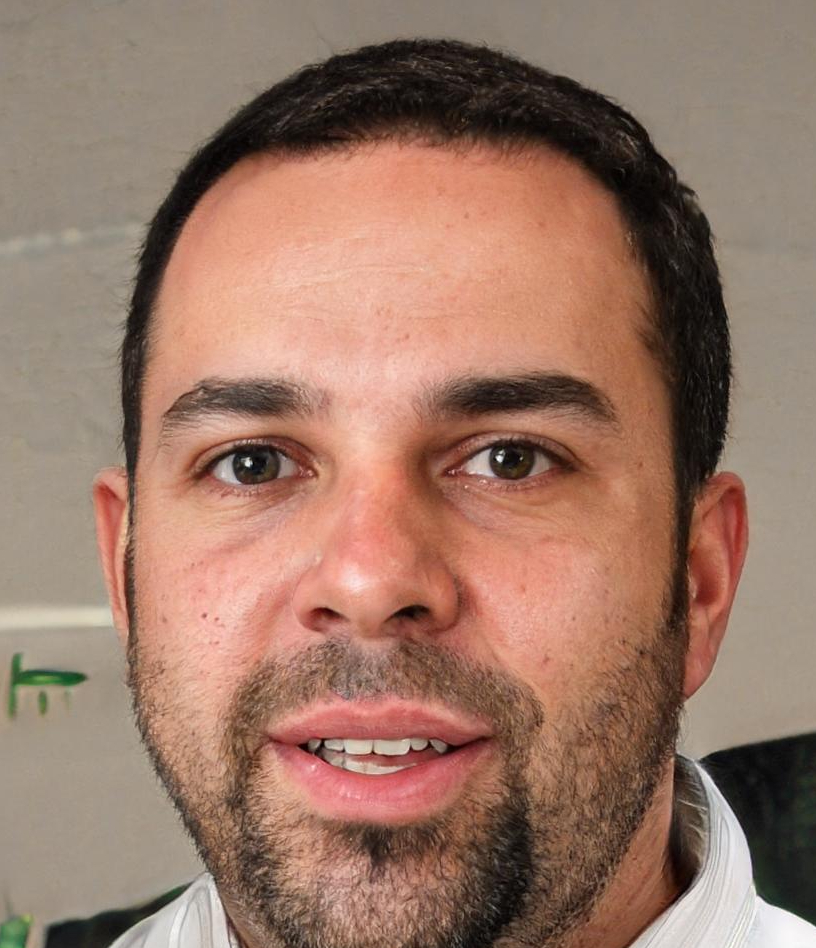
Alex Foxen’s Fourth Bracelet: Super Turbo Mastery Lessons
Alex Foxen nearly threw away a 24-to-3 million chip heads-up advantage before rallying to capture his fourth WSOP bracelet in the $10,000 Super Turbo Bounty event. The victory showcased not just raw talent, but the mental fortitude and adaptability required to navigate poker’s most chaotic format—and there’s plenty we can learn from how he did it.
What Happened
The $10,000 Super Turbo Bounty tournament is designed for maximum variance. Blind levels fly by, stacks get shallow fast, and even the most skilled players need fortune on their side. Alex Foxen entered the event after busting the $250,000 Super High Roller earlier that Sunday, quickly accumulating chips and eventually dominating the final table.
Foxen’s path to victory included a double knockout that gave him the final table chip lead, then relentless aggression that crushed his opponents. By the time heads-up play arrived against China’s Yixi Tang, Foxen controlled nearly 90% of the chips in play—24 million of the 27 million total.
But Tang mounted an improbable comeback. After chipping away with smaller pots, Tang landed a devastating blow when Foxen’s trip twos ran into a rivered full house. Suddenly, the match was nearly even, and what seemed like a coronation turned into a genuine battle.
“It’s always tough to go into heads-up with such a huge lead and just immediately give it up,” Foxen reflected afterward. “Your expectations get really high, and all of a sudden you don’t have it anymore. It’s definitely not a pleasant experience.”
Foxen regrouped, stopped the bleeding, and clawed his way back to dominance. He eventually closed out Tang to claim the $594,246 first prize and his fourth career WSOP bracelet.
The tournament also featured memorable performances from Martin Kabrhel, who drew crowds of railbirds hanging on his every word before busting in 21st place, and Martin Zamani, who literally sprinted between this event and the $10,000 Big O tournament happening simultaneously across the Amazon room. Zamani’s multi-tabling adventure ended when he ran ace-king into Foxen’s pocket aces in fourth place.

The Poker Strategy Breakdown
Super Turbo tournaments demand a completely different strategic approach than standard-speed events. With blinds escalating rapidly and average stacks hovering between 10-20 big blinds for much of the tournament, ICM pressure intensifies quickly, and conventional tournament strategies get compressed into hyper-aggressive sequences.
Foxen’s success in this format reveals several critical strategic elements. First, he understood that chip accumulation early is paramount. Unlike slower structures where you can wait for premium hands, Super Turbos reward players who build stacks immediately. Foxen jumped into the event fresh off a $250K bust and wasted no time getting involved, recognizing that survival mode doesn’t work when blinds double every 15 minutes.
His final table performance demonstrated textbook big-stack leverage. With shorter stacks surrounding him and relatively even mid-stacks, Foxen applied maximum pressure. “There were a lot of even stacks and quite a few short stacks,” he explained. “I had a really good spot to apply a lot of leverage at these shallow depths.”
This leverage manifests in several ways. Big stacks can open wider ranges because they’re risking smaller percentages of their stacks. They can three-bet aggressively, knowing opponents face tournament life decisions. And crucially, they can call all-ins more liberally when getting proper pot odds, even with marginal holdings.
The heads-up comeback from Tang also illustrates an important strategic reality: even massive chip leads can evaporate quickly in turbo formats. One double-up changes everything. Foxen’s ability to recalibrate after losing his advantage—mentally resetting and finding his aggressive edge again—separated him from players who might have tilted or played scared.
“Knowing when to turn it on and off in different spots is important,” Foxen noted. This adaptability is crucial. When he had the chip lead, he pressed relentlessly. When Tang surged back, Foxen adjusted, picked his spots more carefully, and waited for better opportunities to rebuild his stack.
Reading The Field & Table Dynamics
Understanding table dynamics becomes even more critical in Super Turbo formats because the window for exploitation is narrow. Foxen’s ability to read opponents and adjust on the fly has been praised by fellow pros like Nick Schulman, who observed: “It feels like he could almost play any poker game because he just gets the dynamics of the table.”
At the final table, Foxen recognized that his opponents faced different ICM pressures. Short stacks were fighting for survival and ladder considerations. Mid-stacks were trying to outlast each other without taking unnecessary risks. This created perfect conditions for a big stack to run over the table.
The Martin Zamani situation perfectly illustrates how external factors can affect player decision-making. Zamani was literally running between two tournaments, which meant he couldn’t give full attention to either. When he left the Super Turbo table to play a Big O hand, his opponent spiked a river queen to double through him. These distractions, however small, create exploitable edges for observant opponents.
Kabrhel’s presence added another dynamic layer. Love him or hate him, Kabrhel commands attention and disrupts normal table flow. The dozens of railbirds surrounding his table created an atmosphere unlike typical tournament play. Players who can maintain focus amid chaos—like Foxen—gain significant advantages over those who get distracted or tilted by unconventional behavior.
Heads-up against Tang, Foxen faced a different challenge: an opponent with nothing to lose. Tang entered heads-up as a massive underdog, which paradoxically freed him to play aggressively without fear. Foxen needed to recognize this dynamic shift and avoid paying off Tang’s value hands while still applying pressure.
How To Apply This To Your Game
Most players won’t compete in $10,000 Super Turbo events, but the strategic lessons apply across all tournament formats, especially online turbos and fast-structure live events.
First, embrace aggression in fast structures. Waiting for premium hands is a losing strategy when blinds escalate quickly. You need to open wider ranges, three-bet more frequently, and contest pots aggressively. Practice playing more hands preflop, especially from late position and the button, to build your comfort with post-flop play in marginal situations.
Second, maximize big-stack leverage. When you have a chip lead, use it. Don’t play scared or try to coast to victory. Foxen’s final table dominance came from relentless pressure, not passive chip preservation. Attack medium stacks who are trying to ladder up. Put short stacks to tough decisions for their tournament lives. Make opponents uncomfortable.
Third, develop mental resilience for swings. Foxen’s near-collapse heads-up could have derailed many players. The ability to reset emotionally after a bad beat or momentum shift is crucial. Practice mindfulness techniques, take deep breaths between hands, and focus on making correct decisions rather than results.
Fourth, study ICM implications at different stack depths. Understanding when chip accumulation matters versus when survival matters will improve your final table results dramatically. Use ICM calculators to analyze common tournament situations and internalize how stack sizes affect optimal strategy.
Finally, work on adaptability. Foxen’s success across multiple poker variants—from PLO to mixed games to high rollers—stems from his ability to adjust to different game dynamics. Don’t just grind one format. Play different structures, different variants, and different stack depths to develop a more complete poker skillset.
Key Takeaways
- Super Turbo formats require immediate aggression and chip accumulation—waiting for premium hands is a losing strategy when blinds escalate every 15 minutes
- Big-stack leverage is most powerful when you use it relentlessly; Foxen dominated the final table by applying constant pressure to medium and short stacks
- Mental resilience separates great players from good ones; Foxen’s ability to reset after nearly losing a massive heads-up lead was crucial to his victory
- Adaptability across formats and game types builds a complete skillset; Foxen’s four bracelets span Super High Rollers, PLO, Triton events, and now Super Turbos
- Table dynamics and opponent psychology matter more in fast formats where decision windows are compressed and mistakes are magnified
- ICM pressure intensifies in turbo structures, creating exploitable situations for players who understand when to apply pressure versus when to preserve chips
Frequently Asked Questions
What makes Super Turbo tournaments different from regular tournament strategy?
Super Turbo tournaments feature extremely fast blind levels (typically 10-15 minutes) that force players into shallow-stack situations quickly. This requires more aggressive preflop play, wider opening ranges, and constant awareness of ICM pressure. Unlike standard tournaments where you can wait for premium hands, Super Turbos reward players who accumulate chips immediately and apply relentless pressure with their big stacks.
How should you play a massive chip lead heads-up?
While it’s tempting to play conservatively with a huge chip lead, the correct strategy is usually continued aggression. Apply constant pressure, force your opponent to make tough decisions, and don’t give them free cards or easy pots. However, avoid paying off obvious value bets—as Foxen learned when his trip deuces ran into Tang’s full house. Balance aggression with hand-reading and disciplined folding when opponents show strength.
What are Alex Foxen’s four WSOP bracelets?
Foxen has won four WSOP bracelets: the 2022 $250,000 Super High Roller ($4.56 million), the 2024 $500 PLO Mystery Bounty online ($20,064), the 2024 $100,000 Triton Main Event at WSOP Paradise ($3.85 million), and now the 2026 $10,000 Super Turbo Bounty ($594,246). His wins span different formats and buy-in levels, showcasing his versatility as a tournament player.
Final Thoughts
Alex Foxen’s fourth bracelet victory reinforces what many in the poker world already knew: he’s evolving into one of the all-time tournament greats. His success isn’t limited to one format or buy-in level. From $355 Circuit events to $250,000 Super High Rollers, from online PLO to live Super Turbos, Foxen has demonstrated the adaptability and skill that defines elite players.
The $10,000 Super Turbo Bounty win is particularly impressive because it’s arguably the most variance-laden format at the WSOP. You need cards to run well, but you also need the strategic acumen to maximize favorable situations and the mental fortitude to navigate brutal swings. Foxen showed all three qualities, dominating a final table, surviving a heads-up collapse, and ultimately closing out the victory.
For players looking to improve their tournament game, Foxen’s approach offers a masterclass in modern poker. Be aggressive when the situation calls for it. Leverage your big stacks relentlessly. Adapt to different opponents and table dynamics. And perhaps most importantly, develop the mental resilience to handle the inevitable swings that come with tournament poker. Whether you’re playing $50 online turbos or five-figure live events, these principles will improve your results and help you navigate the chaos that defines fast-structure tournaments.
Ready to Sharpen Your Poker Game?
Master your poker game with expert hand analysis