From Music Publishing to WSOP Glory: Brennen Bryant’s Run
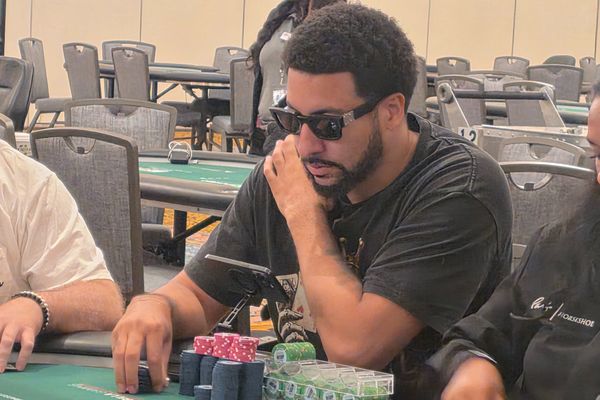
Brennen ‘Ladell’ Bryant, a music industry professional from Los Angeles with zero WSOP cashes to his name, found himself among the chip leaders on Day 3 of the $500 COLOSSUS with 49 players remaining and $550,000 up top. The semi-professional grinder who balances 40-50 hours weekly in music publishing with an equal commitment to poker was positioned to make his breakthrough moment count in front of bracelet winners and established pros.
What Happened
The WSOP Event #34: $500 COLOSSUS lived up to its oversized reputation, drawing a massive 16,269 entries and creating a prize pool that would award the eventual champion over half a million dollars. By Monday’s Day 3, the field had been whittled down to just 49 survivors, each guaranteed at least $13,200—a respectable 26x return on the modest buy-in.
Bryant entered the series with modest expectations but serious preparation. After arriving in Las Vegas on Thursday evening, he fired a single entry and navigated through two relatively quiet opening days. His path to the top of the leaderboard didn’t feature the dramatic coolers or hero calls that populate poker highlight reels. Instead, Bryant ground his way forward through standard spots, winning crucial flips and building his stack incrementally without seeing premium hands.
The first two days saw Bryant survive without aces, kings, or queens. He constructed his stack through disciplined play with one pair and two pair hands, barely completing a straight or flush until the final levels of Day 2. His table on Day 3 included formidable opposition, with two-time bracelet winner Eric Baldwin seated directly to his left—a position that typically spells trouble for less experienced players.
Day 3 brought a shift in fortune. Bryant’s patient approach finally received cooperation from the deck as he flopped multiple sets, picked up aces, and connected with the board more frequently. The combination of improved cards and accumulated experience allowed him to apply pressure and continue building toward a legitimate shot at the final table.
The Poker Strategy Breakdown
Bryant’s deep run in the COLOSSUS showcases several strategic principles that separate survivors from casualties in large-field tournaments. His approach demonstrates how recreational and semi-professional players can compete effectively against seasoned professionals by focusing on fundamentals rather than attempting high-variance heroics.
The most critical element of Bryant’s strategy was his patience during card-dead stretches. Many players, especially those without extensive tournament experience, make the fatal mistake of forcing action when the deck isn’t cooperating. They convince themselves they need to “make something happen” and begin overvaluing marginal holdings or attempting ill-timed bluffs. Bryant avoided this trap entirely, grinding through Days 1 and 2 by playing straightforward poker and allowing his opponents to make mistakes.
This conservative approach during the early stages proved essential. In massive field events like the COLOSSUS, survival is paramount during the opening levels. The blinds are small relative to starting stacks, and there’s no need to accumulate chips quickly. Players who understand this dynamic can wait for genuine opportunities rather than manufacturing marginal edges. Bryant’s willingness to win flips and play small pots kept him in contention until the deck improved.
Another key strategic element was Bryant’s self-awareness regarding his knowledge gaps. He openly acknowledges that he doesn’t have every solver solution memorized and can’t quote GTO frequencies for every spot. This honesty actually serves him well at the table—he’s not trying to execute strategies beyond his skill level or making overly complex plays that invite mistakes. Instead, he focuses on solid fundamentals: position, hand selection, bet sizing, and reading opponents.
Bryant’s background studying poker content, particularly mentioning creators like Hungry Horse Poker, reflects a modern approach to learning the game. Rather than relying solely on books or expensive coaching, he’s absorbed strategy through accessible YouTube content and applied those lessons in his regular sessions at the Lucky Lady card room in Gardena. This combination of study and repetition at his home game created the foundation for his WSOP performance.
Reading The Field & Table Dynamics
One of Bryant’s most impressive qualities was his ability to assess the Day 3 table dynamics and recognize his legitimate chance to reach the final table. This type of situational awareness separates players who merely survive from those who thrive in tournament poker’s later stages.
Drawing a tough table with Eric Baldwin on his immediate left could have intimidated a less confident player. Baldwin’s position meant he would act after Bryant on every hand, allowing him to apply pressure and make Bryant’s decisions more difficult. However, Bryant didn’t allow the presence of established pros to alter his game plan or induce mistakes born from insecurity. He maintained his disciplined approach and trusted his preparation.
Understanding ICM (Independent Chip Model) considerations becomes crucial as fields narrow. With 49 players remaining and significant pay jumps ahead, Bryant needed to balance aggression with survival. Too conservative, and he’d blind down while others accumulated chips. Too aggressive, and he’d risk busting before reaching the final table. His comment about wanting to win the tournament rather than just cash suggests he found the right balance—playing to win while respecting the tournament stage.
Bryant’s recognition that Day 3 represented his moment to strike shows tactical maturity. He understood that with improved cards and a manageable table, he needed to capitalize on favorable conditions. This contrasts with players who maintain the same tight approach throughout a tournament, failing to shift gears when circumstances demand aggression. Bryant’s willingness to apply pressure when holding strong hands and favorable position demonstrates evolving tournament skills.
The 40-minute levels on Day 3 created additional pressure, as the structure accelerates and forces action. Bryant adapted to this faster pace while maintaining composure, suggesting he’s comfortable making decisions under time constraints—a skill developed through his extensive online play at Club WPT Gold and live experience at the Lucky Lady.
How To Apply This To Your Game
Bryant’s COLOSSUS performance offers several actionable lessons for players looking to improve their tournament results, particularly in large-field events where the path to deep runs requires both skill and stamina.
Embrace patience during card-dead stretches: The most important takeaway is Bryant’s ability to survive and maintain his stack without receiving premium hands. In your next tournament, resist the urge to force action when cards aren’t coming. Focus on playing your range correctly from position, and trust that opportunities will emerge. Winning flips and small pots adds up over time, keeping you in contention for when the deck cooperates.
Balance your poker commitment with consistent volume: Bryant’s approach of dedicating 40-50 hours weekly to poker alongside his full-time job demonstrates that semi-professional players can compete at high levels through consistent practice. You don’t need to quit your job to improve—you need structured study time and regular playing sessions. Create a schedule that allows for both learning (watching content, reviewing hands) and application (playing sessions where you implement new concepts).
Play within your knowledge base: Bryant’s honesty about not knowing every solver solution is refreshing and strategically sound. Don’t attempt plays you don’t fully understand just because you saw a high-stakes pro execute them. Master fundamental concepts first: position, hand selection, continuation betting, and pot odds. Advanced strategies become more valuable once you’ve built a solid foundation.
Study accessible content consistently: Bryant credits poker YouTubers for much of his education. Identify quality free or affordable content creators whose teaching style resonates with you, and study their material regularly. Take notes, review key concepts, and actively work to implement new strategies in your sessions. Passive watching won’t improve your game—active learning with deliberate practice will.
Recognize when conditions favor aggression: Bryant’s shift on Day 3 when the deck improved shows tactical awareness. In your tournaments, identify when circumstances favor stepping on the gas: you’re getting cards, the table is playing passively, or your stack size demands accumulation. Don’t maintain the same approach throughout—adjust to changing conditions.
Don’t let big names intimidate you: Playing against bracelet winners and established pros can be daunting, but remember they’re playing the same game with the same cards. Maintain your strategy, trust your preparation, and make decisions based on poker fundamentals rather than your opponent’s reputation. Respect their skills without fearing them.
Key Takeaways
- Patience pays in large fields: Bryant survived two days without premium hands by playing disciplined poker and winning standard spots rather than forcing action during card-dead stretches.
- Semi-professional dedication works: Balancing 40-50 weekly hours in both music publishing and poker demonstrates that consistent commitment can produce WSOP-level results without going full-time professional.
- Free content creates real skills: Bryant’s education through poker YouTube channels proves that accessible learning resources can develop competitive tournament players when combined with regular practice.
- Fundamentals beat complexity: Playing solid, straightforward poker within your knowledge base often outperforms attempting advanced plays you don’t fully understand, especially in softer tournament fields.
- Recognize your moment: Bryant’s ability to identify Day 3 as his opportunity to strike shows the importance of reading tournament stages and adjusting aggression accordingly.
- Reputation doesn’t trump strategy: Competing against bracelet winners without intimidation demonstrates the mental fortitude required for deep tournament runs—trust your preparation regardless of opponents’ credentials.
Frequently Asked Questions
How can semi-professional players compete in WSOP events against full-time pros?
Semi-professional players can compete effectively by focusing on solid fundamentals, playing within their knowledge base, and dedicating consistent study time alongside regular playing sessions. Bryant’s approach of balancing 40-50 weekly hours between his career and poker shows that disciplined commitment produces results. Large-field events like the COLOSSUS also feature softer competition than high-roller tournaments, creating opportunities for well-prepared recreational players to navigate deep. The key is avoiding fancy plays beyond your skill level and instead executing fundamental strategy consistently.
What’s the best strategy for surviving card-dead periods in tournaments?
During card-dead stretches, focus on survival rather than forcing action. Play tight from early position, expand your range slightly from late position when the action folds to you, and look for spots to win small pots rather than manufacturing big bluffs. Win your flips when opportunities arise, and trust that the deck will eventually cooperate. Many players bust during card-dead periods by overvaluing marginal hands or attempting ill-timed bluffs out of frustration. Patience and discipline during these stretches separate deep runs from early exits.
How should you adjust your strategy when drawing a tough table with strong players?
When facing strong opposition, maintain your fundamental strategy rather than drastically altering your approach out of intimidation. Focus on position, hand selection, and straightforward play. Avoid attempting complex bluffs against observant professionals who will recognize and exploit them. Instead, value bet your strong hands appropriately and pick your bluffing spots carefully against players showing weakness. Strong players deserve respect but not fear—they’re playing the same game with the same probabilities. Trust your preparation and make decisions based on poker logic rather than opponent reputation.
Final Thoughts
Brennen Bryant’s deep run in the WSOP COLOSSUS represents more than just a personal breakthrough—it’s a blueprint for how dedicated semi-professional players can compete at poker’s highest level. His journey from learning the game as a child to grinding at the Lucky Lady while working full-time in music publishing demonstrates that success in tournament poker doesn’t require abandoning your career or investing in expensive coaching. It requires consistent commitment, honest self-assessment, and disciplined execution of fundamental strategy.
What makes Bryant’s story particularly compelling is his authenticity. He’s not claiming to have mastered every solver solution or memorized complex GTO strategies. Instead, he’s focused on playing solid poker within his knowledge base, studying accessible content, and putting in volume both online and live. This approach is replicable for any serious player willing to dedicate the time and effort. Whether Bryant ultimately won the COLOSSUS or fell short of the final table, his performance proves that the modern path to poker success doesn’t require a single template—it accommodates players who balance poker with other passions and professions.
For aspiring tournament players, Bryant’s run offers encouragement and a practical roadmap. Study consistently, play regularly, trust your preparation, and don’t let intimidating opponents or card-dead stretches derail your strategy. The next time you sit down for a major tournament, remember that the music executive from LA who had never cashed at the WSOP found himself battling bracelet winners for a six-figure score—not through luck alone, but through preparation meeting opportunity.
Ready to Sharpen Your Poker Game?
Master your poker game with expert hand analysis