Mental Fatigue in Poker Tournaments: 5 Warning Signs
Extended poker tournaments drain your mental energy faster than you realize, and exhaustion manifests in predictable strategic errors. Recognizing the subtle shifts in your decision-making process during marathon sessions can mean the difference between a deep run and an early exit.
What Happened
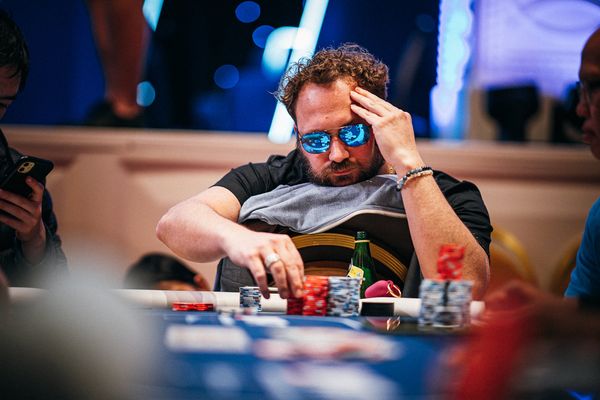
Tournament poker demands sustained mental sharpness across sessions that can stretch from twelve hours to multiple days. The World Series of Poker and similar major tournament series create a unique pressure cooker environment where players compete in back-to-back events, often playing several tournaments simultaneously while managing the emotional swings of variance.
Professional players understand that physical stamina matters, but mental fatigue presents a more insidious challenge. Unlike obvious physical exhaustion, cognitive fatigue creeps in gradually, degrading your decision quality while you remain convinced you’re playing your A-game. The brain starts taking shortcuts, pattern-matching without proper analysis, and reverting to autopilot responses that skilled opponents can exploit.
What separates winning tournament players from the rest isn’t just technical knowledge—it’s the ability to recognize when mental fatigue is compromising their edge and adjust accordingly. This skill becomes particularly crucial during extended tournament series where the cumulative stress of variance, long hours, and repeated tough decisions compounds day after day.
The Poker Strategy Breakdown
Mental fatigue affects poker strategy in specific, measurable ways. Understanding these patterns helps you identify when exhaustion is making decisions for you instead of sound strategic thinking.
Hand Selection Deterioration: Fresh players apply rigorous opening standards that account for multiple variables—position, effective stacks, player tendencies, and table dynamics. As fatigue sets in, this multi-factor analysis collapses into binary thinking: “This hand looks decent, I’ll play it.” You stop asking whether K9o is profitable from the hijack against these specific opponents and start simply noticing it’s a king and a nine. This regression to simplified decision-making happens so gradually that you don’t notice you’re opening hands you would have folded hours earlier.
The psychological mechanism behind this shift involves decision fatigue. Your brain has made hundreds of decisions already, and each additional choice depletes your mental resources. To conserve energy, your mind starts relying on heuristics and gut feelings rather than comprehensive analysis. In poker, this manifests as playing more hands with less thought behind each decision.
Situational Awareness Collapse: Competent tournament play requires constant environmental scanning. Before entering any pot, you should note the stack sizes to your left, identify who might be looking for a spot to move in, and adjust your range accordingly. Fatigued players tunnel vision on their own cards and the immediate action, losing peripheral awareness of the broader tactical situation.
This isn’t just about missing that the button has 12 big blinds and will shove over your raise. It extends to losing track of who’s been active, who’s tightened up, what image you’ve established, and how the table dynamic has shifted over the last orbit. All this contextual information that informs optimal strategy simply falls out of your working memory when you’re running on fumes.
Decision Pattern Recognition: One of the most revealing signs of fatigue is when all marginal spots start resolving the same way. Tournament poker presents countless close decisions where multiple options have similar expected value. When you’re sharp, you weigh each situation individually and arrive at varied conclusions based on specific factors.
Under fatigue, you develop a default response to uncertainty. Some players become risk-averse, folding all close spots to “wait for a better opportunity.” Others become gamblers, calling or raising in every marginal situation because they’re frustrated with card-dead stretches. Neither approach represents actual strategy—it’s your exhausted brain choosing the path of least resistance rather than doing the difficult work of genuine analysis.
Aggression Calibration Failure: Sophisticated tournament play requires calibrating your aggression level to the specific opponent and situation. Against loose-passive players who call too much, you value bet thin and avoid bluffs. Against tight players who fold too often, you increase bluff frequency and thin value bets become marginal.
Fatigue destroys this calibration. Players often retreat to their comfort zone—either pure aggression or pure caution—regardless of whether the situation calls for it. You stop asking “What does this specific opponent’s range look like given their actions?” and start defaulting to “I’ll just play my hand straightforwardly” or “I’ll just apply maximum pressure.”
Bluff Frequency Degradation: Balanced poker requires bluffing at appropriate frequencies to keep opponents guessing. This demands mental energy because bluffing is inherently uncomfortable—you’re risking chips with the worst hand. When fresh, you execute necessary bluffs because you understand their strategic importance. When exhausted, the emotional cost of bluffing feels too high, and you start taking the easier path of only betting when you have something.
This shift often happens with specific actions first. Check-raises become calls. Three-bets become calls. Four-bet bluffs disappear entirely. You rationalize these adjustments as “reducing variance” or “playing more solid,” but you’re actually making yourself completely exploitable to observant opponents who notice you’ve stopped applying pressure.
Reading The Field & Table Dynamics
Understanding your own fatigue patterns matters, but recognizing exhaustion in opponents creates exploitable opportunities. Tournament series create predictable fatigue patterns you can leverage.
Players deep in multi-day events show obvious physical signs—slumped posture, slower actions, decreased table talk. But the strategic tells are more valuable. Watch for opponents who were selectively aggressive early in the tournament but have become either entirely passive or recklessly aggressive. These players have lost their calibration.
The tournament stage amplifies fatigue effects. During Day 1, most players maintain discipline because they’re fresh and the field is large. By Day 3, when the money bubble approaches or you’re near a final table, fatigue-induced errors multiply. Players who’ve been grinding for 20+ hours across multiple days start making mistakes they’d never make in fresh conditions.
ICM pressure combined with fatigue creates particularly exploitable situations. Exhausted players near the bubble often become overly risk-averse, folding profitable spots because they can’t properly calculate ICM implications while mentally drained. Conversely, some fatigued players become ICM-insensitive, making high-variance plays because they’ve lost the mental energy to consider pay jump implications.
Table dynamics shift as the field fatigues collectively. Early in tournaments, you see more creative plays, more three-betting, more sophisticated lines. Late in multi-day events, play often becomes more straightforward as the entire table struggles with decision fatigue. Recognizing this shift allows you to exploit predictable patterns—if everyone’s playing fit-or-fold, you can profitably increase aggression.
Pay attention to players who’ve been playing multiple events. Someone playing their fifth tournament in six days carries accumulated fatigue that affects their current performance. These players often exhibit the warning signs discussed earlier, creating opportunities for observant opponents to exploit their degraded decision-making.
How To Apply This To Your Game
Recognizing fatigue is valuable only if you act on that recognition. Here are concrete steps to protect your edge when mental energy depletes.
Implement Pre-Decision Checklists: When you notice fatigue setting in, revert to explicit checklists before acting. Before opening a hand, literally ask yourself: “Would I have played this hand this way at the start of the session?” Before calling a raise, force yourself to look left and identify stack sizes. These deliberate prompts counteract your brain’s tendency to take shortcuts.
Schedule Strategic Breaks: Don’t wait until you’re completely exhausted to take breaks. Set predetermined intervals—every two hours, every three blind levels—where you step away from the table for ten minutes. Use this time to walk, get fresh air, or simply close your eyes. These brief resets can significantly extend your mental endurance.
Tighten Ranges Consciously: If you recognize you’re fatigued but must continue playing, deliberately tighten your opening ranges and calling ranges. This isn’t optimal poker, but it’s better than playing your normal ranges with degraded decision-making on later streets. You’re accepting a slightly lower win rate to avoid major mistakes.
Avoid Complex Spots: When exhausted, steer away from situations that create difficult multi-street decisions. This means fewer speculative calls, fewer thin three-bets with hands like suited connectors, and more straightforward value-focused play. You’re temporarily reducing your strategic complexity to match your reduced mental capacity.
Monitor Your Defaults: Keep a mental note of close decisions and how you resolved them. If you notice you’ve folded five marginal spots in a row, or called five marginal spots in a row, that pattern recognition should trigger alarm bells. Force yourself to break the pattern on the next close decision, or recognize you’re too fatigued to play optimally and consider leaving the tournament.
Track Session Length: Know your personal endurance limits. Some players maintain their edge for eight hours, others for twelve. Track your performance relative to session length and identify when your win rate deteriorates. Once you know your limit, you can make informed decisions about which tournaments to enter and when to skip events to preserve mental freshness.
Exploit Fatigued Opponents: When you’re relatively fresh at a table of exhausted players, increase your aggression selectively. Target players showing fatigue signs—those playing too many hands, those who’ve become overly passive, those making timing tells that suggest they’re not thinking deeply. Your edge multiplies when you’re sharp and they’re not.
Key Takeaways
- Mental fatigue manifests as loosened opening standards, where you start playing hands based on surface appeal rather than comprehensive strategic analysis including position, stack sizes, and opponent tendencies
- Exhausted players lose situational awareness, failing to check stack sizes to their left and missing critical environmental factors that should influence their decisions
- A warning sign of fatigue is when all marginal decisions start resolving the same way—either always folding or always gambling—indicating your brain is using defaults rather than analyzing each situation individually
- Fatigue causes players to replace aggressive actions with passive ones, turning check-raises into calls and three-bets into calls, eliminating bluffing frequency and becoming exploitable
- Implementing pre-decision checklists and taking scheduled breaks can extend your mental endurance and protect your edge during long tournament sessions
- Recognizing fatigue in opponents creates exploitable opportunities, particularly in multi-day events where accumulated exhaustion degrades decision quality across the field
Frequently Asked Questions
How can I tell if I’m too tired to play poker profitably?
Monitor specific behavioral changes rather than relying on how you feel. If you notice you’re opening hands you normally wouldn’t, failing to check stack sizes before acting, or resolving all close decisions the same way, these are concrete indicators that fatigue is compromising your strategy. Additionally, if you find yourself unable to recall recent hands or losing track of opponents’ playing styles, your working memory is overloaded. The most reliable test is asking yourself before each decision: “Would I make this exact play if I were fresh at the start of a session?” If the honest answer is no, you’re too tired to maintain your edge.
Should I tighten my ranges when I’m fatigued or maintain my normal strategy?
Deliberately tightening your ranges when fatigued is the correct adjustment. While this reduces your theoretical win rate compared to playing optimally, it prevents catastrophic mistakes that occur when you play speculative hands and face difficult multi-street decisions with diminished mental capacity. Focus on straightforward value hands that play well post-flop without requiring complex analysis. This approach accepts a small edge reduction to avoid major errors. However, the better solution when possible is to simply avoid playing when significantly fatigued, as even tight play suffers when you can’t properly read opponents or adjust to table dynamics.
How do professional players maintain mental stamina during long tournament series?
Elite tournament players treat mental endurance as a trainable skill and prioritize recovery between sessions. They maintain strict sleep schedules, limit alcohol consumption, exercise regularly to improve overall stamina, and practice meditation or mindfulness to strengthen focus. Many pros deliberately skip some events during series like the WSOP to ensure they’re fresh for their best games or the most important tournaments. They also use breaks strategically during play, stepping away from the table every few hours even when not required. Additionally, professionals develop pre-decision routines that help maintain consistency even when tired, and they’re ruthlessly honest with themselves about when fatigue has eroded their edge enough that continuing to play becomes unprofitable.
Final Thoughts
Mental fatigue represents one of the most underestimated factors in tournament poker performance. While players obsess over hand ranges, ICM calculations, and bet sizing, they often ignore the cognitive deterioration that undermines all strategic knowledge. The cruel irony is that fatigue impairs your ability to recognize you’re fatigued—you genuinely believe you’re thinking clearly even as your decision quality crumbles.
The most successful tournament players aren’t necessarily those with the most sophisticated strategies. They’re the ones who recognize their mental limits, manage their energy across long series, and maintain the discipline to play only when they can execute their strategy properly. In a field where everyone knows fundamentally sound poker, the edge often comes from being the freshest mind at the table rather than the most knowledgeable.
Developing awareness of your personal fatigue patterns transforms this liability into an asset. Track how your play changes across session length, identify your warning signs, and build systems that compensate for cognitive depletion. Equally important, learn to recognize exhaustion in opponents and adjust your strategy to exploit their predictable errors. Tournament poker is as much an endurance sport as a mental game—treat it accordingly.
Ready to Sharpen Your Poker Game?
Master your poker game with expert hand analysis