

Mizrachi’s PLO Dominance: Defending Champ Leads $10K WSOP
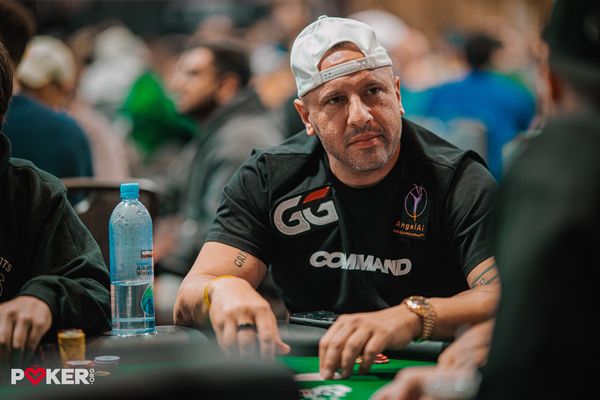
Michael ‘The Grinder’ Mizrachi isn’t wasting time defending his world championship crown. Fresh off his 2025 Main Event triumph, the Florida pro has seized control of the $10K Pot-Limit Omaha Championship, bagging the chip lead through two full days of play and positioning himself for another deep WSOP run.
What Happened
The 2026 WSOP’s $10K PLO Championship attracted a robust field of 836 entries, generating a prize pool worth over $7.8 million. After two grinding days of action, just 37 players remain in contention for the $1,350,203 first-place prize.
Leading the survivors is none other than reigning world champion Michael Mizrachi, who accumulated 5.6 million chips—translating to a commanding stack of more than 220 big blinds heading into Day 3. His nearest competitor, India’s Zurvan Tumboli, trails with 3.7 million, while two-time bracelet winner Jesse Lonis sits third with approximately 3 million chips.
The remaining field reads like a who’s who of poker excellence. Former WSOP Main Event champion Ryan Riess is still in the hunt, alongside WPT World Champion Dan Sepiol. Recent 2026 WSOP bracelet winners Kristen Foxen and Joe Liberta are also among the contenders, joined by accomplished pros including Toby Joyce, Ian Matakis, Martin Zamani, and a constellation of other bracelet holders.
Notably absent from the Day 3 roster are Phil Ivey, Phil Hellmuth, Martin Kabrhel, and Nick Schulman—all of whom entered during the late registration period but failed to survive Saturday’s action. The tournament will resume with blinds at 10K/25K, playing down to a final five players before bagging for the next day.
The Poker Strategy Breakdown
Mizrachi’s approach to building and maintaining his chip lead offers valuable insights into high-level tournament PLO strategy. Unlike No-Limit Hold’em, where a big stack can apply relentless pressure through large all-in shoves, Pot-Limit Omaha requires more nuanced aggression due to betting caps and the game’s intrinsic variance.
With a stack exceeding 220 big blinds, Mizrachi can deploy what’s known as “controlled aggression”—applying pressure through pot-sized bets while maintaining sufficient depth to withstand the inevitable swings. In PLO, hand equities run much closer than in Hold’em, meaning even premium starting hands rarely hold more than 60-65% equity against reasonable opposition. This dynamic makes stack preservation crucial, even for chip leaders.
The Grinder’s late arrival to Day 2 action—showing up after play had already begun—demonstrates the confidence that comes with deep-stack tournament experience. This wasn’t recklessness; it was calculated risk management. Missing the early blind levels when holding a substantial stack costs relatively little in chips but can provide mental freshness and focus for the critical middle and late stages when pots balloon and elimination bubbles approach.
In PLO tournaments at this stage, position becomes even more critical than in Hold’em. The ability to see opponents’ actions before committing chips to multi-street pots provides enormous strategic advantage. With 37 players remaining and pay jumps becoming increasingly significant, expect to see Mizrachi leveraging his chip lead primarily from late position, where he can apply maximum pressure with minimum risk.
Hand selection also shifts dramatically as tournament PLO progresses. Early in tournaments, speculative hands with strong runout potential—double-suited connectors, for instance—play well because they can flop powerful draws with implied odds. But as stacks shallow relative to blinds and antes, premium starting hands with strong high-card value and nut-making potential increase in importance. Hands like A-A-K-K double-suited or A-A-J-10 double-suited become premium weapons for applying pressure.
Reading The Field & Table Dynamics
The remaining player pool presents Mizrachi with a fascinating mix of playing styles and skill levels. Jesse Lonis, sitting third in chips, is known as a fearless high-stakes cash game crusher who transitions seamlessly to tournament play. His willingness to make bold moves and trust his reads makes him particularly dangerous in PLO, where blockers and range construction become exponentially more complex than Hold’em.
Zurvan Tumboli, Mizrachi’s closest pursuer, carries approximately $1.1 million in career tournament earnings. A top-two finish here would represent a career-defining score, which creates interesting psychological dynamics. Players in this position sometimes tighten up to protect their stack and secure a big payday, but they can also play with the freedom that comes from already being deep in a major event. How Tumboli navigates this mental game could determine whether he mounts a serious challenge to Mizrachi’s lead.
The presence of multiple bracelet winners throughout the remaining field means Mizrachi cannot simply bully his way to victory. Players like Toby Joyce, Martin Zamani, and Ian Matakis—each sitting on approximately 1.5 million chips—have proven they can close out major tournaments. They understand ICM considerations, know when to apply pressure, and won’t be easily intimidated by a big stack.
Kristen Foxen’s presence adds another dimension. Already a 2026 bracelet winner this summer, she’s playing with confidence and momentum. Female pros competing in high-stakes mixed fields often face opponents who make the mistake of underestimating them—an error that can prove costly in PLO, where a single misread can result in stacking off.
With 37 players remaining and payouts locked in at $37,000, the next major bubble comes at nine players, where six-figure prizes begin. This creates a natural inflection point where medium stacks face critical decisions: accumulate chips to compete for the title, or preserve stack to slide into bigger money? Mizrachi’s chip position allows him to attack these medium stacks mercilessly, forcing them into uncomfortable spots where mistakes become likely.
How To Apply This To Your Game
Whether you’re playing online PLO tournaments or live events at your local card room, several lessons from Mizrachi’s performance translate directly to improving your results.
First, understand that chip accumulation in PLO requires patience and selectivity. The game’s variance means you’ll frequently flop strong draws that miss, or make strong hands that get outdrawn. Successful PLO tournament players accept this reality and focus on making +EV decisions over large sample sizes rather than results-oriented thinking about individual hands.
Second, leverage your stack effectively based on position and table dynamics. When you’ve built a big stack, don’t squander it through loose play. Instead, use it as a weapon to attack specific opponents in specific situations—particularly targeting medium stacks on pay jump bubbles, or short stacks in late position who are likely to be looking for spots to double up.
Third, pay attention to blockers more carefully in PLO than you might in Hold’em. Holding the ace of a suit when three of that suit appear on the board doesn’t just give you the nut flush—it also blocks opponents from having it, which dramatically changes the strategic calculus of betting and bluffing. Advanced PLO players constantly consider which cards they hold that block opponent nutted hands.
Fourth, recognize that PLO tournaments reward players who can shift gears effectively. Early stages favor speculative hands and set-mining. Middle stages require tighter ranges and more selective aggression. Late stages and final tables demand maximum aggression with premium holdings and careful ICM consideration with marginal ones.
Finally, don’t underestimate the importance of mental game and energy management. Mizrachi’s decision to arrive late on Day 2 wasn’t cavalier—it was strategic. Tournament poker requires sustained focus over many hours, and managing your mental energy can be as important as managing your chip stack.
Key Takeaways
- Michael Mizrachi leads 37 remaining players in the $10K PLO Championship with 5.6 million chips, more than double his nearest competitor
- The remaining field includes multiple bracelet winners and world champions, making this no easy path to victory despite Mizrachi’s chip advantage
- PLO tournament strategy requires controlled aggression and careful hand selection as stacks shallow and pay jumps increase
- Position and blockers become increasingly critical in PLO as tournaments progress, especially with deep stacks and skilled opposition
- ICM pressure at major pay jumps creates opportunities for big stacks to accumulate chips by targeting medium stacks in uncomfortable spots
- Mental game and energy management matter as much as technical poker skill in multi-day tournament events
Frequently Asked Questions
Why is Pot-Limit Omaha more volatile than No-Limit Hold’em?
PLO features four hole cards instead of two, creating dramatically more hand combinations and closer equity distributions. Even premium hands rarely dominate opponents the way they can in Hold’em. This means more hands go to showdown with relatively close equity, producing greater short-term variance even as skilled players maintain long-term edges through superior hand selection and post-flop play.
How should you adjust PLO tournament strategy with a big chip lead?
Big stacks in PLO tournaments should focus on controlled aggression rather than reckless bullying. Apply pressure selectively from late position, target medium stacks on pay bubbles, and avoid unnecessary confrontations with other big stacks. Maintain your stack depth to weather variance while using your chips as a weapon in spots where opponents face difficult ICM decisions.
What makes Michael Mizrachi such a successful tournament player?
Mizrachi combines deep technical knowledge with exceptional mental game and decades of high-stakes experience. He’s known for making bold moves when holding chip leads, maintaining composure during downswings, and reading opponents accurately in critical spots. His four WSOP Player of the Year titles and multiple bracelet wins across various poker formats demonstrate his versatility and sustained excellence.
Final Thoughts
Michael Mizrachi’s commanding position in the $10K PLO Championship represents more than just another deep tournament run—it’s a statement that his 2025 Main Event victory was no fluke. The world’s best players don’t win major titles by accident, and they don’t maintain chip leads through two days of elite competition without possessing genuine skill edges.
What makes this particular tournament fascinating is the caliber of opposition still standing between Mizrachi and bracelet glory. With players like Jesse Lonis, Ryan Riess, Kristen Foxen, and Dan Sepiol still in contention, the remaining days of play promise high-level poker strategy and dramatic confrontations. PLO’s inherent variance means anything can happen, but Mizrachi’s experience closing out major tournaments with chip leads gives him a psychological edge that’s difficult to quantify but impossible to ignore.
As Day 3 unfolds and the field plays down to five players, watch for how the chip leader navigates the increasing ICM pressure. The decisions made in the next session will likely determine whether we witness another Mizrachi coronation or see a new champion emerge from the chasing pack. Either way, students of tournament poker strategy have much to learn from analyzing how this elite field approaches the critical middle stages of a major championship event.
Ready to Sharpen Your Poker Game?
Master your poker game with expert hand analysis
