5 Tournament Leaks Costing You Stacks (And How to Fix Them)
Tournament poker punishes mistakes harder than cash games, yet players repeatedly make the same costly errors that turn winning sessions into early exits. Understanding these five critical leaks—and knowing when to exploit them in others—can be the difference between bagging chips and heading to the rail frustrated.
What Happened
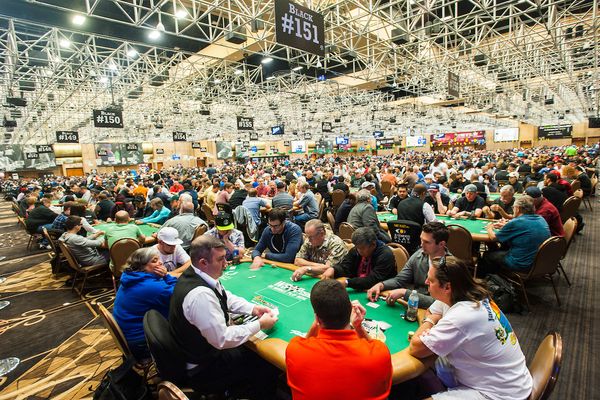
Major tournament series expose strategic weaknesses that might go unnoticed in smaller fields or cash games. The combination of long sessions, mounting fatigue, and increasingly skilled player pools creates a perfect storm where fundamental errors get magnified. While solver-based study has improved the average player’s preflop game, postflop decision-making under pressure remains a minefield of exploitable mistakes.
These aren’t obscure theoretical errors—they’re practical leaks that show up repeatedly at every major tournament stop. From overcalling aggressive lines to letting emotions dictate river decisions, these mistakes share a common thread: players prioritizing what their hand looks like over what their opponent’s action represents. The best tournament grinders recognize these patterns in themselves and ruthlessly exploit them in others.
The Poker Strategy Breakdown
The Triple Barrel Trap
Solver outputs have convinced many players that calling down with medium-strength hands is mandatory in balanced play. The problem? Most live tournament opponents aren’t balanced. When someone fires three streets, especially in deeper-stacked situations, they’re heavily weighted toward value hands.
Consider a typical scenario: you hold top pair, decent kicker on a relatively static board. Your opponent bets flop, turn, and fires a chunky river bet. GTO might say call with certain blockers, but population tendencies scream fold. The recreational player who drove in for the tournament isn’t triple-barreling air with sufficient frequency to make your marginal hand profitable.
The key distinction lies in opponent profiling. Against an aggressive regular who’s shown creative lines and appears tilted? Your calling range can expand. Against the steady player who’s been waiting for premium hands? That top pair becomes an easy fold, regardless of how pretty it looks.
Multiway Pot Aggression Misreads
This leak costs stacks with alarming regularity. Picture this: four players see a flop, you continuation bet with top pair, and someone pops it. What does that raise represent? In theory, it could include semibluffs and thin value raises. In practice, against most opponents, it’s overwhelmingly strong.
The population drastically underbluffs in multiway pots. There’s a psychological barrier to raising multiple opponents without a genuinely powerful hand. Players fear looking foolish when called in multiple spots, so they wait for legitimate strength before applying pressure.
This dynamic allows for extremely thin bet-folds. Leading out with a decent but not spectacular holding becomes profitable when you can release it to aggression. You’re not being weak—you’re being exploitative. Save your chips for spots where your hand actually rates to be good against an opponent’s range, not just against the deck.
Emotional River Calls
Deep into a tournament series, fatigue and frustration accumulate. You’ve been coolered twice, run down once, and now you’re betting a set through three streets only to face a river shove. Logic says your opponent hit their straight or was trapping with a bigger set. Emotion says you’re not getting bluffed again.
This is where discipline separates profitable players from those who flame out. The pot is large, your hand is strong in absolute terms, but what matters is range versus range. Most players simply cannot turn mediocre hands into river bluffs with sufficient frequency. They check-call or check-fold instead.
When someone does raise the river, especially for a significant amount, they’re almost always polarized toward the top of their range. Calling because you’re frustrated about previous hands is lighting money on fire. Each decision exists in isolation—past results don’t change current math.
The “Pot’s Big Enough” Fallacy
After taking a bad river beat or getting bluffed in a memorable hand, players overcorrect. They start checking back rivers with clear value hands, convincing themselves the pot is already substantial enough. This is backwards thinking that leaves massive EV on the table.
Until you’ve accumulated every chip in the tournament, there’s no such thing as a pot being big enough. If you likely have the best hand and worse hands will call, betting is mandatory. The fear of being check-raised shouldn’t paralyze you into checking back obvious value.
Many opponents treat river calls as obligatory—they’ll hold cards over the muck and say “I have to see it” before calling anyway. Excellent. Bet and let them satisfy their curiosity while building your stack. The goal isn’t avoiding all tough spots; it’s maximizing EV across all spots.
Playing Through Burnout
Perhaps the most insidious leak is failing to recognize when you’re mentally fried. Tournament series create pressure to play every event, maximize volume, and never miss an opportunity. But playing while burned out is worse than not playing at all.
Warning signs include: thinking negatively about every situation, making frustrated calls instead of disciplined folds, missing value bets out of fear, and feeling dread rather than excitement when cards are dealt. These symptoms indicate your decision-making is compromised.
The solution isn’t powering through—it’s stepping away. Whether that means a day by the pool, a hike, or simply sleeping in and skipping an event, recovery is an investment in future performance. You’ll make better decisions fresh in one tournament than exhausted in three.
Reading The Field & Table Dynamics
Exploitative adjustments require accurate opponent modeling. In tournament poker, this means constantly updating reads based on observable behavior rather than assuming everyone plays like a solver.
Pay attention to showdown hands. When players show down after aggressive lines, note what they had. If someone triple-barrels and shows the nuts, that’s data. If they show a bluff, that’s different data. Build a mental database of how specific opponent types construct their ranges.
Table dynamics shift throughout a tournament. Early on, players tend to be more straightforward—they’re building stacks and avoiding marginal spots. As blinds escalate and stacks get shallower, aggression increases and ranges widen. But even then, certain player types remain predictable in their aggression patterns.
ICM considerations amplify these leaks. Near the bubble or at final tables, the pressure to avoid mistakes intensifies. This makes some players even more straightforward with their aggression, while others become overly cautious. Identify which camp your opponents fall into and adjust accordingly.
Stack sizes matter tremendously. With 100+ big blinds, players can afford to be creative and apply pressure. With 20-30 big blinds, ranges tighten and aggression becomes more value-weighted. Don’t apply the same calling standards across all stack depths—adjust based on what ranges look like at different effective stacks.
How To Apply This To Your Game
Start by auditing your own tendencies. Review hands where you called down aggressive lines—how often was your opponent bluffing versus value-betting? If you’re calling triple barrels and losing more than 60% of the time, you’re overcalling against your specific player pool.
In multiway pots, implement a strict bet-fold strategy with marginal hands. When you continuation bet and face a raise with multiple players involved, default to folding unless you have strong evidence your opponent is capable of bluffing in this spot. Track these situations and note how often raisers show up with legitimate hands.
Create emotional circuit breakers. Develop a pre-decision checklist for river spots: What does this line represent? What hands would my opponent play this way? Am I calling because I think I’m good or because I’m frustrated? If the honest answer is frustration, find the fold button.
For value betting, flip the script on “pot’s big enough” thinking. Instead, ask: “Is there a worse hand that might call?” If yes, bet. The size of the existing pot is irrelevant—what matters is whether additional bets have positive expectation. Don’t let fear of check-raises prevent you from extracting value.
Schedule mandatory rest days during extended series. Treat them like any other tournament investment—you’re paying the entry fee of missing one event to perform better in subsequent events. Monitor your mental state honestly and pull the plug before you’re completely fried.
Key Takeaways
- Most live tournament players don’t triple-barrel bluff with sufficient frequency—fold top pair to three-street aggression unless you have specific reads suggesting otherwise
- Raising ranges in multiway pots are heavily weighted toward strong hands for most opponents, making thin bet-folds with decent holdings highly profitable
- River raises almost always indicate strength in typical player pools; calling because you’re frustrated about previous hands is a critical leak that compounds losses
- Never check back clear value on rivers out of fear—if worse hands can call, betting is mandatory regardless of pot size
- Playing while mentally exhausted costs more than taking a day off; recognize burnout symptoms and prioritize recovery over volume
- Exploitative adjustments based on opponent tendencies trump solver-based strategies against most live tournament fields
Frequently Asked Questions
How do I know if my opponent is capable of triple-barrel bluffing?
Look for evidence of creative play in other hands—have they shown down bluffs, made unusual lines, or demonstrated aggression in marginal spots? Also consider their emotional state: frustrated players bluff more frequently than content ones. If you haven’t seen evidence of sophisticated aggression, default to assuming their three-street betting line is value-heavy.
Should I ever raise in multiway pots as a bluff?
Yes, but sparingly and against opponents capable of folding. The key is that most players underbluff in these spots, creating an exploitable imbalance. If you’re playing against observant opponents who notice you only raise multiway with the nuts, you can occasionally add bluffs. Against typical opponents, focus on exploiting their tendency to only raise with strength.
What’s the best way to recover from tournament burnout?
Complete disconnection from poker is most effective. Avoid watching streams, studying, or discussing hands. Physical activity, time in nature, quality sleep, and engaging in non-poker hobbies help reset your mental state. Even one full day of genuine rest can dramatically improve decision-making quality when you return to the tables.
Final Thoughts
Tournament poker rewards players who can identify and exploit population tendencies while avoiding these same leaks in their own game. The gap between theoretical optimal play and practical exploitative play is where edges are built. While solvers provide valuable baselines, they can’t account for the specific tendencies of your opponents or your own mental state.
The most expensive mistakes aren’t the occasional bad beats or coolers—those are unavoidable. The real cost comes from systematic leaks that compound over time: overcalling aggressive lines, misreading multiway pot dynamics, making emotional river decisions, missing value out of fear, and playing while mentally compromised. Each of these errors alone might cost you a few big blinds, but together they transform winning players into break-even ones.
Successful tournament players maintain ruthless honesty about their own tendencies while staying observant about others. They know when to deviate from GTO based on opponent profiles, and they know when to step away from the tables entirely. Master these adjustments, and you’ll find yourself bagging chips while others are wondering where their stack went.
Ready to Sharpen Your Poker Game?
Master your poker game with expert hand analysis