When Table Talk Fails: Jamie Gold’s WSOP Main Event Exit
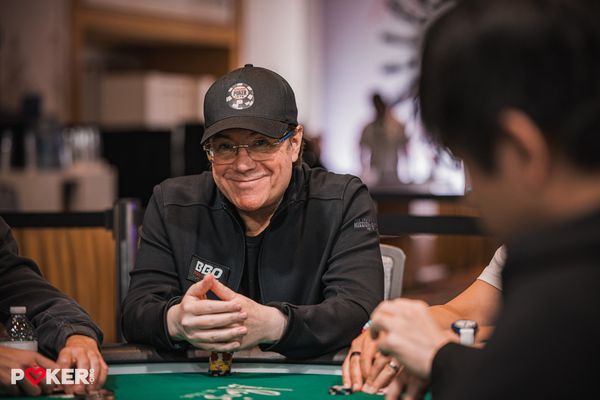
Jamie Gold’s legendary table talk couldn’t save him on Day 1C of the 2026 WSOP Main Event, as the 2006 champion fell to rising star Jourdan Baptiste in a cruel reversal of fortune. Twenty years after his record-breaking $12 million score, Gold discovered that transparency at the poker table rarely pays dividends in modern tournament poker.
What Happened
Day 1C of the 2026 WSOP Main Event drew 1,573 entries at Paris Las Vegas, making it the largest opening flight so far—though still trailing 2025’s pace. The Saturday session fell on July 4th weekend, with many American pros like Daniel Negreanu opting to skip the day for Independence Day celebrations and planning their Main Event debuts for Sunday’s Day 1D instead.
Jamie Gold wasn’t among those taking the day off. The 2006 Main Event champion arrived ready to commemorate the 20th anniversary of his legendary victory, but his run ended in dramatic fashion against Baptiste, a vocal and active player who proved Gold had finally met his verbal match.
The pivotal confrontation came late in the day. Gold picked up pocket aces and opened to 1,200. Baptiste, holding pocket queens, three-bet to 4,500. Gold four-bet to 20,000 while providing what can only be described as a roadmap to his hand strength.
“My gift to you, 20K,” Gold announced. “If that doesn’t tell you what I have, I can’t help you.” After Baptiste called to see the flop, Gold continued his commentary: “I have the best hand… I’m not bluffing. You’re definitely behind, I’m just trying to be nice.”
Baptiste folded, and Gold admitted, “On Day 1 of the Main Event I’d rather you fold actually”—a statement that reveals just how much Gold’s approach has shifted from his aggressive 2006 style.
The poker gods had other plans. Later in the day, Gold moved all-in with ace-king on a favorable flop, only to discover Baptiste had woken up with pocket aces. This time, no amount of table talk could change the outcome. Gold tried delaying tactics—standing up, removing his microphone, wishing everyone luck—but the cards didn’t cooperate. Baptiste’s stack swelled to 270,000 while Gold headed to the rail.
Yulian Bogdanov finished Day 1C as chip leader with 315,000, while Baptiste bagged 281,600. Other notable survivors included Justin Arnwine (280,600), Freddy Deeb (267,800), Brian Hastings (178,100), and Josh Arieh (158,100). Former WSOP Europe champion Annette Obrestad also advanced with 44,200.
The Poker Strategy Breakdown
Gold’s approach in the aces-versus-queens hand represents a fundamental strategic error that many amateur players make: giving away too much information while believing they’re being clever. Let’s dissect what went wrong.
When Gold four-bet to 20,000 and immediately started narrating his hand strength, he eliminated any possibility of getting value from worse hands. His statement “If that doesn’t tell you what I have, I can’t help you” is literally correct—he’s announcing a premium holding, likely aces or kings. This removes all ambiguity and forces opponents into straightforward decisions.
The problem with extreme transparency is that it only works when opponents make mistakes despite having perfect information. In 2006, Gold’s table talk created confusion and doubt. Players questioned whether his chattiness indicated strength or weakness. Two decades later, the poker population has evolved. Modern players understand that someone broadcasting their hand strength on Day 1 of the Main Event is playing scared money.
Gold’s admission that “I’d rather you fold actually” confirms he’s prioritizing chip preservation over accumulation. This is backwards thinking for Day 1 tournament poker. With 60,000 starting stacks and slow blind structures, the Main Event rewards calculated aggression, not risk aversion.
The correct play with aces in this spot is to four-bet to a size that keeps worse hands in the pot while building it. A four-bet to 12,000-15,000 accomplishes this without the running commentary. If Baptiste calls with queens, you’ve created a situation where you’re likely to stack him. If he folds, you’ve won a decent pot without revealing your strategy.
Gold’s later elimination hand—moving all-in with ace-king—suggests he was experiencing the classic tournament poker trap of playing too tight, then overcompensating by playing too loose when his stack became uncomfortable. This feast-or-famine approach rarely succeeds in modern Main Events where steady accumulation beats home-run swings.
Reading The Field & Table Dynamics
Baptiste’s performance reveals important lessons about table dynamics and player profiling. He correctly identified that Gold’s excessive table talk indicated anxiety rather than strength. When someone is truly confident in their hand, they typically let their betting do the talking.
Baptiste’s willingness to three-bet with queens and call the four-bet shows he understood the dynamic. He recognized that Gold’s transparency made the hand easier to play, not harder. When Gold continued talking on the flop, Baptiste could confidently fold knowing he was beaten—exactly the outcome Gold claimed he wanted, but strategically shouldn’t have.
The reversal in their final confrontation demonstrates how table image works in tournament poker. After establishing himself as the more aggressive, confident player, Baptiste had fold equity when he picked up aces. Gold, having shown weakness throughout the day, couldn’t credibly represent strength when he finally decided to make a stand with ace-king.
This dynamic plays out constantly in Main Events. Players who establish themselves as table captains early—through aggression, confidence, and selective silence—accumulate chips more efficiently than those who telegraph their intentions. Baptiste’s post-game comment that he “caught his groove” after initial nervousness shows he understood the importance of projecting strength regardless of internal feelings.
The broader field dynamics also matter here. Day 1C attracted serious players who skipped July 4th celebrations to play poker. This isn’t a soft recreational field—it’s players who prioritize the Main Event over holiday parties. Gold’s 2006 style, which exploited recreational players’ confusion, doesn’t translate against this competition level.
How To Apply This To Your Game
The primary lesson from Gold’s exit is simple: let your bets tell the story, not your mouth. Table talk can be effective, but only when it creates ambiguity and uncertainty. The moment you start explaining your hand strength, you’re playing with your cards face-up.
In early tournament stages, prioritize building your stack over preserving it. Gold’s admission that he preferred folds with aces reveals a mindset problem. With deep stacks and small blinds, you should want action with premium hands. The risk of losing a big pot is outweighed by the opportunity to double up and create a commanding stack.
Develop a consistent betting strategy that doesn’t vary based on hand strength. If you four-bet aces to 20,000 with commentary but four-bet ace-king to 12,000 silently, observant opponents will exploit this pattern. Standardize your sizings and demeanor across your range.
Pay attention to how opponents respond to pressure. Baptiste’s willingness to three-bet and call the four-bet showed he wasn’t intimidated by Gold’s reputation or table talk. When you encounter opponents who don’t fold to pressure, adjust by value-betting more thinly and bluffing less frequently.
Recognize when your table image is working against you. Gold’s rough WSOP summer and admitted card-dead stretch meant he came to the table defeated. This mindset seeps into your play through bet sizing, timing, and yes, excessive talking. If you’re running bad, focus extra hard on projecting confidence through your actions.
Finally, understand that poker strategy evolves. What worked in 2006 doesn’t necessarily work in 2026. The average Main Event player today has access to solvers, training sites, and years of televised poker. Strategies must adapt or die. Gold’s approach died because he didn’t adapt it to modern conditions.
Key Takeaways
- Excessive table talk that reveals hand strength is almost always -EV in modern tournament poker
- Day 1 of deep-stack tournaments rewards aggression over preservation—you want action with premium hands, not folds
- Consistent bet sizing across your range prevents opponents from reading your hand strength through betting patterns
- Table dynamics favor players who project confidence through actions rather than words
- Running bad creates psychological pressure that leads to strategic errors like playing too tight then overcompensating
- Poker strategy must evolve with the player pool—tactics that worked 20 years ago may be obsolete today
Frequently Asked Questions
Is table talk ever profitable in modern tournament poker?
Table talk can still be profitable, but only when it creates confusion rather than clarity. Ambiguous comments that could indicate either strength or weakness keep opponents guessing. The moment you start explaining your actual hand strength, like Gold did, you’re giving away free information. Effective table talk in 2026 is subtle, inconsistent, and designed to tilt opponents or extract information rather than broadcast your holdings.
Should you play differently on Day 1 of the WSOP Main Event versus later days?
Absolutely. Day 1 features deep stacks relative to blinds, meaning you can take calculated risks to build a commanding stack without risking tournament life on marginal spots. This is the time to play premium hands aggressively for value, not hope opponents fold. As the tournament progresses and stacks get shallower, preservation becomes more important. Gold’s Day 1 strategy of preferring folds with aces is backwards—save that approach for Day 3 or the bubble.
How do you recover from running bad in a tournament series?
The mental game is crucial when running bad. Focus on process over results—make good decisions regardless of outcomes. Avoid discussing your bad luck at the table, as it reveals weakness and affects your image. Take breaks between tournaments to reset mentally. Review hands objectively to distinguish between bad luck and bad play. Consider starting fresh each day rather than carrying previous sessions’ frustration into new tournaments. Gold’s mistake was bringing his rough WSOP summer to the table emotionally, which affected his strategic decision-making.
Final Thoughts
Jamie Gold’s 2026 Main Event exit serves as a masterclass in how not to play premium hands in deep-stack tournaments. His journey from 2006 champion to 2026 Day 1 casualty illustrates poker’s fundamental truth: the game evolves, and players must evolve with it or get left behind.
The contrast between Gold’s transparent, preservation-focused approach and Baptiste’s confident aggression shows where modern tournament poker has gone. Information is currency, and giving it away freely—even with the best of hands—is strategic suicide. Meanwhile, Baptiste’s willingness to apply pressure and trust his reads represents the new generation of players who’ve learned from two decades of poker theory development.
For players looking to succeed in modern Main Events, the lesson is clear: develop a sound strategic foundation, maintain it consistently regardless of results, and let your betting tell the story your mouth shouldn’t. Table talk has its place, but that place is creating doubt and confusion, not providing opponents with perfect information about your hand strength. Gold’s 2006 victory will always be legendary, but his 2026 exit reminds us that resting on past glory doesn’t win chips in today’s game.
Ready to Sharpen Your Poker Game?
Master your poker game with expert hand analysis