Negreanu Navigates Day 1D With Aces at 2026 WSOP Main
Daniel Negreanu rode a timely pocket aces hand to build momentum during Day 1D of the 2026 WSOP Main Event, while Shaun Deeb’s aggressive punt-or-bust strategy backfired into a healthy stack. The massive Sunday flight attracted 4,964 entries, proving that poker’s biggest stage doesn’t need record numbers to deliver championship-caliber drama.
What Happened
Day 1D of the 2026 World Series of Poker Main Event delivered the spectacle that Sunday flights are known for, drawing nearly 5,000 players to the felt. Among the notable names battling through the ten levels were freshly-crowned bracelet winner Daniel Negreanu and the relentless Shaun Deeb, both featured on ESPN’s broadcast tables.
Negreanu, still riding high from capturing his eighth career WSOP bracelet earlier in the series, found himself in a classic Main Event scenario late in the day. Holding pocket aces with approximately 40,000 in chips, he faced Pablo Roman who held king-queen suited. Roman’s three-bet to 4,800 set up a cautious post-flop dance on a queen-high board that checked through to the turn. Negreanu extracted value with a 4,200 bet that Roman called, but the river brought no additional action despite Negreanu’s 11,600 wager going uncalled.
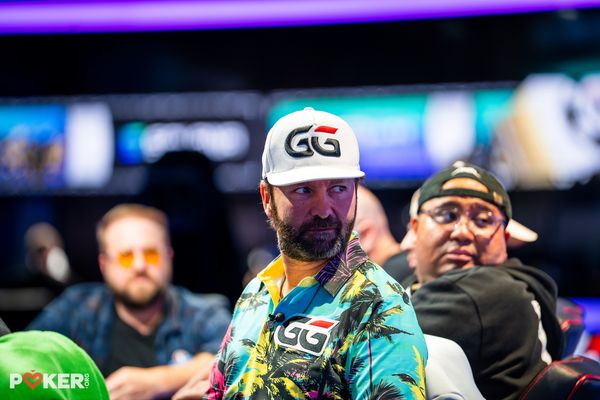
The confidence boost from that hand propelled Negreanu into an ill-fated three-bet bluff against Ben Ludlow moments later. After Ludlow opened to 1,300 with pocket tens, Negreanu squeezed to 6,400 with nine-seven offsuit, only to face a 15,000 four-bet that forced him to surrender. “They always four-bet me,” Negreanu admitted at the table, acknowledging his reputation makes such moves less effective than when executed by players like John Juanda.
Across the featured table area, Deeb was implementing what he described as a deliberate punting strategy. With his sights set on becoming the first back-to-back Player of the Year winner, Deeb openly stated his preference to play twenty shorter events rather than one marathon tournament. His aggressive approach manifested in a bold triple-barrel bluff against Wadih Kaawar, firing with just nine-high on a board showing three clubs. The bluff succeeded, pushing Deeb’s stack near six figures.
Despite claiming he was trying to bust, Deeb’s night included winning crucial confrontations, including a preflop all-in with ace-king against ace-queen, plus significant pots with pocket jacks and ace-ten. He bagged 104,000 for Day 2, while Negreanu finished with 54,100.
The flight also welcomed multiple Main Event champions including Chris Moneymaker (39,500), Robert Varkonyi (33,100), Ryan Riess (106,800), and Scott Blumstein (105,600). Power couple Alex and Kristen Foxen both advanced with impressive stacks of 156,300 and 99,800 respectively. David Wells topped the Day 1D leaderboard with 283,000, followed by Juan Becerra at 277,000.
The Poker Strategy Breakdown
Negreanu’s pocket aces hand reveals the tension between value extraction and pot control in deep-stacked tournament poker. With aces against Roman’s king-queen suited, the flop of queen-high presented immediate danger. Both players checking through demonstrates sophisticated hand reading—Roman likely sensed strength from Negreanu’s cold-call of the three-bet, while Negreanu recognized that betting into a queen-high board would fold out worse hands and only get action from better or equivalent holdings.
The turn check-through continued this cautious approach, with Negreanu allowing Roman to potentially improve or commit chips with a worse hand. His 4,200 bet represented roughly one-third pot, a sizing that keeps bluffs and weaker queens in range while minimizing risk against sets or two-pair combinations. The river bet of 11,600 increased pressure but remained small enough to theoretically induce calls from hands like ace-queen or king-queen that improved.
Roman’s fold on the river suggests he held exactly what he did—a king-high hand with showdown value that couldn’t withstand three streets of pressure. This hand illustrates a fundamental Main Event principle: early in tournaments, preserving chips often trumps maximizing value on any single hand.
Negreanu’s subsequent three-bet bluff with nine-seven offsuit demonstrates the flip side of aggressive play. His attempt to leverage fold equity against Ludlow’s opening range backfired because his image and reputation work against such moves. When you’re a recognizable professional known for creative plays, recreational and professional players alike give your aggression more credit, making them more likely to defend or four-bet.
Deeb’s approach offers a masterclass in controlled aggression. His bluff against Kaawar with nine-high on a three-club board exemplifies reading opponents and board texture. The presence of a flush draw on board provides natural bluffing equity—even if called, he has outs. More importantly, Deeb recognized that Kaawar’s checking range likely contained showdown-value hands unwilling to commit significant chips without the nuts.
The key to Deeb’s “punting” strategy working is that he wasn’t actually punting—he was applying maximum pressure in calculated spots. His willingness to get chips in preflop with ace-king and his ability to win pots with premium pairs like jacks shows he was picking his battles, not simply gambling recklessly.
Reading The Field & Table Dynamics
Day 1D of any Main Event creates unique table dynamics. As the final flight before registration closes, it attracts both procrastinators and players who specifically target Sunday for its recreational-heavy field. The presence of 4,964 players means tables are constantly breaking, preventing players from developing deep reads on opponents.
For professionals like Negreanu and Deeb, this environment requires constant adjustment. Negreanu’s acknowledgment that players “always four-bet” him reflects the challenge of playing with a target on your back. Recreational players often tighten up against known pros, while experienced players exploit the situation by defending more aggressively, knowing the pro’s range includes bluffs.
The featured table environment adds another layer. Players at these tables know they’re being broadcast, which can influence decision-making. Some players tighten up under the spotlight, while others like Deeb embrace the stage to showcase aggressive play. His willingness to openly discuss his strategy while executing it demonstrates supreme confidence in his ability to adjust and outplay opponents even when they know his approach.
The presence of multiple Main Event champions creates an interesting dynamic. Players like Moneymaker and Varkonyi carry immense historical weight but may not command the same strategic respect as current high-level players. This can create profitable spots where their aggression gets more credit than warranted, or conversely, where opponents try to make a name by playing back at them.
The Foxen couple’s strong performance highlights the advantage of having a strategic partner in the field. While they can’t discuss hands during play, the shared preparation and post-session analysis provides an edge over solo players. Their combined chip total of over 250,000 gives them significant leverage heading into Day 2.
How To Apply This To Your Game
The most important lesson from Negreanu’s aces hand is recognizing when pot control serves you better than aggression. When you hold a premium hand on a dangerous board, checking through streets isn’t weakness—it’s strategic chip preservation. In deep-stacked tournaments, you don’t need to win maximum value on every hand; you need to avoid disasters while maintaining your stack.
Before attempting three-bet bluffs like Negreanu’s nine-seven play, honestly assess your table image. If you’ve been active or are a known player, your bluffs receive less respect. Save your three-bet bluffs for situations where you have additional equity (suited connectors, suited aces) or when you’ve established a tight image that makes opponents believe you’re value-heavy.
Deeb’s approach teaches us that aggression without recklessness wins tournaments. His “punting” strategy wasn’t random gambling—it was calculated pressure applied to opponents showing weakness. When you decide to bluff, ensure you have a story that makes sense and that your opponent’s range contains folds. Deeb’s triple-barrel bluff worked because the board texture and action suggested his opponent held a marginal hand unwilling to call large bets.
In multi-flight tournaments, Day 1 should focus on survival and opportunistic chip accumulation rather than heroics. Notice that both Negreanu and Deeb ended with modest stacks—54,100 and 104,000 respectively—yet both are well-positioned for deep runs. Starting Day 2 with any chips gives you a chance; busting Day 1 trying to build a massive stack gives you nothing.
Pay attention to bet sizing as a tool for controlling outcomes. Negreanu’s one-third pot turn bet and slightly larger river bet gave him the flexibility to win a small pot without risking his tournament life. In contrast, Deeb’s all-in bluff represented maximum pressure designed to force a fold. Match your sizing to your objective: small bets for thin value or pot control, large bets for polarized situations where you’re either very strong or bluffing.
Key Takeaways
- Pot control with premium hands on dangerous boards preserves your tournament life while still extracting value from worse holdings
- Your table image directly impacts the success rate of bluffs—known players and active players receive less fold equity on three-bet bluffs
- Controlled aggression means applying pressure in calculated spots, not randomly punting chips without consideration of board texture and opponent tendencies
- Day 1 of the Main Event rewards survival over heroics—modest stacks that reach Day 2 have tournament equity, while busted players have nothing
- Bet sizing should match your objective: smaller bets for value and pot control, larger bets for polarized bluffs and premium hands
- Multi-flight tournaments create constantly changing table dynamics that require continuous adjustment rather than deep opponent reads
Frequently Asked Questions
Why did Negreanu check the flop with pocket aces?
Negreanu checked the queen-high flop because betting would likely fold out all worse hands while only getting action from queens, sets, or strong draws. By checking, he kept Roman’s weaker holdings in the pot and avoided building a large pot out of position against a range that connected with the board. This pot control approach is standard in deep-stacked tournaments when your premium hand faces a dangerous texture.
Was Deeb’s “punting” strategy actually profitable?
Despite claiming he wanted to bust, Deeb’s strategy was calculated aggression disguised as recklessness. His bluffs targeted specific opponents showing weakness, and he backed up his aggression by winning key hands with premium holdings like ace-king and pocket jacks. Finishing with 104,000 chips—more than double the starting stack—proves his approach was strategically sound rather than genuinely reckless.
How should you adjust your strategy on Day 1 of the WSOP Main Event?
Day 1 strategy should prioritize survival and selective aggression over high-risk plays. With ten levels and a deep structure, you have time to accumulate chips without forcing action. Focus on playing premium hands strongly, avoiding marginal spots that risk significant chips, and exploiting obvious opponent weaknesses. Building a modest stack that reaches Day 2 is far more valuable than busting while trying to bag a massive stack.
Final Thoughts
The 2026 WSOP Main Event’s largest flight delivered exactly what poker fans expect from championship Sunday—a mix of legendary players, strategic complexity, and the kind of table dynamics that separate good players from great ones. Negreanu’s pocket aces hand and subsequent three-bet bluff illustrate the constant balancing act between aggression and caution that defines deep-stack tournament poker. Meanwhile, Deeb’s controlled chaos approach reminds us that perceived recklessness often masks sophisticated strategy.
What makes these hands particularly instructive is how they reveal the importance of context in poker decision-making. The same pocket aces play differently on various board textures, against different opponents, and at different stack depths. The same three-bet bluff works for unknown players but fails for recognized pros. Understanding these contextual factors separates players who memorize charts from players who truly understand the game.
As the Main Event progresses and the field narrows, the players who advance will be those who made smart decisions on Day 1, preserved their stacks through careful hand selection, and picked their aggressive spots wisely. Whether you’re playing the WSOP Main Event or your local tournament, these principles remain constant: respect dangerous boards, understand your image, and never confuse controlled aggression with reckless gambling.
Ready to Sharpen Your Poker Game?
Master your poker game with expert hand analysis