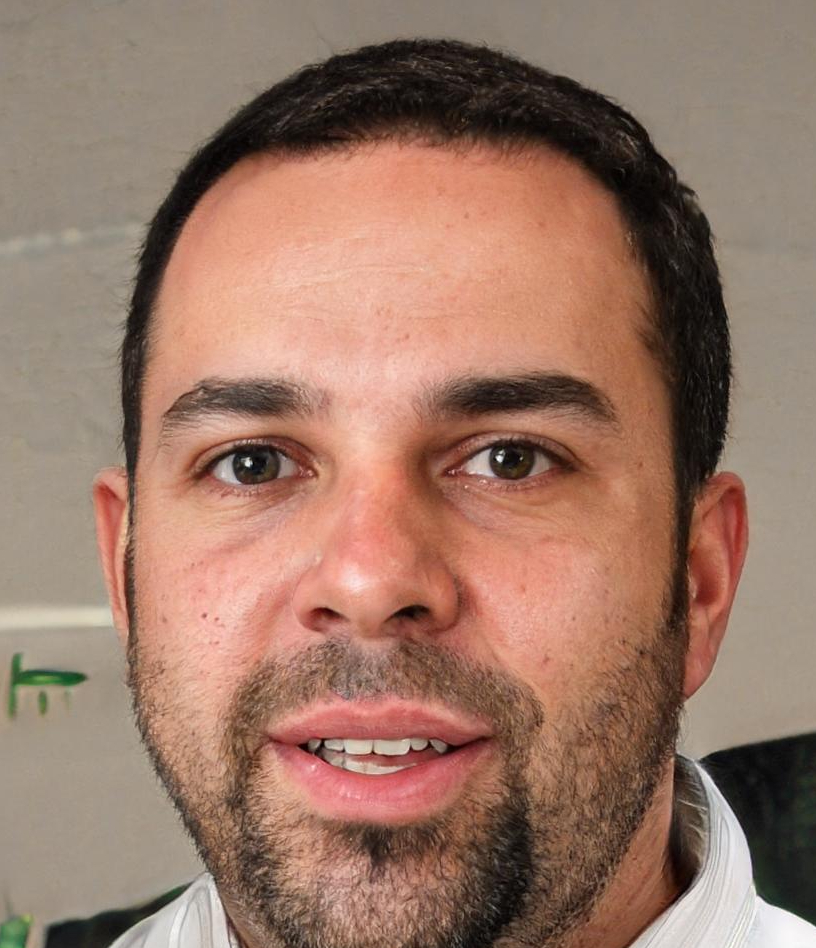
Alex Foxen Dominates WSOP Main Event Day 2D Field
Alex Foxen turned Day 2D of the 2026 WSOP Main Event into a masterclass of aggressive tournament poker, bagging 493,500 chips while poker legends Phil Ivey and Daniel Negreanu hit the rail. The high-stakes crusher’s ability to make hero calls and apply relentless pressure showcased exactly why he’s leading this year’s Player of the Year race.
What Happened
Day 2D of the 2026 World Series of Poker Main Event delivered drama, eliminations, and one player who seemed to have the poker gods on speed dial. Alex Foxen spent most of his day at the featured table, accumulating chips at a blistering pace and ending with nearly half a million in his stack.
The tournament field swelled to 9,208 entries after the final starting flight added 818 players, making it the fourth-largest Main Event in history. With first place locked in at $10 million and the entire final table guaranteed seven-figure paydays, the stakes couldn’t be higher.
Foxen’s day included several memorable confrontations, but none more entertaining than his clash with Vinh Nguyen. In a hand that perfectly illustrated the difference between recreational enthusiasm and professional precision, Nguyen—admittedly enjoying his beverages well before the traditional “beer level”—opened to 2,500 from early position holding pocket fours. Foxen flatted behind with ace-king suited.
When Yoshitaka Hayasaki squeezed to 6,500 with pocket tens, Nguyen made the alcohol-fueled decision to jam his remaining 64,600 chips. After Hayasaki folded, Foxen went deep into the tank before making a call that had Nguyen immediately questioning his life choices. The board bricked out, and Foxen crossed the 400,000-chip threshold.

Meanwhile, poker veterans weren’t having the same fortune. Phil Ivey, who registered at the last possible moment alongside Bryn Kenney, couldn’t get anything going and busted before the day’s end. Daniel Negreanu suffered a similar fate, continuing his recent Main Event struggles.
Kathy Liebert quietly assembled a formidable stack of 255,000 chips, flying under the radar while Foxen commanded attention at the feature table. The poker legend, who ranks third on the women’s all-time money list behind only Kristen Foxen and Vanessa Selbst, has been grinding smaller buy-ins all year but could be positioning herself for a career-defining score.
The Poker Strategy Breakdown
Foxen’s hero call against Nguyen deserves serious analysis because it demonstrates multiple advanced concepts that separate elite players from the pack. Let’s break down why this call, while appearing reckless to casual observers, was actually a calculated exploitation of specific table dynamics.
First, consider the action sequence. When Hayasaki squeezed to 6,500 and Nguyen immediately shoved for 64,600, he was representing an extremely polarized range—either a monster like aces or kings that wants to get value before the flop, or a bluff with a hand that plays poorly postflop. The sizing told a story: this wasn’t a standard four-bet, it was an all-in jam that screamed “I don’t want to see a flop.”
Foxen’s ace-king suited is ahead of most bluffing ranges and has excellent equity even against medium pocket pairs. But the real genius was in reading his opponent. Nguyen’s table talk, his admission about “just squeezing,” and his overall demeanor gave Foxen critical information. When a player is loose, vocal, and admittedly drinking, their four-bet shoving range expands dramatically to include hands they’d normally fold.
The pot odds calculation made the call even more compelling. With roughly 73,600 in the pot and 64,600 to call, Foxen needed just 47% equity to break even. Against a range that includes pocket pairs from fours through jacks, ace-queen, ace-jack suited, and some suited connectors, ace-king suited has approximately 52-54% equity—a profitable call in a tournament where accumulating chips early provides exponential value.
This hand also illustrates the concept of “tournament life” versus “chip accumulation” in the early stages of a massive field event. With 9,208 players and only 1,382 getting paid, the bubble is so far away that chip accumulation takes priority over survival. Foxen understood that building a big stack now would give him the ammunition to bully tables later when the money bubble approached.
Reading The Field & Table Dynamics
Day 2 of any Main Event creates a fascinating dichotomy of player types and motivations. You have last-minute entries like Ivey and Kenney who are comfortable playing short-stacked poker and making moves. You have grinders like Liebert who’ve been steadily accumulating since Day 1. And you have recreational players like Nguyen who are there for the experience as much as the result.
Foxen’s success on Day 2D stemmed from his ability to identify and exploit each player type. Against recreational players showing obvious tells and looseness, he could make hero calls with reasonable holdings. Against tight players protecting their stacks, he could apply pressure with well-timed bluffs. This adaptability is what separates bracelet winners from early exits.
The featured table environment also played a role. Being on camera with commentators analyzing every move creates additional pressure that affects different players in different ways. Some tighten up, afraid of looking foolish on the broadcast. Others, like Nguyen, embrace the spotlight and play even looser than normal. Foxen seemed completely comfortable in this environment, which makes sense given his extensive high-stakes experience.
Table dynamics shift dramatically when a player like Foxen builds a big stack. Suddenly, every decision other players make must account for the big stack’s ability to put them to the test. This creates a ripple effect where Foxen gets more walks in the blinds, more respect on his continuation bets, and more fold equity when he does decide to bluff. It’s a snowball effect that great tournament players know how to leverage.
The elimination of big names like Ivey and Negreanu also sends a message to the field: nobody is safe, and reputation means nothing when the cards are in the air. This levels the playing field psychologically, which actually benefits skilled players like Foxen who rely on reads and exploitation rather than intimidation.
How To Apply This To Your Game
The most important lesson from Foxen’s performance is the value of paying attention to your opponents’ mental state and tendencies. Before making any significant decision, ask yourself: What has this player shown me about their game? Are they playing scared or loose? Are external factors like alcohol or fatigue affecting their decisions?
When facing an all-in decision, don’t just think about your hand in a vacuum. Consider the pot odds, your opponent’s likely range based on their actions and table image, and the tournament stage. In the early levels of a massive field event, you can take more risks to build a stack because the payoff for accumulating chips far exceeds the cost of elimination.
Practice making hero calls in lower-stakes environments before attempting them in your biggest tournaments. Start by calling down lighter against players you’ve identified as overly aggressive or bluffy. Track the results and refine your reads. Over time, you’ll develop the instincts that allowed Foxen to snap off Nguyen’s shove with confidence.
Don’t be afraid to play big pots in the early stages when you have strong holdings or good reads. Many players make the mistake of playing too cautiously early, then find themselves short-stacked and desperate later. Build your stack when the blinds are small relative to your stack, so you have ammunition when the pressure increases.
Study how elite players like Foxen use their table image. When you’re running hot and winning pots, that’s the time to open up your game slightly and take advantage of the respect you’re getting. When you’re card-dead or losing pots, tighten up and wait for premium spots where you can get paid off by players who think you’re tilting.
Key Takeaways
- Alex Foxen bagged 493,500 chips on Day 2D, using aggressive play and hero calls to build one of the tournament’s biggest stacks
- The 2026 WSOP Main Event attracted 9,208 entries, making it the fourth-largest field in history with a $10 million first prize
- Hero calls like Foxen’s against Nguyen require reading opponent tendencies, calculating pot odds, and understanding tournament stage dynamics
- Building a big stack early in massive field events provides exponential value through increased fold equity and table control
- Kathy Liebert’s quiet accumulation to 255,000 chips demonstrates that consistent, solid play can be just as effective as flashy featured table heroics
- Phil Ivey and Daniel Negreanu both busted on Day 2D, proving that reputation means nothing without cards and execution
Frequently Asked Questions
How did Alex Foxen build such a big stack on Day 2D?
Foxen combined aggressive play with excellent hand reading to accumulate 493,500 chips. His most notable hand involved making a hero call with ace-king suited against Vinh Nguyen’s pocket fours all-in, correctly identifying that Nguyen’s range was wider than normal based on table talk and drinking. Foxen spent most of the day at the featured table, consistently finding spots to knock out opponents and build his stack through both strong hands and well-timed calls.
What makes a hero call correct in tournament poker?
A hero call is correct when your pot odds justify calling based on your opponent’s likely range and your equity against that range. In Foxen’s call against Nguyen, he was getting roughly 1.14-to-1 on his money, meaning he needed about 47% equity to break even. Against Nguyen’s perceived range of medium pairs and some bluffs, ace-king suited had approximately 52-54% equity, making it a profitable call. The key is reading your opponent accurately and understanding the math behind the decision.
How should you adjust your strategy in the early stages of a massive field tournament?
In the early stages of a large-field event like the Main Event, you should prioritize chip accumulation over survival since the money bubble is so far away. This means being willing to take calculated risks with strong holdings or good reads, playing bigger pots when you have an edge, and not being overly cautious about elimination. Building a big stack early gives you the ammunition to control tables later when the pressure increases and the bubble approaches. However, this doesn’t mean playing recklessly—every decision should still be based on solid fundamentals and good reads.
Final Thoughts
Alex Foxen’s dominant performance on Day 2D of the 2026 WSOP Main Event provides a blueprint for how elite players approach massive field tournaments. His willingness to trust his reads, make hero calls in marginal spots, and apply constant pressure separated him from the field and positioned him as a serious contender for the $10 million first prize.
What makes Foxen’s approach particularly instructive is that it wasn’t about hitting miracle cards or getting lucky—it was about identifying exploitable situations and having the courage to act on his reads. The hero call against Nguyen looked spectacular, but it was really just solid poker math combined with excellent opponent observation. These are skills any serious player can develop through study and practice.
As the tournament progresses and the field combines for Day 3, all eyes will be on whether Foxen can maintain his momentum. But regardless of his ultimate result, his Day 2D performance offers valuable lessons about aggression, hand reading, and the importance of building a stack when opportunities present themselves. Whether you’re playing the Main Event or your local tournament, these principles remain constant.
Ready to Sharpen Your Poker Game?
Master your poker game with expert hand analysis