

When Cameras Roll at WSOP: Hellmuth’s Netflix Moment
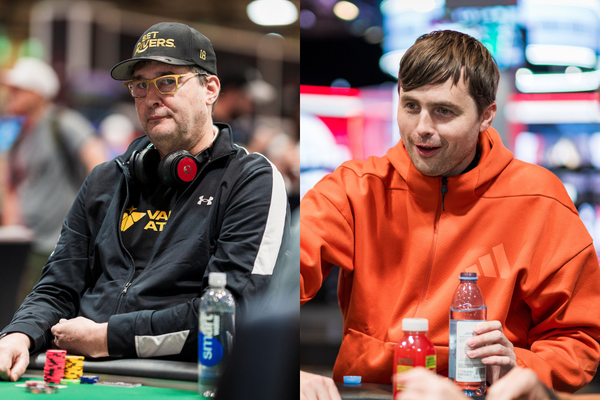
Phil Hellmuth’s appearance in an upcoming Netflix documentary about Las Vegas gambling culture took an unexpected turn when Martin Kabrhel crashed the production, delivering a masterclass in self-promotion that may have overshadowed the Poker Brat himself. The incident highlights how poker personalities navigate media opportunities—and what players can learn about reading situations both on and off the felt.
What Happened
Following his elimination from the WSOP Main Event on Day 3, Hellmuth found himself in the hallway signing media releases for a Netflix production centered on Dana White’s high-stakes gambling lifestyle. The documentary aims to chronicle Las Vegas history through the lens of the UFC President’s notorious wagering habits, with White having filmed segments since November.
As cameras rolled with poker’s most decorated bracelet winner, Kabrhel approached the scene and promptly inserted himself into the production. Despite claiming to be “a very shy boy” who dislikes cameras, the Czech pro proceeded to deliver an extended interview covering everything from gambling psychology to his views on what makes poker unique among casino games.
Kabrhel’s impromptu appearance showcased his characteristic approach to attention-seeking—the same energy that makes him simultaneously one of poker’s most entertaining and controversial figures. His willingness to engage with producers, combined with his unfiltered commentary about the gambling lifestyle, created compelling content that may have given Netflix more than they bargained for.
The timing proved particularly interesting given Kabrhel’s extended Las Vegas stay since late May, during which he’s become increasingly embedded in the city’s poker ecosystem. His comments about losing track of days and the exhausting nature of the Vegas grind resonated with anyone who’s experienced the timeless bubble of casino poker rooms.
The Poker Strategy Breakdown
While this incident occurred away from the tables, it reveals strategic thinking that directly applies to poker success. Kabrhel’s ability to recognize an opportunity and exploit it mirrors the opportunistic mindset required for tournament poker. Just as strong players identify spots where fold equity exists or where they can apply pressure, Kabrhel spotted a media opportunity and capitalized immediately.
Consider how this translates to actual gameplay. The best tournament players don’t wait for premium hands—they create their own opportunities through aggressive play, strategic positioning, and reading situations that others miss. Kabrhel’s approach to the Netflix crew demonstrates this same proactive mentality. He didn’t wait to be invited; he recognized value and acted.
His self-description as someone who makes poker “fun” because it’s “such a boring game” actually reveals sophisticated strategic thinking. Kabrhel understands that maintaining engagement and unpredictability keeps opponents off-balance. When you’re known for unconventional play and constant table talk, opponents struggle to get accurate reads on your actual holdings.
This approach carries significant risks, however. Just as Kabrhel’s table antics have led to penalties and conflicts with tournament directors, overly creative play can result in spewy situations where you’re burning chips without sufficient equity. The key lies in understanding when aggression serves a purpose versus when it becomes counterproductive.
Hellmuth’s involvement in the documentary represents a different strategic approach—leveraging established brand value rather than creating disruption. His 17 WSOP bracelets and decades of mainstream recognition make him the obvious choice for any poker-related media. This reflects the strategy of playing premium hands from position: less flashy, but fundamentally sound.
Reading The Field & Table Dynamics
The dynamics between Kabrhel and Hellmuth in this situation mirror the psychological warfare that occurs during deep tournament runs. Both players understand their table image and leverage it accordingly. Hellmuth’s image as poker’s most recognizable personality gave him the initial media opportunity, while Kabrhel’s reputation for creating chaos allowed him to hijack the moment without seeming completely out of character.
In tournament poker, understanding your opponents’ motivations and tendencies becomes increasingly crucial as stacks deepen and pressure mounts. Kabrhel’s comments about the “22-22%” of people with the gambling gene (whatever that means statistically) actually touch on an important truth: poker attracts risk-takers who process uncertainty differently than the general population.
This psychological profile affects how players approach bubble situations, ICM pressure, and final table dynamics. Someone like Kabrhel, who openly embraces gambling in “everyday life,” likely approaches tournament pressure spots with less fear than more conservative players. This can create exploitable tendencies—both ways. Against tight players, his aggression prints money. Against calling stations or players willing to gamble back, it can prove costly.
The Main Event context matters here too. Hellmuth busted before the money bubble, suggesting he couldn’t gain traction as the field tightened. This is where players with Kabrhel’s aggressive style often thrive—accumulating chips while others play scared. However, that same style can lead to spectacular blow-ups when hands don’t hold or bluffs get picked off.
Reading table dynamics means recognizing when the environment favors your natural style versus when adjustment is required. Hellmuth’s struggles on Day 3 might have stemmed from an inability to adjust to the specific table composition he faced. Meanwhile, Kabrhel’s success in live poker tournaments—despite his controversial methods—suggests he’s actually quite adept at reading when his chaos-creation strategy will prove effective.
How To Apply This To Your Game
The first lesson from this incident is simple: recognize opportunities when they present themselves. In poker, this means staying alert to changing table dynamics, identifying players on tilt, and exploiting situations where fold equity has increased. Don’t wait for perfect spots—create them through aggression and strategic pressure.
However, balance this opportunism with self-awareness about your table image. Kabrhel can crash a Netflix production because that’s consistent with his established persona. Similarly, if you’ve built a tight image at your table, you can exploit that with well-timed bluffs. If you’ve been caught bluffing repeatedly, you need to tighten up and value bet more heavily.
Consider implementing Kabrhel’s approach to making poker “fun” in a strategic way. This doesn’t mean becoming a table nuisance, but rather maintaining engagement and unpredictability. Vary your timing tells, mix up your bet sizing, and avoid falling into predictable patterns. When opponents can’t get comfortable reading you, they make mistakes.
On the flip side, recognize when to leverage established value like Hellmuth. If you’ve built credibility through solid play, use that equity strategically. Your big bets will get more respect, your bluffs will work more often, and you can control table dynamics through your established image. Don’t waste this equity through unnecessary fancy play syndrome.
Pay attention to the meta-game beyond individual hands. Kabrhel’s comments about losing track of time in Las Vegas reflect the mental endurance required for serious poker. Maintain routines, manage your sleep and nutrition, and recognize when you’re no longer playing your A-game. The best strategic decisions mean nothing if you’re too exhausted to execute them properly.
Finally, understand that different approaches work for different players. Hellmuth’s straightforward value-based style has earned him more bracelets than anyone. Kabrhel’s chaotic approach has generated millions in tournament earnings despite constant controversy. Find the strategic approach that matches your personality and risk tolerance, then refine it relentlessly.
Key Takeaways
- Recognize and exploit opportunities proactively rather than waiting for perfect situations—both at the table and in poker career development
- Maintain unpredictability in your play to prevent opponents from getting comfortable reads on your tendencies and ranges
- Leverage your established table image strategically, whether that’s a tight reputation that enables bluffs or an aggressive image that gets your value hands paid
- Balance aggression with awareness of when your style is printing money versus when it’s becoming counterproductive and burning chips
- Manage the mental game and lifestyle factors that affect decision-making quality during extended poker sessions and tournament series
- Different strategic approaches can achieve success—find the style that matches your personality rather than forcing yourself into an uncomfortable framework
Frequently Asked Questions
What is the Netflix documentary about Dana White and poker?
The upcoming Netflix documentary focuses on Dana White’s gambling lifestyle and uses it as a framework to explore the history of Las Vegas. Phil Hellmuth appears as a poker representative, with filming having occurred since November 2025. The production team has been capturing White’s notorious high-stakes wagering habits across various games, with poker being one component of the broader gambling culture story.
Why is Martin Kabrhel controversial in poker?
Kabrhel has earned a controversial reputation through his unconventional table behavior, including excessive tanking, constant table talk, and actions that some players and tournament staff consider angle-shooting or unsportsmanlike conduct. However, he’s also a highly successful tournament player with millions in earnings, suggesting his methods—while polarizing—can be strategically effective. His approach creates maximum discomfort for opponents, which he leverages as a competitive advantage.
How did Phil Hellmuth perform in the 2026 WSOP Main Event?
Hellmuth busted from the Main Event during the early portion of Day 3, before the money bubble. According to reports, he struggled to gain traction throughout his tournament run and couldn’t build momentum as the field tightened approaching the cash positions. This represents a relatively early exit for a player of his caliber in poker’s most prestigious tournament.
Final Thoughts
The intersection of poker and mainstream media continues to evolve, with productions like this Netflix documentary bringing the game to audiences who might never watch traditional poker broadcasts. Hellmuth’s involvement makes perfect sense—he’s spent decades cultivating a personality that translates beyond poker-specific content. His “Poker Brat” persona works for general audiences because it’s authentic, entertaining, and doesn’t require deep game knowledge to appreciate.
Kabrhel’s impromptu appearance, meanwhile, demonstrates how poker’s current generation of characters differs from the old guard. Where Hellmuth built his brand through tournament success and calculated media appearances, Kabrhel creates moments through unpredictability and willingness to insert himself into any situation. Both approaches have merit, and both generate the attention that sustains poker’s ecosystem.
For players looking to improve their game, the real lesson lies in understanding how these different strategic approaches—both in terms of actual poker play and career management—can achieve success. Study your own tendencies, recognize your natural strengths, and build a game plan that leverages your personality rather than fighting against it. Whether you’re the established veteran or the chaotic disruptor, there’s a path to profit if you execute with consistency and self-awareness.
Ready to Sharpen Your Poker Game?
Master your poker game with expert hand analysis
