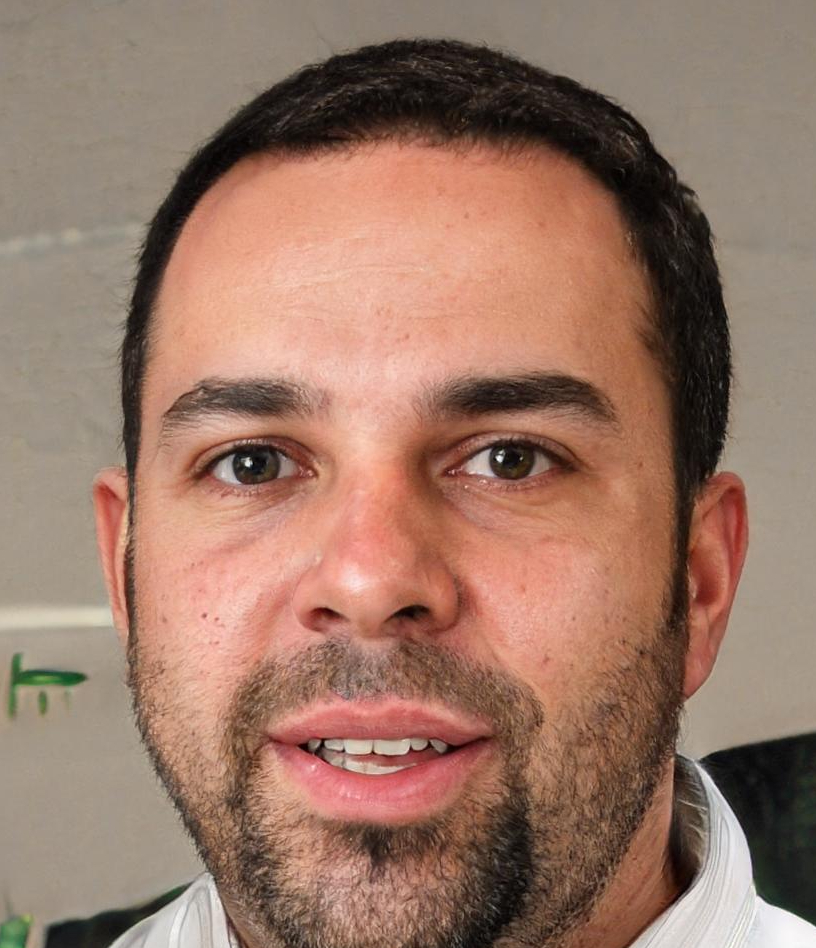
When Pocket Kings End a Champion’s Run: Gagliano vs Ensan
Michael Gagliano’s pocket kings collided with Hossein Ensan’s ace-king in a massive three-way confrontation that sealed the 2019 champion’s fate at 13th place in the 2026 WSOP Main Event. With 55 big blinds in the pot and seven-figure payouts on the line, this clash showcased both the cruelty and beauty of tournament poker at its highest stakes.
What Happened
The action unfolded with just 13 players remaining on Day 8 of the 2026 WSOP Main Event, when every elimination meant a significant pay jump and the final table loomed tantalizingly close. Lauri Saaskilahti opened the action from the button with pocket fives, a standard steal attempt in late position.
Hossein Ensan, sitting on approximately 25 big blinds in the small blind, looked down at ace-king offsuit and made the decision to shove all-in. This was a pivotal moment for the 2019 Main Event champion, who was looking to ladder up and potentially make another deep run at poker’s most prestigious title.
But Michael Gagliano had been dealt a gift in the big blind: pocket kings. He quickly re-shoved over the top, forcing Saaskilahti to fold his pocket fives and creating a heads-up showdown between two premium holdings.
The mathematics were brutal for Ensan. Against pocket kings, his ace-king was roughly a 70-30 underdog, with only three aces in the deck offering immediate salvation. The flop brought some additional outs with straight possibilities, but the turn card sealed Ensan’s fate completely, leaving him drawing dead. The meaningless river gave him two pair, but it was too little, too late—a cruel twist that made the elimination sting even more.
Gagliano’s double-up essentially guaranteed him a final table seat and a seven-figure payday, while Ensan’s tournament ended in 13th place.
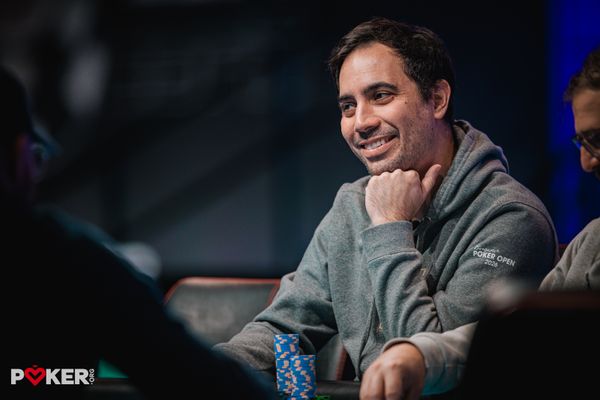
The Poker Strategy Breakdown
Let’s dissect each player’s decision-making process in this fascinating three-way pot.
Saaskilahti’s button open with pocket fives is textbook tournament poker. With antes in play and two players left to act, stealing the blinds adds valuable chips to your stack without seeing a flop. Pocket fives plays well as both a value hand and a bluff, giving him multiple ways to win.
Ensan’s shove with ace-king is where the hand gets interesting. With 25 big blinds, he’s in that awkward middle stack zone—too deep to be desperately shoving any two cards, but too shallow to comfortably play post-flop poker against competent opponents. Ace-king plays poorly in a call-and-see-a-flop scenario because it’s essentially a drawing hand that needs to improve. By shoving, Ensan accomplishes several objectives: he puts maximum pressure on the initial raiser, he denies equity realization to the big blind, and he picks up dead money when both opponents fold.
The problem? He ran into the exact hand he didn’t want to see.
Gagliano’s re-shove with pocket kings is automatic. This is one of those dream scenarios where you pick up a premium hand at the exact moment someone else has committed their stack. Kings are strong enough to get the money in against virtually any range, and with Ensan already all-in, Gagliano’s decision becomes trivial. The only consideration is whether Saaskilahti might wake up with aces or kings himself, but even then, getting it in with cowboys is rarely a mistake at this stage of a tournament.
The stack sizes matter enormously here. If Ensan had 50-60 big blinds, he might have opted for a smaller three-bet, allowing himself room to fold if Gagliano came over the top. But with 25 big blinds, the shove-or-fold approach makes sense with a hand as strong as ace-king. He just got unlucky that someone behind him had a better hand.
Reading The Field & Table Dynamics
Context is everything in tournament poker, and this hand occurred at perhaps the most pressure-packed stage of the entire Main Event. With only 13 players remaining and the final table set at nine, every elimination brought the survivors closer to poker immortality and life-changing money.
The pay jumps at this stage are massive. The difference between 13th place and final table money can be hundreds of thousands of dollars. This creates an interesting dynamic where some players tighten up considerably, hoping to ladder into bigger payouts, while others recognize that accumulating chips is the only path to actually winning the tournament.
Ensan, as a former champion, understood this dynamic perfectly. His shove with ace-king wasn’t reckless—it was a calculated aggression designed to accumulate chips when fold equity is at its premium. He knew that players might be more inclined to fold marginal hands with so much money on the line.
Gagliano’s position in the big blind is also crucial. He’s getting a better price to call because he’s already invested one big blind, but more importantly, he’s closing the action. Once he calls or raises, the hand is essentially over pre-flop. This eliminates the possibility of a fourth player entering the pot and creating a more complex situation.
The presence of Saaskilahti’s initial raise adds another layer. If Ensan shoves and Gagliano just calls with kings, Saaskilahti might have felt pot-committed with his pocket fives, creating a three-way all-in. By re-shoving, Gagliano ensured he’d play heads-up against Ensan’s range, maximizing his equity.
How To Apply This To Your Game
While most of us won’t face 13th-place decisions in the WSOP Main Event, the strategic principles from this hand apply to tournaments at every level.
First, understand your stack-to-pot ratio. Ensan’s 25 big blind stack put him in a zone where shoving with premium hands makes more sense than trying to play small-ball poker. If you find yourself in this range with hands like ace-king, ace-queen suited, or medium pocket pairs, don’t be afraid to apply pressure. The fold equity you generate is valuable, and when you do get called, you’re often flipping or slightly ahead.
Second, recognize when you’re in a dream spot. Gagliano’s situation—facing a raise and a shove with pocket kings—is about as good as it gets in tournament poker. When these moments arise, don’t get fancy. Get the money in and let the cards fall where they may. Overthinking premium hands in premium spots is a common mistake among intermediate players who’ve learned just enough to be dangerous.
Third, consider the ICM implications of your decisions. Independent Chip Model calculations show that survival becomes more valuable as you approach the final table. However, this doesn’t mean you should fold everything and hope to ladder up. The best players balance ICM pressure with the need to accumulate chips, recognizing that you can’t win a tournament by folding into the final table with a short stack.
Fourth, pay attention to position and action flow. Saaskilahti’s button raise opened the door for Ensan’s shove, which created the opportunity for Gagliano’s re-shove. Each decision in the sequence affected the next. In your own games, track how action develops around the table and look for spots where you can exploit the dead money created by multiple players entering the pot.
Finally, accept that variance is part of tournament poker. Ensan made a perfectly reasonable play with ace-king and ran into a better hand. This happens. The goal isn’t to avoid ever getting your chips in bad—it’s to make +EV decisions over and over again, knowing that sometimes you’ll be on the wrong end of the variance.
Key Takeaways
- With 25 big blinds and a premium hand like ace-king, shoving over a late position raise is often the best play to maximize fold equity and avoid difficult post-flop decisions
- When you pick up pocket kings facing action in front of you, getting all the chips in is almost always correct—don’t overthink dream scenarios
- ICM pressure near the final table affects everyone differently; the best players balance survival with chip accumulation rather than playing scared
- Position matters enormously in three-way pots; closing the action in the big blind gives you maximum control over the hand’s development
- Stack sizes dictate strategy more than card strength alone—a hand that’s a call with 100 big blinds might be a shove with 25 big blinds
- Even world-class players and former champions get their money in good and lose; focus on making correct decisions rather than results-oriented thinking
Frequently Asked Questions
Should Ensan have just called with ace-king instead of shoving?
With 25 big blinds, calling would have been a mistake. Ace-king plays poorly post-flop when you miss, and calling would have given the big blind a great price to come along with a wide range. By shoving, Ensan maximized his fold equity and avoided playing out of position with a hand that needs to improve. The shove was correct—he just ran into a better hand.
Could Gagliano have slow-played his kings to trap Saaskilahti?
While flatting might have kept Saaskilahti in the pot with his pocket fives, it would have created a three-way all-in situation where Gagliano’s equity decreases significantly. Against two opponents instead of one, even pocket kings become more vulnerable. The re-shove was the right play to isolate Ensan and maximize equity in what was already a dream scenario.
How do ICM considerations change this hand?
With 13 players remaining and four eliminations until the final table, ICM pressure is significant. However, all three players made reasonable decisions given their stack sizes. Ensan couldn’t fold ace-king with 25 big blinds, and Gagliano certainly couldn’t fold kings. ICM might have influenced Saaskilahti’s fold with pocket fives, as calling off his stack in a multi-way pot would have been extremely risky with several shorter stacks at other tables.
Final Thoughts
This hand perfectly encapsulates the thin margins that separate deep runs from final table appearances in major tournaments. Ensan made a fundamentally sound play with a premium holding, but poker’s inherent variance meant he ran into an even better hand at the worst possible time. For Gagliano, the hand represented the kind of fortunate timing that often defines tournament success—being dealt a monster at the exact moment someone else decides to commit their stack.
What makes this confrontation particularly instructive is that there are no real mistakes to critique. Each player acted reasonably given their holdings, stack sizes, and tournament situation. Sometimes poker simply comes down to card distribution, and on this occasion, the deck favored Gagliano. The 2019 champion’s exit in 13th place serves as a reminder that even the most skilled players can’t overcome the mathematics when they’re on the wrong side of a cooler.
For students of the game, hands like this reinforce the importance of getting your money in with the best of it when the opportunity arises. Gagliano’s willingness to commit his tournament life with pocket kings—without hesitation or fancy play syndrome—exemplifies the straightforward aggression that winning tournament poker requires at crucial moments.
Ready to Sharpen Your Poker Game?
Master your poker game with expert hand analysis