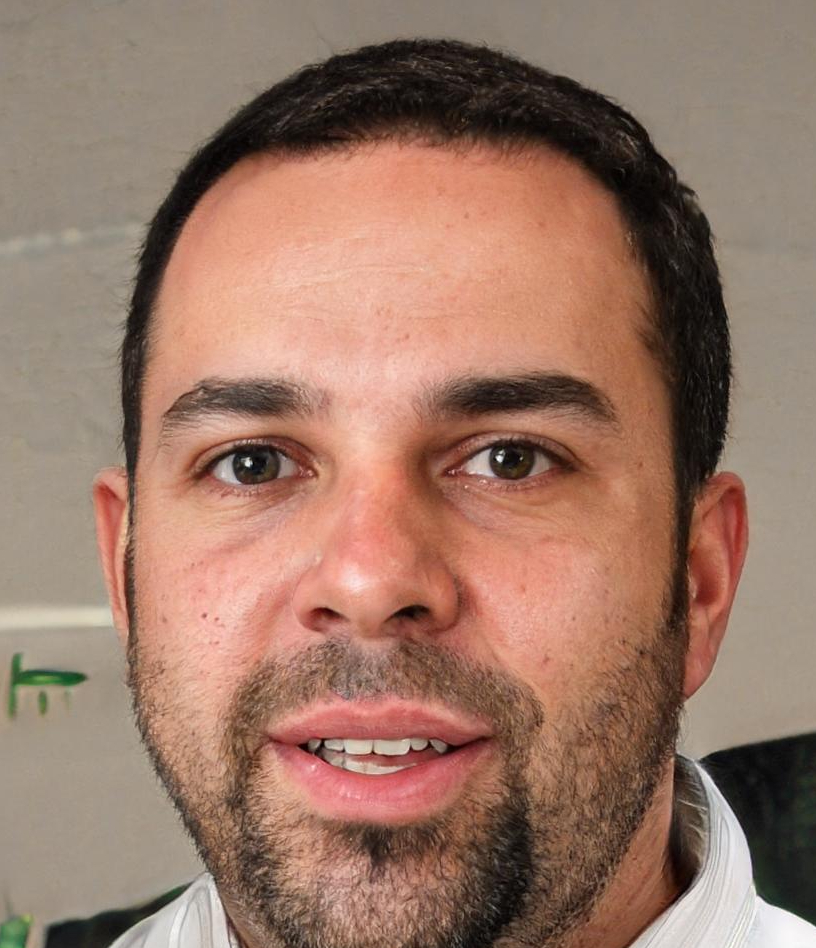
How a $20K Cash Game Score Turned Into a WSOP Final Table Run
A spontaneous pot-limit Omaha session during a California layover netted Finnish businessman Lauri Saaskilahti nearly $20,000 in cash—money he couldn’t easily convert back to euros. His solution? Use it to enter the 2026 WSOP Main Event as a 40th birthday celebration. Now he’s sitting at the final table with a shot at $10 million and poker immortality.
What Happened
Lauri Saaskilahti never planned to become Finland’s first-ever WSOP Main Event finalist. The Barcelona-based entrepreneur was simply killing time during a six-hour layover at LAX last year when he decided to hit Hustler Casino for some $10/20/40 PLO action—his game of choice.
Three hours later, he walked away with nearly $20,000 in American currency. Rather than dealing with unfavorable exchange rates and international wire fees, Saaskilahti made a different calculation: he’d return to the States the following summer, bring his family, and play the WSOP Main Event as a unique way to mark his 40th birthday.
That casual decision transformed into something far more significant. Saaskilahti navigated through a field of thousands, building his stack methodically from 129,700 chips on Day 1D to 37,500,000 by Day 8. He’s now one of nine players remaining, positioned for a legitimate shot at poker’s most prestigious title.
The journey wasn’t without obstacles. Days 2 and 3 proved particularly challenging as Saaskilahti battled through a cold that left him physically depleted. His chip count actually decreased slightly during Day 3, dropping from 239,000 to 224,000. But once he recovered, the run became what he describes as “smooth sailing”—a massive understatement for someone who multiplied their stack nearly 17 times from Day 4 onward.
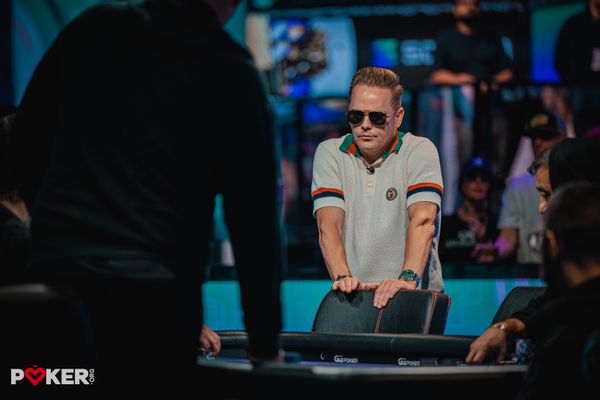
The Poker Strategy Breakdown
What makes Saaskilahti’s run particularly instructive is his background as a PLO specialist rather than a tournament grinder. Pot-limit Omaha cash games require fundamentally different skills than no-limit hold’em tournaments, yet certain strategic principles transfer beautifully between formats.
PLO players develop exceptional hand-reading abilities because the game’s four-card structure creates far more possible combinations and disguised holdings. This translates directly to tournament play, where accurately assessing opponent ranges becomes increasingly valuable as stacks deepen and the field narrows. Saaskilahti’s comfort navigating complex multi-way pots with marginal equity likely served him well during the middle stages of the Main Event.
His chip trajectory reveals a patient approach through the early days, followed by aggressive accumulation once he crossed the two-million chip threshold on Day 4. This pattern suggests solid fundamentals: survive first, then attack when you have the ammunition. Many amateur players make the opposite mistake, gambling early to build a stack and then tightening up when they finally have chips to work with.
The fact that Saaskilahti nearly doubled his stack on Day 8—from 15.6 million to 37.5 million—demonstrates his ability to leverage a strong position. With nine players remaining and significant pay jumps on the line, this is precisely when many players become risk-averse. Instead, Saaskilahti pressed his advantage, understanding that chips matter more than survival when you’re already guaranteed life-changing money.
His business background also informs his strategic approach. Saaskilahti describes his final table preparation in corporate terms: conducting “in-depth reviews” of opponents, researching their cultural backgrounds and tendencies, and developing multiple scenario plans (A, B, and C) based on different stack dynamics and table compositions.
This systematic approach mirrors professional tournament preparation but comes from a different intellectual framework. Rather than studying solver outputs and GTO frequencies, Saaskilahti is applying business analysis techniques to poker—identifying competitive advantages, planning for contingencies, and adapting strategies based on changing conditions.
Reading The Field & Table Dynamics
Saaskilahti’s path to the final table illustrates several crucial tournament concepts that separate deep runs from early exits. His ability to maintain composure during Days 2 and 3 while physically ill demonstrates the mental fortitude required for multi-day tournaments. Many players would have punted their stack in frustration or discomfort, but Saaskilahti protected his chips during adversity.
This patience paid dividends on Day 4, when he was healthy and could capitalize on favorable situations. The tenfold stack increase from 224,000 to 2.1 million chips suggests he recognized the shift in tournament dynamics as the field thinned and antes increased. This is when tight players become exploitable, and aggressive players with solid fundamentals can accumulate rapidly.
The cultural and psychological profiling Saaskilahti mentions for final table preparation is often overlooked by amateur players. Understanding that a young American pro might have different risk tolerances than a European businessman, or that certain players view $2 million differently than $10 million, creates exploitable edges in ICM situations.
His scenario planning approach is particularly sophisticated. Rather than preparing a single game plan, he’s developing multiple strategic frameworks based on different final table configurations. This flexibility is essential when stack sizes, player eliminations, and pay jump pressure constantly shift the optimal approach.
The fact that Saaskilahti enters the final table with 37.5 million chips—likely among the bigger stacks—gives him tremendous strategic flexibility. He can apply pressure to medium stacks trying to ladder up, while also having the ammunition to tangle with other big stacks without risking his tournament life.
How To Apply This To Your Game
Saaskilahti’s journey offers several actionable lessons for players at all levels. First, cross-game experience matters more than specialization for many players. His PLO background provided transferable skills that proved valuable in the Main Event’s most crucial moments. If you’re primarily a cash game player, don’t underestimate how those skills translate to tournaments—hand reading, pot control, and multi-street planning all carry over.
Second, physical and mental preparation cannot be overlooked in multi-day events. Saaskilahti’s struggle during his illness highlights how non-poker factors dramatically impact performance. Prioritize sleep, nutrition, and health during tournament series. The best strategic adjustments mean nothing if you’re too exhausted or sick to execute them properly.
Third, stack preservation during difficult periods sets up future aggression. Rather than forcing action while compromised on Days 2 and 3, Saaskilahti played defensively and waited for better conditions. This patience allowed him to explode on Day 4 when he was healthy and focused. Recognize when conditions aren’t favorable and adjust your risk tolerance accordingly.
Fourth, systematic preparation beats last-minute cramming. Saaskilahti’s business-oriented approach to opponent analysis and scenario planning demonstrates the value of structured preparation. Before your next tournament final table or important session, create a framework: identify likely opponents, research their tendencies, and develop multiple game plans based on different stack configurations.
Finally, don’t underestimate the power of clear goals. Saaskilahti wrote “Win the WSOP Main Event” on a note in his desk drawer at the beginning of 2026. While this might seem like wishful thinking, setting ambitious goals creates focus and intentionality. He didn’t write “cash in the Main Event” or “make a deep run”—he aimed for the top, and that clarity of purpose likely influenced countless decisions throughout his run.
Key Takeaways
- Cross-format skills transfer: PLO cash game expertise provided hand-reading and multi-way pot navigation abilities that proved valuable in Main Event situations
- Strategic patience during adversity: Protecting chips while ill on Days 2-3 preserved ammunition for aggressive accumulation once conditions improved
- Systematic opponent analysis: Approaching final table preparation like business strategy—researching backgrounds, developing multiple scenarios, and planning contingencies
- Stack leverage at crucial moments: Nearly doubling chips on Day 8 when many players tighten up demonstrates understanding of when to press advantages
- Clear goal-setting creates focus: Writing down “Win the WSOP Main Event” at year’s start established intentionality that influenced preparation and execution
- Opportunistic decision-making: Turning a layover cash game score into Main Event entry shows the value of recognizing and acting on opportunities
Frequently Asked Questions
How does PLO experience help in NLHE tournaments?
Pot-limit Omaha develops superior hand-reading skills because four-card combinations create more complex ranges and disguised holdings. PLO players also gain experience navigating multi-way pots with marginal equity, managing pot size with position, and making decisions across multiple streets with incomplete information—all skills that transfer directly to deep-stack tournament play. The main adjustment is adapting to two-card hand strengths and different equity distributions.
What is scenario planning for poker final tables?
Scenario planning involves developing multiple strategic frameworks (typically A, B, and C plans) based on different final table configurations. This includes preparing for various stack sizes relative to opponents, different player elimination orders, and how pay jumps affect optimal strategy. Rather than a single rigid game plan, scenario planning creates flexible responses to changing conditions, allowing you to adapt quickly as the final table evolves.
Should amateur players set ambitious poker goals like winning major tournaments?
Setting stretch goals creates focus and intentionality, even if the probability of achieving them is low. The key is balancing ambitious long-term goals (like winning a major tournament) with achievable short-term objectives (improving specific skills, studying consistently, managing bankroll properly). Ambitious goals influence preparation quality and decision-making during crucial moments, but they should be paired with realistic process goals that you can control and measure.
Final Thoughts
Lauri Saaskilahti’s path to the WSOP Main Event final table reads like a poker fairy tale, but the strategic principles underlying his success are entirely replicable. His systematic preparation, cross-game skill application, and disciplined stack management during adversity demonstrate that amateur players can compete at the highest levels when they approach the game with intentionality and intelligence.
What began as a spontaneous solution to a currency conversion problem has become a masterclass in opportunistic decision-making and goal achievement. Whether Saaskilahti completes the goal written in his desk drawer back in Barcelona or falls short, his journey proves that poker rewards those who combine preparation with the courage to seize unexpected opportunities. The $20,000 cash game score was lucky; everything that followed was skill, discipline, and strategic execution.
For players looking to improve their own tournament results, Saaskilahti’s approach offers a blueprint: develop transferable skills across formats, prepare systematically rather than haphazardly, protect your stack during unfavorable conditions, and press advantages when circumstances align. Most importantly, set clear goals and take concrete steps toward achieving them—you never know when a layover might change everything.
Ready to Sharpen Your Poker Game?
Master your poker game with expert hand analysis