Koon Enters Hall of Fame Alone After Voting Reform Falls Flat
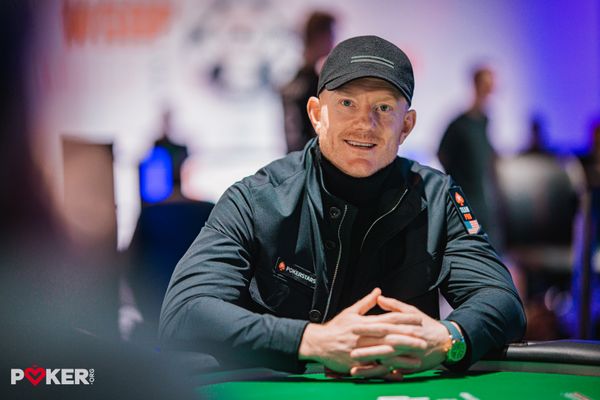
Jason Koon secured his place in poker immortality as the lone 2026 Poker Hall of Fame inductee, but the real story isn’t his well-deserved enshrinement. Despite sweeping voting reforms designed to eliminate the notorious induction bottleneck, the new system produced exactly one winner—proving that changing the rules doesn’t always change the outcome.
What Happened
The announcement came during ESPN’s broadcast of the World Series of Poker Main Event final table, confirming what most insiders had predicted: Jason Koon would earn first-ballot induction into poker’s most exclusive club. The 40-year-old high-stakes crusher entered the ballot with credentials that read like a highlight reel—$77 million in tournament earnings, 12 Triton Poker titles (a record that dwarfs his nearest competitor by five), and two WSOP bracelets including the prestigious $50K High Roller in 2025.
But Koon’s individual achievement, impressive as it is, became overshadowed by what didn’t happen. The WSOP had implemented significant changes to the voting process specifically to address years of complaints about deserving candidates being left on the outside looking in. The new framework allowed up to six inductees per year, with the 33 existing Hall of Fame members each casting up to four votes. Any nominee receiving at least 22 votes would earn induction.
The shortlist featured eight names: Justin Bonomo, Shaun Deeb, Isaac Haxton, Jason Koon, Mike Matusow, Isai Scheinberg, Chris Moorman, and Scott Seiver. Industry observers expected multiple inductees, particularly first-time nominees Deeb and Haxton, both fresh off turning 40. Matusow received his 12th nomination—a record that speaks more to the voting system’s peculiarities than to any deficiency in “The Mouth’s” poker resume.
Only Koon cleared the threshold. The bottleneck persists, just under new management.
The Poker Strategy Breakdown
Koon’s Hall of Fame credentials offer a masterclass in high-stakes tournament strategy evolution. His dominance on the Triton Poker Tour—where he’s accumulated nearly $41 million and won 12 titles—reveals a player who’s mastered the specific dynamics of ultra-high roller competition. These aren’t your typical tournament fields. They’re concentrated pools of the world’s best players, where edges are microscopic and variance runs wild.
What separates Koon’s approach is his ability to maintain aggression without crossing into recklessness. In high roller events where everyone understands GTO principles and can execute complex plays, the differentiator becomes timing and opponent exploitation. Koon has demonstrated an uncanny ability to identify when elite opponents are playing too tight or too loose relative to optimal strategy, then adjusting his ranges accordingly.
His heads-up bracelet win in 2021 showcased another dimension of his game. Heads-up poker strips away the complexity of multi-way pots and exposes pure strategic understanding. You can’t hide behind position or wait for premium hands. Every decision matters, and Koon’s victory in that format against a field of specialists validated his theoretical knowledge and practical execution.
The $50K High Roller bracelet in 2025 further cemented his legacy. These events attract the absolute cream of the crop—players who’ve studied solver outputs, internalized ICM considerations, and can execute advanced plays under extreme pressure. Winning once in this environment requires skill and luck. Winning consistently, as Koon has done, requires something more: a deep understanding of how to create and exploit edges that theoretically shouldn’t exist.
Koon’s tournament success also reflects his willingness to put in volume at the highest stakes. While some elite players cherry-pick their spots, Koon has consistently shown up to the biggest events worldwide. This volume approach in high roller tournaments is strategically sound—the fields may be tough, but the prize pools are massive, and even small edges compound over time when you’re playing for millions.
Reading The Field & Table Dynamics
The Hall of Fame voting itself offers fascinating insights into group dynamics and decision-making under uncertainty. The 33 existing members faced a classic coordination problem: with up to four votes each and eight candidates, how do you allocate your support?
Game theory suggests voters might have spread their selections across multiple candidates they deemed worthy, potentially diluting support for any single nominee. Alternatively, some voters might have engaged in strategic voting, selecting only the candidates they believed had the best chance of reaching the 22-vote threshold rather than their personal preferences.
Koon’s unanimous-seeming support (he clearly exceeded the threshold) indicates broad consensus about his qualifications. But the failure of other seemingly qualified candidates—particularly Deeb and Haxton on their first eligible year—suggests either genuine disagreement about their Hall worthiness or strategic miscalculation by voters who assumed others would support them.
Isai Scheinberg’s seventh unsuccessful nomination is particularly telling. Despite vocal support from inductees like Chris Moneymaker and even Koon himself, Scheinberg can’t clear the bar. This might reflect lingering concerns about his legal history (he pleaded guilty to illegal gambling charges related to PokerStars’ U.S. operations), or it might indicate that some voters weigh playing accomplishments more heavily than industry contributions.
Mike Matusow’s 12 nominations without induction reveal another dynamic: the difference between fame and Hall of Fame. Matusow is undeniably one of poker’s most recognizable personalities with legitimate tournament accomplishments, but the voting body apparently doesn’t view his resume as meeting the Hall’s standard. Whether this reflects bias against tournament-era players, concerns about his public controversies, or genuine assessment of his competitive record remains unclear.
How To Apply This To Your Game
Koon’s career trajectory offers several actionable lessons for players at any level. First, specialization matters. While Koon plays various formats, his Triton dominance shows the value of becoming expert in specific tournament structures and player pools. Identify the games where you have the strongest edge and put in concentrated volume there rather than spreading yourself thin across every available format.
Second, embrace the grind at your appropriate stakes. Koon didn’t achieve Hall of Fame status by playing sporadically. He consistently entered the biggest events, accumulating both experience and results. For recreational and developing players, this translates to regular play at stakes where you’re properly bankrolled and can maintain your A-game.
Third, study your specific opponent pool. High roller regulars represent a relatively small, stable player pool. Koon’s repeated success against these players suggests deep opponent modeling. You can apply this principle by taking detailed notes on your regular opponents, identifying their tendencies, and adjusting your strategy accordingly. The player who three-bets too frequently from the button or folds too often to river aggression is giving you money—but only if you’re paying attention.
Fourth, master multiple formats. Koon’s heads-up bracelet and high roller success demonstrate versatility. While specialization is valuable, understanding different poker formats makes you a more complete player. The aggression required in heads-up play can inform your short-handed strategy. The ICM considerations in high roller tournaments apply to any event with meaningful pay jumps.
Finally, maintain professionalism and earn respect. The Hall of Fame criteria explicitly include “earned the respect of peers.” Koon’s advocacy for Scheinberg and his reputation as a thoughtful ambassador for the game likely helped his candidacy. In your local poker ecosystem, being a respectful, ethical player builds social capital that can translate to softer games and better opportunities.
Key Takeaways
- Jason Koon became the sole 2026 Poker Hall of Fame inductee despite voting reforms designed to allow up to six inductees annually
- Koon’s 12 Triton Poker titles and $77 million in tournament earnings made him a first-ballot lock, demonstrating the value of sustained excellence in elite fields
- Expected inductees like Shaun Deeb and Isaac Haxton failed to reach the 22-vote threshold, suggesting either strategic voting complications or genuine disagreement among Hall members
- Isai Scheinberg’s seventh unsuccessful nomination highlights ongoing controversy about weighing playing accomplishments versus industry contributions
- The voting outcome proves that structural reforms don’t automatically solve underlying coordination and consensus problems
- Koon’s career offers lessons in specialization, volume, opponent modeling, format versatility, and professional reputation building
Frequently Asked Questions
Why was Jason Koon the only 2026 Hall of Fame inductee despite new rules allowing six?
The new voting system required nominees to receive at least 22 votes from the 33 existing Hall of Fame members. While the structure allowed for up to six inductees, only Koon cleared the threshold. This likely resulted from vote splitting across multiple candidates, strategic voting miscalculations, or genuine disagreement about other nominees’ qualifications. The outcome demonstrates that changing voting mechanics doesn’t guarantee different results if the underlying consensus doesn’t exist.
What makes Jason Koon’s Triton Poker dominance so significant?
Koon’s 12 Triton Poker titles—five more than any other player—represent sustained excellence against the world’s toughest competition. Triton events feature ultra-high buy-ins that attract only elite professionals and wealthy amateurs who can afford the stakes. The concentrated skill level means edges are smaller and variance is higher, making Koon’s consistency particularly impressive. His nearly $41 million in Triton earnings demonstrates an ability to consistently outplay the best players in the world.
Why hasn’t Isai Scheinberg been inducted despite seven nominations?
Scheinberg’s case is complicated. As PokerStars founder, he revolutionized online poker and, according to supporters like Chris Moneymaker, saved players’ funds by purchasing Full Tilt Poker’s assets and repaying debts. However, he also pleaded guilty to illegal gambling charges related to PokerStars’ U.S. operations. Some voters may weigh his legal issues more heavily than his industry contributions, while others may believe the Hall should primarily honor playing accomplishments rather than business achievements, despite Scheinberg’s undeniable impact on poker’s growth.
Final Thoughts
Jason Koon’s induction into the Poker Hall of Fame is both a celebration and a question mark. His individual credentials are beyond dispute—few players in poker history have demonstrated such consistent excellence against elite competition. The third-place position on poker’s all-time money list, the Triton dominance, the bracelet wins—these achievements speak for themselves. Koon earned his place among poker’s immortals, and the first-ballot induction appropriately recognizes his contributions to the game.
But the larger story is what the voting outcome reveals about the Hall of Fame itself. The WSOP implemented reforms specifically to address the bottleneck problem, expanding potential inductees from one or two per year to as many as six. The result? Exactly one inductee, just like many previous years. This suggests the bottleneck isn’t primarily a structural problem but a consensus problem. The existing Hall members apparently maintain high standards for induction, and multiple candidates who seemed like locks to outside observers didn’t meet those internal standards.
Whether this represents appropriate gatekeeping or excessive exclusivity depends on your perspective. A Hall of Fame that inducts everyone loses meaning. A Hall of Fame that excludes obvious contributors loses credibility. Finding the balance is poker’s ongoing challenge, one that won’t be solved by voting mechanics alone. For now, Koon stands alone in 2026—a worthy inductee in a class that many expected would be much larger.
Ready to Sharpen Your Poker Game?
Master your poker game with expert hand analysis