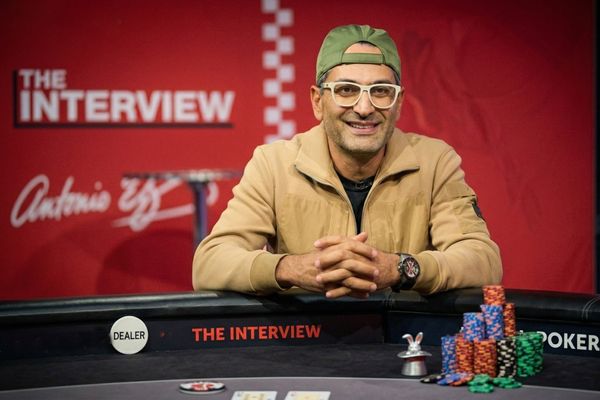
Antonio Esfandiari: From Poker Glory to Family Prop Bets
Antonio ‘The Magician’ Esfandiari, winner of poker’s largest-ever tournament prize, has traded high-stakes casino battles for beach vacations and ski trips with his family. But don’t think the action has stopped—his three kids are now hustling their legendary father for ‘yes’ days and bankroll-building prop bets at the dinner table.
What Happened
In a revealing conversation, the three-time WSOP bracelet winner opened up about his evolution from table-talking strategist to family man who still can’t resist booking action—even when it’s against his own children. The poker icon who once dominated the felt with charisma and conversation now finds himself capping his sons’ betting limits and negotiating sugar-free weeks as prop bet settlements.
Esfandiari’s transformation reflects a broader shift in how elite poker professionals approach the game and life balance. The player who made headlines winning the inaugural Big One for One Drop has recalibrated his priorities, though his competitive fire burns as bright as ever—just in different arenas.
The conversation revealed how Esfandiari’s approach to poker has matured over two decades. Where he once weaponized table talk to extract information from opponents, he now engages simply for the joy of human connection. This philosophical shift mirrors his journey from hungry young pro to established champion who’s seen it all.
The Poker Strategy Breakdown
Esfandiari’s candid admission about his evolving relationship with table talk offers crucial insights into strategic development. Early in his career, every word spoken at the table served a tactical purpose—probing for tells, creating false narratives, or inducing mistakes. This calculated approach to verbal engagement is common among developing players who view poker purely through an exploitative lens.
However, his current philosophy represents a more sophisticated understanding of the game’s psychological dimensions. By removing the pressure to constantly extract information through conversation, Esfandiari has paradoxically become more dangerous. Opponents can’t distinguish between casual banter and strategic needling, creating uncertainty that works in his favor.
This evolution also speaks to the importance of sustainable poker practices. Maintaining intense focus on every verbal exchange for hours at the table creates mental fatigue. By allowing himself to genuinely enjoy conversations without ulterior motives, Esfandiari preserves cognitive resources for the decisions that truly matter—bet sizing, range construction, and critical river decisions.
The mention of learning from young cash game phenoms highlights another crucial element of long-term poker success: remaining a student of the game. Despite his legendary status and millions in tournament earnings, Esfandiari acknowledges that his understanding from twenty years ago pales compared to modern theory. This intellectual humility separates champions who sustain success from those who plateau.
His emphasis on fitness and diet regimens as essential to poker performance cannot be overstated. Physical well-being directly impacts decision-making quality, especially during marathon sessions or multi-day tournaments. The discipline required to maintain peak physical condition translates directly to the mental stamina needed for optimal play during crucial tournament stages.
Reading The Field & Table Dynamics
Esfandiari’s natural charisma and entertainment value at the table create unique dynamics that recreational players can learn from. By fostering an enjoyable atmosphere, he encourages looser play from opponents who prioritize the experience over strict profit maximization. This is particularly valuable in cash games where maintaining a fun environment keeps recreational players coming back.
The strategic value of being genuinely likeable at the table extends beyond immediate hand dynamics. Players are less likely to target someone they enjoy playing with, potentially reducing the frequency of aggressive three-bets or isolation attempts. This social capital accumulates over time, creating a more profitable long-term environment.
His battles with high-stakes legends like Alan Keating, Doyle Brunson, and Phil Hellmuth demonstrate the importance of adapting to different player types. Keating’s action-oriented style requires different adjustments than Hellmuth’s tight-aggressive approach or Brunson’s old-school wisdom. Reading these dynamics and adjusting accordingly separates good players from great ones.
The relationship between entertainment and information gathering creates an interesting paradox. While Esfandiari claims he no longer talks primarily for strategic advantage, his engaging personality still generates valuable data. Opponents who feel comfortable often reveal more about their thought processes, hand ranges, and emotional states through casual conversation.
How To Apply This To Your Game
The first actionable lesson from Esfandiari’s approach is finding your authentic table presence. Forced conversation or fake personality traits are transparent to experienced players and create additional cognitive load. Instead, identify what makes poker genuinely enjoyable for you and lean into that energy. If you’re naturally quiet, embrace focused silence. If you’re social, engage authentically rather than strategically.
Implement a physical wellness routine that supports your poker goals. This doesn’t require Esfandiari-level dedication, but basic habits make enormous differences. Adequate sleep before sessions, proper hydration during play, and avoiding heavy meals that create energy crashes all contribute to better decision-making when six-figure pots are at stake—or even when you’re grinding $1/$2.
Commit to continuous learning regardless of your current skill level. Esfandiari’s willingness to acknowledge that young players have expanded his understanding demonstrates the growth mindset required for long-term success. Regularly review your sessions, study modern theory, and remain open to approaches that challenge your existing beliefs about optimal play.
Balance poker with life priorities that provide genuine fulfillment. Esfandiari’s shift toward family time doesn’t represent retirement from poker—it represents sustainable integration of the game into a well-rounded life. This balance prevents burnout and maintains the fresh perspective necessary for creative play.
Consider the prop bet mentality as a tool for skill development. Esfandiari’s children are learning probability assessment, risk management, and negotiation through their betting games. Similarly, small prop bets with poker friends about hand outcomes or strategic decisions can sharpen your analytical thinking in low-pressure situations.
Key Takeaways
- Table talk strategy evolves with experience—early career information extraction gives way to authentic engagement that creates sustainable, profitable dynamics
- Physical fitness and mental wellness directly impact poker performance, especially during long sessions where decision fatigue becomes a factor
- Remaining a student of the game matters more than past accomplishments—modern poker theory continues evolving, and champions adapt or get left behind
- Creating an enjoyable table atmosphere attracts recreational players and reduces targeting from regulars, building long-term profitability
- Life balance isn’t the enemy of poker success—it’s the foundation for sustainable performance and genuine enjoyment of the game
- Competitive instincts can be channeled into multiple arenas beyond poker, from family prop bets to fitness challenges, keeping the fire alive without burnout
Frequently Asked Questions
How has Antonio Esfandiari’s playing style changed over his career?
Esfandiari has evolved from using table talk primarily as an information-gathering weapon to engaging in conversation for genuine enjoyment. While he once intentionally probed opponents for tells and strategic insights, he now prioritizes creating an entertaining atmosphere. This shift reflects both his maturity as a player and his financial security, allowing him to focus on sustainable enjoyment rather than purely exploitative tactics.
What role does physical fitness play in poker success according to Esfandiari?
Esfandiari considers strict fitness and diet regimens essential to his well-being and poker performance. Physical health directly impacts mental stamina, decision-making quality, and the ability to maintain focus during marathon sessions. This discipline also translates to the mental toughness required for high-pressure situations and helps prevent the cognitive decline that can occur during long tournaments or cash game sessions.
How does Esfandiari balance poker with family life?
Esfandiari has shifted his priorities toward spending time with his wife and three children, choosing beach vacations and ski trips over constant tournament grinding. However, his competitive nature remains active through family prop bets, where his sons challenge him for ‘yes’ days and negotiate terms. This balance allows him to maintain his love for competition while building meaningful family relationships and avoiding poker burnout.
Final Thoughts
Antonio Esfandiari’s journey from table-talking young pro to family-focused champion offers a blueprint for sustainable poker success. His willingness to evolve strategically while maintaining the core elements that make him dangerous—charisma, competitive fire, and genuine love for the game—demonstrates that adaptation doesn’t mean abandoning your strengths. It means refining them for long-term effectiveness.
The most striking element of his transformation is the recognition that poker success and life fulfillment aren’t mutually exclusive. By prioritizing family time and physical wellness, Esfandiari has created a foundation that supports rather than competes with his poker career. This holistic approach prevents the burnout that claims so many talented players who view poker as their entire identity rather than one component of a rich life.
For players at any level, Esfandiari’s story reinforces that the mental game extends far beyond the felt. Your physical condition, emotional well-being, and life satisfaction all feed back into your performance when chips are on the line. Whether you’re battling for bracelets or grinding local cash games, the principles remain the same: stay curious, maintain balance, and never lose sight of why you fell in love with poker in the first place.
Ready to Sharpen Your Poker Game?
Master your poker game with expert hand analysis