

Breaking Down Major Poker Hands: Strategy Analysis Guide
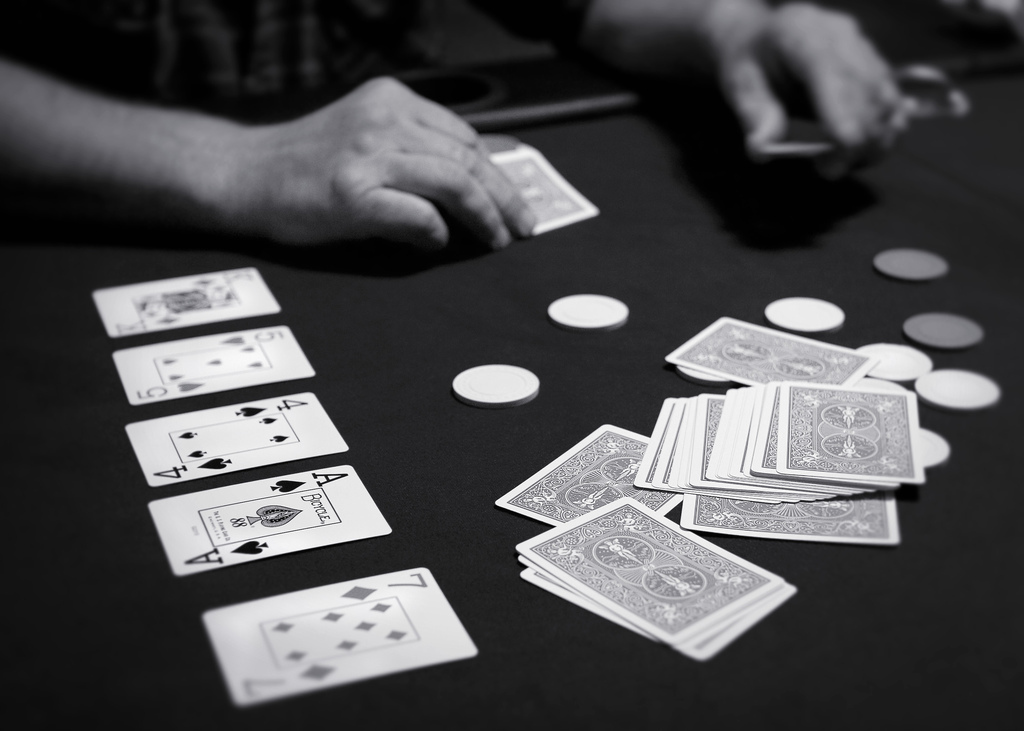
Understanding how professional players navigate critical tournament decisions separates winning players from the rest of the field. Every major poker event produces hands that become teaching moments for the entire community. Let’s dissect the strategic thinking behind game-changing decisions and how you can apply these lessons at your own tables.
What Happened
High-stakes poker tournaments consistently deliver dramatic confrontations that showcase the evolution of modern poker strategy. From bubble situations in major championship events to final table battles where ICM considerations clash with chip accumulation goals, these pivotal moments reveal how elite players balance aggression with survival instincts.
Recent tournament action has highlighted several recurring themes: light three-betting in position has become standard, squeeze plays from the blinds are more frequent than ever, and players are increasingly willing to put their tournament lives at risk with marginal holdings when stack depths and payout jumps justify the risk. The game continues to evolve toward higher variance plays, with players recognizing that accumulating chips often requires accepting short-term risk for long-term gain.
What makes these hands particularly instructive is the transparency with which players now discuss their thought processes. Post-game interviews, training site content, and social media breakdowns provide unprecedented access to elite-level thinking. Players openly discuss their exploitative adjustments, their baseline strategies, and the specific opponent tendencies that influenced their decisions in critical spots.
The Poker Strategy Breakdown
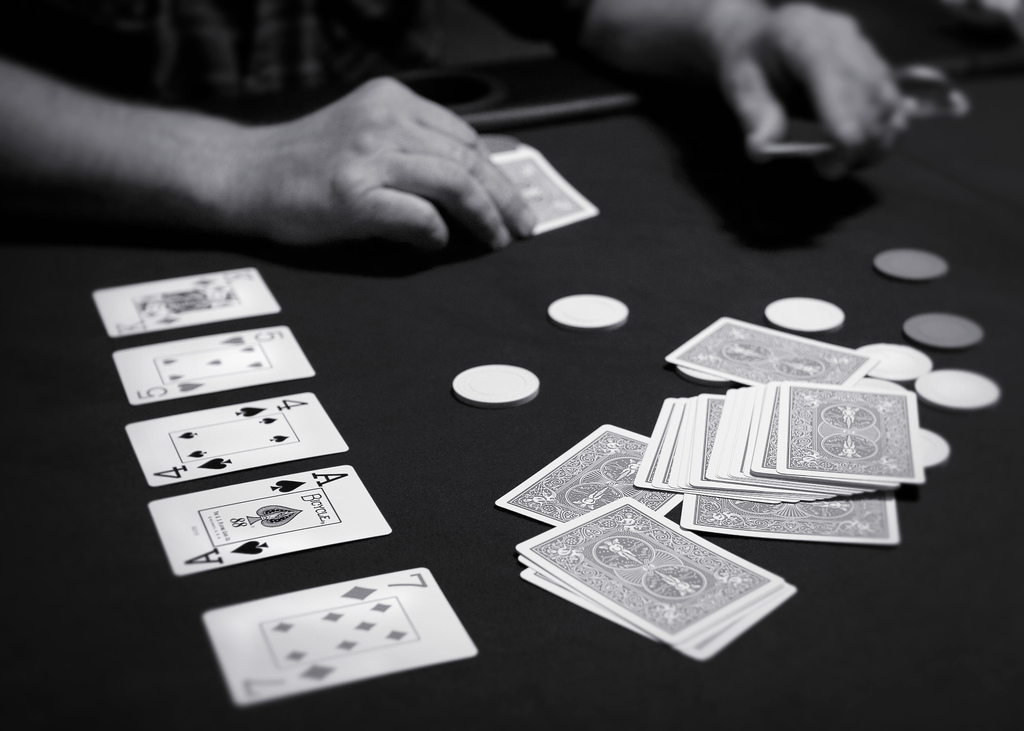
When analyzing tournament hands that reach showdown or result in significant chip movement, several strategic layers demand examination. The preflop action sets the stage, but understanding why players construct their ranges in specific ways reveals the deeper strategic concepts at play.
Consider a typical scenario: a middle position open, a button three-bet, and a big blind cold four-bet. Each action represents not just the specific hand being played, but an entire range of holdings that could take this action. The middle position opener might be raising 25-30% of hands, the button three-better could be defending with 8-12% of hands, and the big blind four-bettor needs an even tighter range—perhaps 3-5% of hands depending on stack depths and opponent tendencies.
The mathematical foundation of these decisions involves pot odds, implied odds, and fold equity calculations. When a player faces a three-bet, they need to continue with enough hands to prevent opponents from profitably three-betting any two cards. This defensive frequency depends on bet sizing—a min-three-bet requires defending roughly 60% of your opening range, while a larger 3.5x three-bet allows for tighter defense around 45% of hands.
Postflop play introduces additional complexity. Board texture dramatically affects range advantage and nut advantage. On an ace-high rainbow flop, the preflop aggressor typically has a significant range advantage, allowing for frequent continuation betting. However, on low connected boards, the defender’s range often contains more strong hands, shifting the dynamic and requiring the aggressor to check more frequently or use smaller bet sizes.
Bet sizing tells a story about hand strength and strategic intent. Smaller bets (25-40% pot) typically indicate polarized ranges or denial bets designed to prevent equity realization. Larger bets (66-100% pot) usually represent more condensed, value-heavy ranges or pure bluffs that need maximum fold equity. Understanding these sizing patterns helps you construct balanced strategies that prevent exploitation.
The turn and river decisions often come down to equity calculations and blockers. When a player holds a hand with 35% equity facing a pot-sized bet, they need to win more than 33% of the time to call profitably. But blocker effects matter tremendously—holding an ace when the board shows possible flush draws significantly reduces the combinations of value hands your opponent can hold, sometimes making a call correct even with modest equity.
Reading The Field & Table Dynamics
Tournament poker introduces variables that cash game players never encounter. Independent Chip Model (ICM) considerations fundamentally alter optimal strategy, especially near bubble situations and final table pay jumps. A hand that’s a clear call in a cash game might be a mandatory fold when you’re one elimination away from a significant payout increase.
ICM pressure affects different stack sizes asymmetrically. Short stacks face survival pressure but also gain leverage because their elimination benefits everyone else. Medium stacks face the most ICM pressure, as they have enough chips to ladder up the payout structure but can’t afford to bust. Big stacks can apply maximum pressure, knowing that opponents often can’t call with mathematically correct ranges due to ICM considerations.
Table dynamics shift throughout tournament stages. Early levels reward tight-aggressive play with deep stacks allowing for postflop maneuvering. Middle stages demand increased aggression as blinds and antes create more dead money worth fighting for. Late stages and final tables require constant adjustment to changing stack distributions and payout considerations.
Player profiling becomes crucial for exploitative play. Observant players categorize opponents along multiple dimensions: tight versus loose, passive versus aggressive, straightforward versus tricky, and ICM-aware versus ICM-ignorant. A tight-passive player who suddenly shows aggression likely holds a premium hand, while a loose-aggressive player’s raise could represent a much wider range.
Positional dynamics create natural power structures at the table. Players with position on aggressive opponents can three-bet light and apply pressure. Players out of position against skilled opponents must tighten their ranges and play more straightforwardly. The button and cutoff seats offer maximum stealing opportunities, while the blinds require careful defense to avoid being exploited by aggressive opponents.
Stack depth considerations change everything. With 100+ big blinds, implied odds and set-mining become profitable. At 30-50 big blinds, three-betting and four-betting ranges expand as players fight for fold equity. Below 20 big blinds, push-fold strategies dominate, with hand ranges determined by mathematical models rather than postflop playability.
How To Apply This To Your Game
Translating professional-level concepts into practical improvements requires systematic implementation. Start by reviewing your own hands with the same analytical rigor you apply to studying professional play. Every session should conclude with a review of your most significant pots, examining whether your decisions aligned with sound strategic principles.
Develop a preflop strategy matrix for different positions and situations. Know your opening ranges from each position, your three-betting ranges when facing opens, and your defending ranges when facing aggression. This foundation prevents costly preflop mistakes and ensures you enter postflop situations with appropriate hand ranges.
Practice range-based thinking rather than focusing solely on your specific holding. When you hold ace-king and face a three-bet, consider your entire opening range and how often you need to continue. This prevents you from playing your hand face-up and helps you construct balanced strategies that include both value hands and bluffs.
Implement a consistent bet sizing strategy that aligns with modern theory. Use smaller continuation bets (25-33% pot) on favorable boards where you have a range advantage. Use larger bets (66-75% pot) when polarizing your range or targeting specific opponent tendencies. Avoid random bet sizing that fails to accomplish strategic objectives.
Study ICM fundamentals and use ICM calculators to understand how payout structures affect calling ranges. Practice final table scenarios to develop intuition for when to apply pressure and when to exercise caution. Many players lose significant expected value by ignoring ICM or applying it incorrectly.
Exploit opponent tendencies while maintaining a balanced baseline strategy. If opponents fold too often to three-bets, increase your three-betting frequency. If they call too wide, tighten your bluffing range and value bet more thinly. If they’re too aggressive, trap with strong hands and call down lighter. Adaptation separates good players from great ones.
Use tracking software and hand review tools to identify leaks in your game. Common leaks include folding too often to continuation bets, calling too wide from the blinds, failing to three-bet enough from position, and missing value bets on the river. Quantifying these tendencies helps you target specific areas for improvement.
Key Takeaways
- Range-based thinking trumps focusing on specific holdings—consider your entire range and your opponent’s range in every decision
- ICM considerations fundamentally alter optimal strategy near bubbles and final tables, often requiring tighter play than chip EV suggests
- Bet sizing should serve strategic purposes—use smaller bets for range betting and larger bets when polarizing or targeting specific folds
- Position is power in poker—expand your aggression from late position and tighten your ranges from early position and the blinds
- Exploitative adjustments based on opponent tendencies generate the highest win rates, but maintain a balanced baseline strategy against unknown opponents
- Systematic hand review and statistical analysis of your play reveal leaks that feel-based assessment misses
Frequently Asked Questions
How do I know when to bluff versus value bet?
Your betting decision should consider board texture, your range advantage, and opponent tendencies. On boards that favor your range, you can bet frequently with both value hands and bluffs. Choose bluffs that have some equity (like flush draws or gutshots) and block opponent calling ranges. Value bet when you expect to be called by worse hands more than 50% of the time. Against calling stations, reduce bluffing frequency and value bet thinly. Against tight players, increase bluffing frequency and value bet only your strongest hands.
What’s the biggest mistake recreational players make in tournaments?
The most costly error is failing to adjust strategy for different tournament stages and stack depths. Many players use the same approach throughout the tournament, missing opportunities to accumulate chips early and failing to tighten up appropriately near pay jumps. Additionally, recreational players often ignore ICM considerations, making calls near the bubble that cost significant expected value. Learning to adjust aggression levels based on stack depth, table dynamics, and payout structure immediately improves tournament results.
How can I improve my hand reading skills?
Hand reading improves through deliberate practice and systematic analysis. During play, narrow your opponent’s range at each decision point based on their actions. After sessions, review significant hands and reconstruct opponent ranges based on their betting patterns. Use equity calculators to see how your hand performs against their likely range. Study how board texture interacts with different ranges. Over time, you’ll develop intuition for range distributions and make more accurate assessments during play. Consider using hand review software that allows you to assign ranges and calculate equities.
Final Thoughts
The gap between professional poker players and dedicated amateurs continues to narrow as strategic information becomes more accessible. However, knowledge alone doesn’t guarantee success—implementation separates those who improve from those who stagnate. The concepts discussed here represent foundational principles that apply across all formats and stakes, but they require consistent application and adjustment based on specific game conditions.
Your poker education should be ongoing and systematic. Each session provides data points about your decision-making quality and areas needing improvement. The players who advance most rapidly are those who combine study with practical application, constantly testing theoretical concepts against real-world results. Don’t just consume strategy content passively—actively apply new concepts at the tables and measure their effectiveness.
Remember that poker rewards long-term thinking over short-term results. A correctly played hand that loses is still correct, while a poorly played hand that wins teaches bad habits. Focus on process over outcomes, making decisions based on sound strategic principles rather than results-oriented thinking. This mindset shift alone will accelerate your development and lead to more consistent long-term profitability.
Ready to Sharpen Your Poker Game?
Master your poker game with expert hand analysis
