Elite Poker Pros Still Chasing Their First WSOP Bracelet
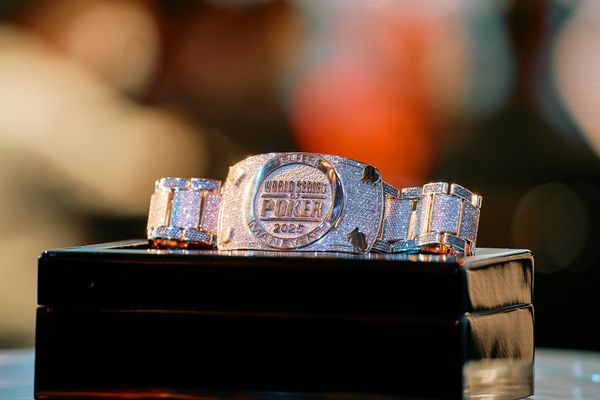
A World Series of Poker bracelet represents the ultimate tournament achievement, yet some of poker’s most accomplished professionals remain without one. These elite players have collectively earned hundreds of millions in tournament winnings, but the coveted WSOP hardware continues to elude them despite countless deep runs and agonizing final table finishes.
What Happened
The World Series of Poker bracelet has long been considered poker’s most prestigious individual honor. For decades, players have traveled to Las Vegas each summer with dreams of adding that distinctive piece of jewelry to their collection. While thousands have achieved this goal, a surprising number of the game’s most respected professionals have yet to break through.
What makes this phenomenon particularly intriguing is that many bracelet-less players have demonstrated exceptional skill across other tournament circuits. They’ve conquered high roller events, dominated the European Poker Tour, and accumulated career earnings that dwarf those of many bracelet winners. Their resumes are impeccable—except for that one glaring omission.
The variance inherent in tournament poker means that even the most skilled players can experience extended droughts. When you factor in field sizes that regularly exceed thousands of entrants, the mathematical reality becomes clear: winning a bracelet requires both exceptional skill and a healthy dose of good fortune at precisely the right moments.
The Poker Strategy Breakdown
Understanding why elite players remain bracelet-less requires examining the fundamental differences between WSOP events and other tournament series. The World Series features a unique blend of buy-in levels, structures, and player pools that create distinct strategic challenges.
High-volume professionals like Maria Ho—who has logged over 115 WSOP cashes—face a different strategic landscape than players who cherry-pick only the highest buy-in events. Ho’s approach demonstrates the grinding mentality required to maximize bracelet opportunities: play numerous events, navigate diverse field compositions, and consistently reach the later stages where variance plays an increasingly significant role.
Players like Christoph Vogelsang and Ben Tollerene, who focus primarily on high roller events, face smaller fields but encounter the game’s absolute best players concentrated at every table. Vogelsang’s $10 million in WSOP earnings across 44 cashes illustrates the profitability of this approach, but his 10 final tables without a victory highlight how difficult it is to close out events against world-class opposition.
The strategic considerations shift dramatically as tournaments progress. Early stages reward patient, fundamentally sound play that builds a stack while avoiding unnecessary confrontations. Middle stages demand aggression and well-timed moves to accumulate chips as antes escalate. Final tables introduce ICM considerations that can transform optimal strategy, particularly in events with significant pay jumps between positions.
Steve O’Dwyer’s case presents another strategic angle. Based in Ireland and focusing on European circuits, O’Dwyer hasn’t logged a live WSOP cash since 2018. His decision to prioritize EPT and Triton events over the WSOP represents a calculated choice about where to invest time and energy. The strategy has proven financially successful—O’Dwyer has accumulated massive earnings—but it naturally reduces his bracelet opportunities.
Jonathan Jaffe’s nine final table appearances with only one third-place finish as his best result demonstrates the brutal variance of final table play. The difference between winning and finishing in the middle of a final table often comes down to a handful of critical decisions and the cards that fall in key moments. Jaffe’s specialization in no-limit hold’em events means he’s competing in the most popular and competitive format, where fields are largest and the path to victory most challenging.
Reading The Field & Table Dynamics
The player dynamics at WSOP events differ significantly from other major tournament series. The summer series in Las Vegas attracts recreational players who save all year for their annual poker pilgrimage, creating softer fields in lower buy-in events. Simultaneously, high roller events concentrate the world’s best players, creating brutally difficult lineups where even slight strategic errors prove costly.
Patrik Antonius exemplifies the long-term perspective required in bracelet hunting. With cashes dating back to 2005 and six final table appearances, Antonius has repeatedly positioned himself for victory. His third-place finish in the 2007 $10,000 Pot-Limit Omaha Championship represents the type of near-miss that defines many bracelet-less careers. At final tables, the combination of ICM pressure, elite opposition, and short-handed dynamics creates an environment where even marginal edges matter enormously.
Table dynamics evolve throughout tournaments in predictable patterns. Early stages feature cautious play as players protect their stacks and avoid early elimination. As the money bubble approaches, tight players become exploitable targets for aggressive stack-builders. Post-bubble play opens up as players no longer face the binary outcome of busting without a cash.
Final table dynamics introduce unique psychological elements. Players who’ve never won a bracelet may feel additional pressure when approaching their best opportunity. Conversely, bracelet winners can draw on previous experience navigating these high-pressure situations. This psychological edge, while difficult to quantify, may contribute to the phenomenon of players like Phil Hellmuth accumulating multiple bracelets while elite pros remain shut out.
The ICM considerations at final tables can dramatically alter optimal strategy. Pay jumps incentivize survival over chip accumulation in certain spots, creating situations where folding strong hands becomes correct. Players must balance the immediate financial implications of each pay jump against their ultimate goal of winning the bracelet—a tension that doesn’t exist in cash games or earlier tournament stages.
How To Apply This To Your Game
The experiences of these bracelet-less professionals offer valuable lessons for players at all levels. First, recognize that tournament poker involves substantial variance even for the world’s best players. Christoph Vogelsang’s 44 cashes and 10 final tables without a victory illustrate that success doesn’t always manifest in titles. Focus on making optimal decisions rather than fixating on results you can’t control.
Volume matters significantly in tournament poker. Maria Ho’s 115 WSOP cashes didn’t happen by accident—they resulted from consistent participation and solid play across hundreds of events. If winning a major tournament is your goal, you need to create opportunities by playing regularly and putting yourself in position to run deep.
Specialize strategically, but recognize the tradeoffs. Jonathan Jaffe’s focus on no-limit hold’em has generated over $6 million in WSOP cashes, proving the viability of specialization. However, limiting yourself to one format also limits your opportunities. Consider developing competency in multiple games to maximize your chances while playing to your strengths in your best formats.
Study final table play specifically. The skills required to navigate nine-handed or six-handed final tables differ from those needed in earlier stages. Ben Tollerene’s back-to-back runner-up finishes in 2024 super high rollers demonstrate that reaching final tables is one skill; winning them is another. Dedicate study time to short-handed play, ICM calculations, and the psychological aspects of closing out tournaments.
Manage expectations and maintain perspective. Steve O’Dwyer’s success on European circuits while largely skipping the WSOP shows that bracelets aren’t the only measure of poker achievement. Define success on your own terms, whether that means bracelet hunting, maximizing earnings, or balancing poker with other life priorities as Maria Ho did when skipping the 2025 series.
Key Takeaways
- Elite players can accumulate tens of millions in tournament earnings without winning a WSOP bracelet, demonstrating the high variance inherent in tournament poker even at the highest skill levels
- Volume creates opportunity—players with more cashes and final table appearances naturally have more chances to break through, though success is never guaranteed
- Strategic specialization offers tradeoffs between maximizing edge in preferred formats versus creating more opportunities across diverse event types
- Final table dynamics require specific skills beyond those needed to reach late stages, including ICM mastery, short-handed expertise, and psychological resilience under pressure
- Geographic and lifestyle choices significantly impact bracelet opportunities, as players who prioritize other circuits naturally have fewer chances at WSOP events
- Near-misses and runner-up finishes, while financially rewarding, highlight the fine margins between winning and falling short at poker’s highest levels
Frequently Asked Questions
Why do some elite poker players never win a WSOP bracelet?
Tournament poker involves substantial variance, and even the most skilled players need favorable cards at critical moments to win. Additionally, some elite players focus their efforts on other tournament circuits, reducing their WSOP opportunities. Field sizes often exceeding thousands of entrants mean that even with a significant skill edge, any individual tournament represents a long-shot proposition. The concentration of world-class players at WSOP events, particularly in high roller tournaments, creates exceptionally difficult competition where marginal edges determine outcomes.
How important is a WSOP bracelet to a poker player’s legacy?
While bracelets carry significant prestige within the poker community, they’re far from the only measure of success. Many bracelet-less players have earned more money and demonstrated greater long-term consistency than bracelet winners. Players like Christoph Vogelsang and Steve O’Dwyer have built elite reputations based on their overall tournament results and high roller success. The importance of a bracelet ultimately depends on individual goals—some players prioritize the honor while others focus on maximizing earnings or work-life balance.
What’s the closest any of these players have come to winning a bracelet?
Several players on this list have finished as runner-up in WSOP events, representing the ultimate near-miss. Ben Tollerene finished second in two different super high rollers in 2024, while Christoph Vogelsang took second in the 2022 $25,000 Heads Up Championship. Maria Ho finished runner-up in the 2011 $5,000 No-Limit Hold’em event from an 865-player field. These second-place finishes often come down to a single hand or a brief stretch of cards, illustrating how close these elite players have come to breaking through.
Final Thoughts
The phenomenon of elite players without WSOP bracelets serves as a powerful reminder that poker success manifests in many forms. While the bracelet represents a prestigious achievement, the players discussed here have proven their exceptional skill through consistent results, massive career earnings, and respect from their peers. Their bracelet-less status doesn’t diminish their accomplishments—it simply highlights the variance inherent in tournament poker and the difficulty of winning even when you’re among the world’s best.
For aspiring tournament players, these examples offer both inspiration and realistic expectations. Success in poker isn’t always linear, and even the most talented players experience extended periods without capturing their most sought-after prizes. The key is maintaining focus on process over results, creating opportunities through volume and preparation, and recognizing that poker achievement extends far beyond any single trophy or title.
As the WSOP continues to expand with new formats, locations, and online events, these elite players will have more opportunities to finally capture their first bracelet. Whether they break through this year or continue their pursuit, their stories remind us that the journey itself—the deep runs, the tough decisions, the moments of brilliance—matters just as much as the destination.
Ready to Sharpen Your Poker Game?
Master your poker game with expert hand analysis