

Essential Poker Strategy Guide: Win More at the Tables
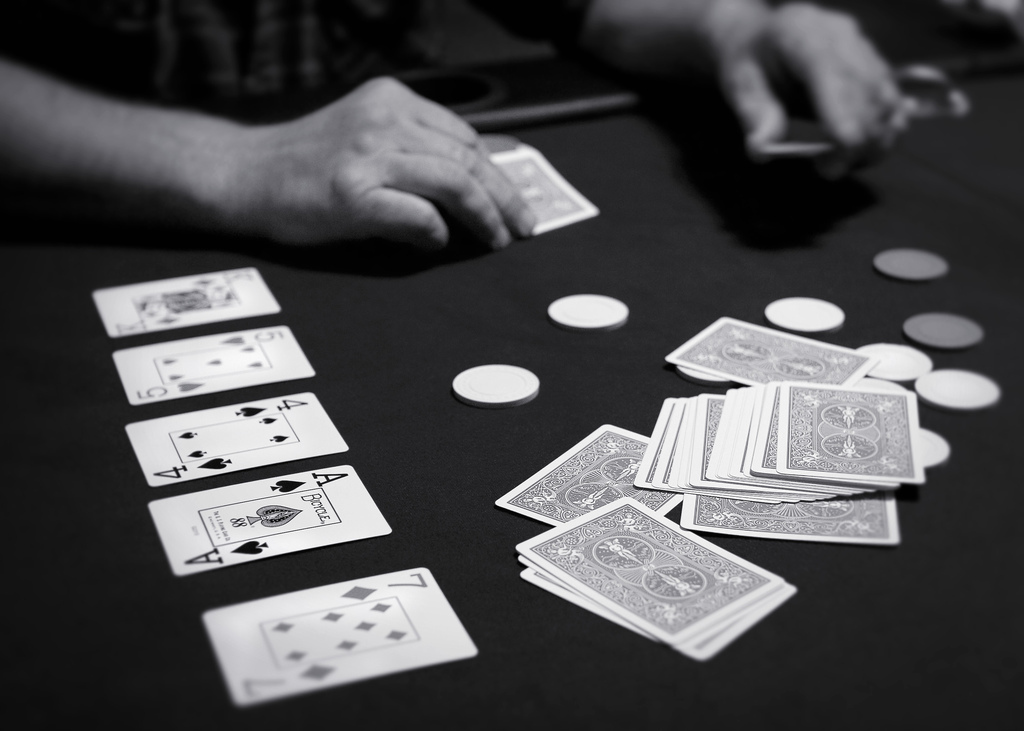
Mastering poker strategy separates consistent winners from recreational players who rely purely on luck. The difference between profitable and losing players isn’t the cards they’re dealt—it’s how they play them. Understanding fundamental strategic concepts transforms your game from guesswork into a calculated, methodical approach that generates long-term profits.
What Happened
Poker has evolved dramatically over the past two decades, transforming from a game dominated by instinct and reads into a mathematically-driven discipline. The modern poker landscape demands players understand concepts like pot odds, expected value, range construction, and game theory optimal play. Professional players now spend countless hours studying solver outputs, analyzing hand histories, and refining their strategic approach.
The proliferation of training sites, poker software, and educational content has raised the overall skill level across all stakes. What worked at the tables fifteen years ago—tight-aggressive play with straightforward value betting—no longer suffices against today’s educated player pool. Successful players must continuously adapt their strategies, balancing exploitative adjustments against solid fundamental play.
This strategic arms race has created a clear divide: players who invest time studying the game continue improving and moving up stakes, while those who resist learning modern concepts find themselves struggling even at micro limits. The good news? Strategic poker knowledge is more accessible than ever, and dedicated students of the game can accelerate their learning curve dramatically.
The Poker Strategy Breakdown
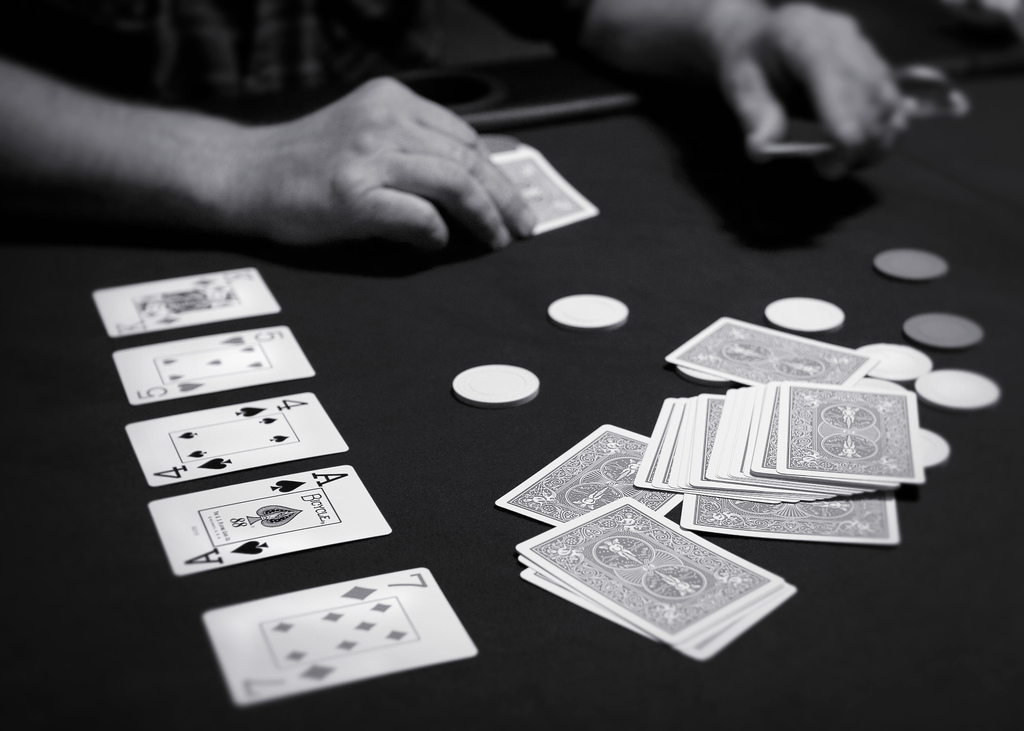
Effective poker strategy rests on several interconnected pillars that work together to create a winning approach. At the foundation sits position—your seat relative to the dealer button determines which hands you can profitably play. Late position players enjoy informational advantages, seeing how opponents act before making decisions. This allows for wider opening ranges and more creative post-flop play.
Hand selection forms the next critical layer. Beginners often play too many hands, bleeding chips with marginal holdings that perform poorly post-flop. Developing disciplined pre-flop ranges—tighter from early position, wider from late position—immediately improves your win rate. Premium pairs, strong broadway cards, and suited connectors form the core of most profitable opening ranges, while weak offsuit hands belong in the muck.
Aggression represents perhaps the most powerful weapon in poker. Aggressive players win pots two ways: by making the best hand or by forcing opponents to fold better holdings. Passive players who check and call can only win by showdown, surrendering the initiative and allowing opponents to dictate action. Strategic aggression—betting and raising with purpose rather than randomly—puts maximum pressure on opponents and builds bigger pots when you hold strong hands.
Pot odds and equity calculations provide the mathematical framework for decision-making. When facing a bet, compare the price you’re getting (pot odds) against your probability of winning (equity). If you’re getting 3-to-1 pot odds but only have 20% equity, folding becomes mandatory. Conversely, calling with 35% equity when getting 2-to-1 represents profitable play over the long run, even when you lose the immediate hand.
Bet sizing deserves careful consideration at every decision point. Your bet size should accomplish specific goals: building the pot with strong hands, protecting vulnerable holdings from draws, or setting up profitable river bluffs. Random bet sizes telegraph hand strength and leave money on the table. Thoughtful sizing maximizes value from worse hands while minimizing losses when behind.
Bankroll management, while not a tactical concept, determines whether you can sustain variance and continue playing your best game. Professionals recommend maintaining at least 20-30 buy-ins for cash games and 50-100 buy-ins for tournaments. Proper bankroll discipline prevents the desperation that leads to playing scared or taking shots at stakes beyond your skill level.
Reading The Field & Table Dynamics
No poker strategy exists in a vacuum—your approach must adapt to specific opponents and situations. Tight tables filled with risk-averse players reward aggressive stealing and bluffing, as opponents frequently surrender without strong holdings. Conversely, loose tables with multiple calling stations demand straightforward value betting, as bluffs rarely succeed against players who refuse to fold.
Player profiling accelerates your learning curve at any table. Within a few orbits, categorize opponents along two axes: tight versus loose (how many hands they play) and passive versus aggressive (how they play those hands). Tight-passive opponents bleed chips slowly and rarely bluff. Loose-aggressive players create action and variance. Adjust your strategy accordingly—value bet relentlessly against calling stations, but exercise caution against maniacs who frequently hold unexpected hands.
Stack sizes dramatically influence optimal strategy, particularly in tournaments. Deep-stacked play allows for complex post-flop maneuvering, multi-street bluffs, and implied odds considerations. Short-stacked situations simplify to push-fold decisions based on chip equity and tournament life considerations. Medium stacks require the most nuanced approach, balancing survival against accumulation.
Tournament stages demand strategic shifts as blinds escalate and the bubble approaches. Early tournament play resembles deep-stacked cash games, rewarding patient, solid play. As antes kick in and average stacks shrink relative to blinds, aggression becomes paramount—stealing blinds and antes represents the primary chip accumulation method. Bubble dynamics create unique exploitation opportunities against players desperately trying to cash, while final table play requires understanding Independent Chip Model (ICM) implications that make certain folds correct despite favorable pot odds.
Table image—how opponents perceive your playing style—creates exploitative opportunities. If you’ve shown down strong hands repeatedly, opponents give your bets excessive credit, making bluffs more effective. Conversely, getting caught bluffing or showing down weak hands enables bigger payoffs on premium holdings, as opponents suspect you’re bluffing again.
How To Apply This To Your Game
Translating strategic knowledge into practical results requires deliberate practice and honest self-assessment. Start by tightening your pre-flop ranges, particularly from early position. Many players hemorrhage chips by playing too many hands from unfavorable positions. Fold weak offsuit hands, resist the temptation to limp, and enter pots with raises that establish aggression and build pots with strong holdings.
Develop a consistent continuation betting strategy on the flop. As the pre-flop aggressor, you’ll frequently c-bet to follow through on your story and claim pots immediately. However, avoid autopilot c-betting on every flop—consider board texture, opponent tendencies, and your actual equity. Dry boards (like K-7-2 rainbow) favor the pre-flop raiser and warrant frequent c-bets, while coordinated boards (like 9-8-7 suited) connect with calling ranges and require more caution.
Practice hand reading by putting opponents on ranges rather than specific holdings. After each session, review key hands and reconstruct your opponent’s likely range at each decision point. This analytical approach reveals patterns in your thinking and identifies leaks in your game. Did you overvalue top pair against an opponent who only raises the turn with two pair or better? Recognizing these patterns prevents future mistakes.
Study away from the table using poker training resources, books, and software tools. Solvers like PioSolver or GTO+ reveal theoretically optimal strategies for specific situations, providing benchmarks for your decision-making. Training sites offer structured learning paths from fundamental concepts through advanced theory. Even dedicating 30 minutes daily to study produces dramatic improvements over months.
Track your results meticulously, recording not just wins and losses but specific situations and decision points. Patterns emerge from data—perhaps you’re losing money from the small blind, or your three-bet bluffs aren’t showing profit. Identifying these leaks through statistical analysis allows targeted improvement rather than vague attempts to “play better.”
Embrace variance as an inherent element of poker rather than a frustration to eliminate. Short-term results mean little; focus on decision quality rather than outcomes. Making the correct fold costs chips in the moment but saves money over thousands of hands. This long-term perspective prevents tilt and maintains strategic discipline during downswings.
Key Takeaways
- Position is power—play tighter from early position and expand your range from late position where you have informational advantages
- Aggression wins pots through two paths (best hand and folds), while passive play only wins at showdown, surrendering valuable fold equity
- Pot odds and equity calculations provide the mathematical foundation for profitable decision-making across all situations
- Adapt your strategy to specific opponents and table dynamics rather than playing a rigid, exploitable style
- Study away from the table using training resources, hand reviews, and solver analysis to accelerate improvement
- Track results and analyze patterns to identify leaks, then work deliberately on plugging those holes in your game
Frequently Asked Questions
What’s the single most important poker strategy concept for beginners?
Position awareness stands as the most crucial concept for developing players. Understanding that you can profitably play more hands from the button than under the gun immediately improves your win rate. Position provides informational advantages that allow you to play more creatively post-flop, control pot size, and make more accurate decisions based on opponent actions.
How do I know if I’m playing too many hands?
Track your VPIP (voluntarily put money in pot) percentage using poker tracking software. Winning players at most stakes show VPIP between 18-25% in full ring games and 22-30% in six-max games. If your VPIP exceeds 30%, you’re likely playing too many marginal hands that lose money long-term. Tighten your ranges, particularly from early position, and focus on playing premium holdings that perform well post-flop.
Should I focus on GTO strategy or exploitative play?
Balanced players incorporate both approaches. GTO (game theory optimal) strategy provides a solid baseline that prevents opponents from exploiting you, particularly useful against unknown or strong opponents. However, exploitative adjustments against weak players generate higher win rates—value betting more against calling stations, bluffing less against tight players. Learn GTO fundamentals first, then deviate strategically based on opponent tendencies to maximize profits.
Final Thoughts
Poker strategy represents a lifelong learning journey rather than a destination. The game’s complexity ensures that even elite professionals continue discovering new concepts and refining their approach. This depth creates both challenge and opportunity—players willing to study seriously can compete at high levels, while those treating poker as pure gambling will consistently lose to more prepared opponents.
The strategic concepts outlined here provide a framework for improvement, but reading alone won’t transform your results. Implementation matters most. Apply these principles at the tables, review your sessions honestly, and commit to continuous learning. Small improvements compound over time, turning marginal losing players into break-even players, break-even players into small winners, and small winners into consistent crushers.
Remember that poker rewards patience, discipline, and strategic thinking over luck and hope. Every session provides opportunities to make better decisions, and every hand offers lessons for those willing to learn. Embrace the challenge, trust the process, and watch your game evolve.
Ready to Sharpen Your Poker Game?
Master your poker game with expert hand analysis
