How Annette Obrestad Conquered WSOP Europe at 18 Years Old
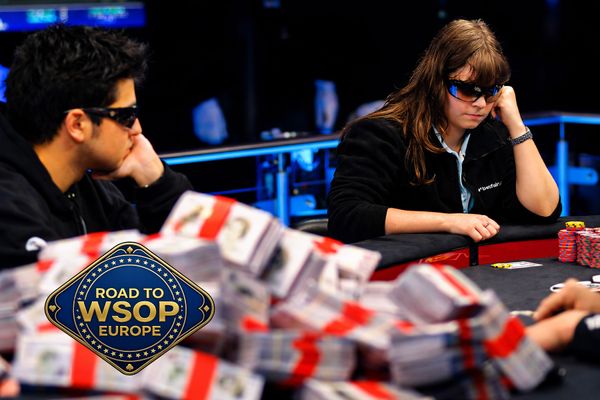
Annette Obrestad claimed her WSOP bracelet at the inaugural WSOP Europe Main Event in 2007, becoming the youngest champion in World Series history at just 18 years old—one day shy of her 19th birthday. The Norwegian online sensation leveraged aggressive tournament strategy and fearless play to dominate a field that included established professionals, proving that the new generation of internet-trained players could compete at poker’s highest level.
What Happened
The first WSOP Europe took place in London in September 2007, marking a historic expansion of poker’s most prestigious brand beyond Las Vegas. The £10,000 Main Event attracted 362 entries, creating a prize pool that would award £1,000,000 to the winner.
Annette Obrestad entered the tournament as a relative unknown in live poker circles, despite her legendary status in online games under the screenname ‘Annette_15’. Her online track record was extraordinary—she’d built a six-figure bankroll from freeroll winnings without ever making a deposit, grinding her way up through the stakes since she was 15 years old.
Throughout the multi-day event, Obrestad’s aggressive style contrasted sharply with many established professionals. She accumulated chips relentlessly, applying constant pressure and refusing to play passively even against big-name opponents. Her approach reflected thousands of hours of online tournament experience where aggression and position awareness trump conservative play.
The final table featured a mix of online qualifiers and live professionals, with Obrestad among the chip leaders. She navigated the final table methodically, maintaining her aggressive posture while avoiding unnecessary confrontations. When heads-up play began against John Tabatabai, both players held massive stacks exceeding 100 big blinds.
The decisive hand saw Obrestad holding A♠9♣ against Tabatabai’s K♦Q♦. The flop delivered A♥K♥10♥, giving both players top pair but Tabatabai additional flush and straight draws. All the chips went in, and when the 9♠ hit the turn, Obrestad’s two pair locked up the bracelet. The river was a formality, and poker history was made.
The Poker Strategy Breakdown
Obrestad’s victory showcased several strategic principles that defined successful tournament poker in the mid-2000s and remain relevant today. Her approach centered on relentless aggression, particularly in position, combined with an acute awareness of stack-to-pot ratios and opponent tendencies.
The Norwegian prodigy’s online background gave her a significant edge in hand volume experience. By age 18, she’d played more tournament hands than many professionals twice her age. This exposure meant she’d encountered virtually every common scenario multiple times, allowing for faster, more accurate decision-making under pressure.
Her famous stunt of winning a 180-player sit-and-go without looking at her hole cards—accomplished by covering them with a Post-it note—demonstrated her understanding of a crucial concept: position and opponent behavior matter more than card strength in many situations. While obviously not a sustainable long-term strategy, the exercise proved that aggressive play from position, combined with careful observation of opponent patterns, can overcome significant informational disadvantages.
In the WSOP Europe Main Event, Obrestad applied these principles with her full arsenal available. She identified opponents who played too passively, particularly those who would fold to aggression without premium holdings. She exploited position mercilessly, three-betting light from the button and cutoff to steal pots and build her stack without showdown.
Her willingness to apply pressure separated her from the field. Many professionals at the time still played relatively tight-aggressive styles, waiting for strong hands before committing chips. Obrestad recognized that tournament structures reward chip accumulation, and that folding equity—the probability opponents will fold to your bets—represents a crucial component of expected value calculations.
The final hand exemplified both skill and fortune. With A♠9♣, Obrestad held a decent but not premium hand. Against Tabatabai’s K♦Q♦, she was actually behind preflop. However, the A♥K♥10♥ flop created a complex situation where both players connected strongly. Tabatabai’s decision to commit his stack with top pair, flush draw, and gutshot straight draw was mathematically sound—he had approximately 45% equity against Obrestad’s range. The turn card simply favored Obrestad, but both players made defensible decisions based on the information available.
Reading The Field & Table Dynamics
One of Obrestad’s most significant advantages came from her ability to read table dynamics and adjust accordingly. She entered the tournament expecting to face the world’s best players and was surprised to discover that many established professionals played more passively than her regular online opponents.
This observation reveals an important truth about poker evolution: the online generation developed faster, more aggressive strategies through sheer hand volume and competition. Live professionals, while experienced, often played styles developed in earlier eras when tight-aggressive play dominated. Obrestad recognized this gap and exploited it ruthlessly.
Throughout the tournament, she paid careful attention to which opponents would defend their blinds, who would fold to continuation bets, and which players required strong hands to call three-bets. This information allowed her to target specific players in specific situations, maximizing her fold equity and chip accumulation rate.
As the tournament progressed into the money and toward the final table, ICM (Independent Chip Model) considerations became increasingly important. However, Obrestad’s large stack allowed her to maintain pressure without risking tournament life. With a big stack, she could afford to take slightly negative expected value spots if they generated significant fold equity or allowed her to accumulate more chips for later stages.
At the final table, she demonstrated patience when necessary while remaining aggressive when opportunities arose. This balance—knowing when to apply pressure and when to conserve chips—separates good tournament players from great ones. Her youth and relative inexperience in live settings didn’t prevent her from making sophisticated adjustments based on changing dynamics.
The heads-up battle against Tabatabai featured both players with deep stacks, creating a fascinating dynamic. With over 100 big blinds in play, the match became a test of postflop skill and aggression rather than preflop all-in poker. Obrestad’s online training gave her extensive heads-up experience, another edge over opponents who primarily played full-ring cash games or tournaments.
How To Apply This To Your Game
Obrestad’s approach offers several actionable lessons for modern tournament players. First, embrace aggression, particularly from position. Too many players wait for premium hands rather than creating opportunities through well-timed raises and three-bets. Study your opponents’ tendencies and identify those who fold too frequently to pressure.
Second, recognize that card strength represents only one factor in poker decisions. Position, stack sizes, opponent tendencies, and table dynamics often matter more than whether you hold pocket kings or pocket sixes. Develop your ability to win pots without showdown by applying pressure when opponents show weakness.
Third, accumulate hand volume. Obrestad’s experience came from playing thousands of tournaments online, exposing her to countless situations. Modern players can replicate this through online play, hand review software, and studying professional matches. The more scenarios you’ve encountered, the faster and more accurately you’ll make decisions under pressure.
Fourth, adjust your strategy based on opponent skill levels and tendencies. Obrestad expected world-class competition but discovered many professionals played passively. Rather than sticking to a predetermined strategy, she adapted to exploit the specific weaknesses she observed. Develop this flexibility in your own game by constantly observing and adjusting.
Fifth, maintain composure under pressure. Despite her age and limited live experience, Obrestad remained focused throughout the multi-day event. She didn’t let big pots, bad beats, or the presence of famous players distract her from optimal decision-making. Develop mental game skills through meditation, exercise, and deliberate practice in pressure situations.
Finally, understand that tournament poker rewards chip accumulation, not chip preservation. While survival matters, especially near money bubbles, the path to victory runs through building a large stack. Don’t play scared money. Take calculated risks when the situation warrants, particularly when you have fold equity and position on your side.
Key Takeaways
- Aggressive play from position generates more fold equity and chip accumulation opportunities than passive, card-dependent strategies
- Hand volume and experience matter enormously—Obrestad’s online background gave her pattern recognition advantages over live-only professionals
- Opponent observation and adjustment separate good players from great ones; exploit specific weaknesses rather than applying generic strategies
- Position and opponent tendencies often matter more than card strength in determining optimal play
- Deep-stack tournament play requires sophisticated postflop skills and the ability to apply pressure across multiple streets
- Mental game and composure under pressure enable optimal decision-making when stakes are highest
Frequently Asked Questions
How did Annette Obrestad build her bankroll without depositing money?
Obrestad started by playing for play money to learn the game, then entered freeroll tournaments that awarded real money prizes. She won small amounts in these free-entry events and carefully managed her bankroll, moving up stakes gradually as her funds grew. Her disciplined approach and high volume of play allowed her to build a six-figure bankroll over several years without ever making a deposit.
Did Annette Obrestad really win a tournament without looking at her cards?
Yes, Obrestad covered her hole cards with a Post-it note during a $4 buy-in, 180-player sit-and-go tournament and won without seeing her cards throughout the entire event. She undertook this challenge to demonstrate that position, aggression, and reading opponents matter more than card strength in many situations. While not a viable long-term strategy, the stunt showcased her advanced understanding of poker fundamentals.
What happened to Annette Obrestad’s poker career after WSOP Europe?
After her historic victory, Obrestad continued playing professionally with moderate success but never replicated the same level of dominance. She accumulated over $3.9 million in live tournament earnings and remained active in high-stakes games. However, like many early online phenoms, she eventually reduced her playing volume and maintained a lower profile in the poker world compared to her teenage years.
Final Thoughts
Annette Obrestad’s WSOP Europe victory represents more than just a remarkable individual achievement—it marked a generational shift in poker. The online-trained players who emerged in the mid-2000s brought aggressive, mathematically-sound strategies that challenged conventional wisdom. Obrestad embodied this transition, demonstrating that hand volume, fearless aggression, and opponent exploitation could overcome experience and reputation.
Her story reminds us that poker constantly evolves. Strategies that dominated one era become exploitable in the next. The best players remain students of the game, continuously adapting to new information and opponent tendencies. Whether you’re playing online microstakes or live high-roller events, the principles Obrestad demonstrated—aggression, position awareness, opponent observation, and fearless execution—remain fundamental to tournament success.
Modern players benefit from even more resources than Obrestad had available: solver software, training sites, hand databases, and coaching. The challenge lies in applying these tools effectively while developing the instincts and adjustments that separate mechanical play from true expertise. Study the fundamentals, accumulate experience, and never stop learning from both your successes and failures.
Ready to Sharpen Your Poker Game?
Master your poker game with expert hand analysis