How Luis Yepez Dominated WSOPC Las Vegas With Study & Discipline
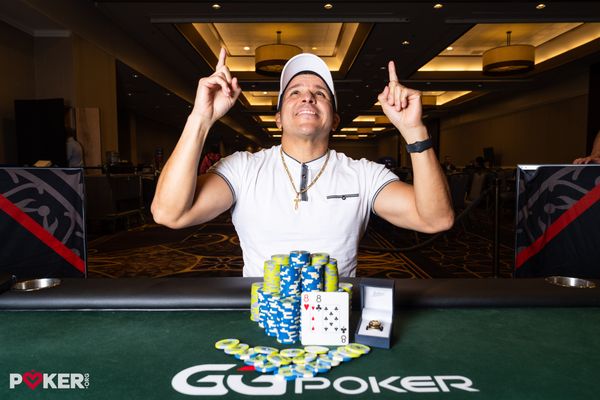
Luis Yepez turned relentless study sessions into a third WSOP Circuit ring, steamrolling the WSOPC Las Vegas Main Event with a commanding performance that left little doubt about the outcome. The Venezuela-born pro controlled the final table from start to finish, entering heads-up play with a staggering 90% of chips in play and never looking back.
What Happened
The WSOPC Las Vegas Main Event attracted 661 entries, generating a prize pool just over $1 million and crushing the initial $500,000 guarantee. This particular Circuit stop consistently draws some of the toughest competition on the tour, hosted at the same venue that becomes poker’s mecca each summer for the World Series of Poker.
Yepez, who relocated from Venezuela to Los Angeles about a decade ago, built his stack methodically through Day 2 before seizing the chip lead heading into Day 3. From that point forward, he maintained control with surgical precision, applying relentless pressure while avoiding the landmines that often derail even experienced pros at final tables.
Standing between Yepez and his third Circuit ring was Patrick Truong, a seasoned Las Vegas professional with over $2.4 million in career earnings. Truong had bagged the chip lead during Flight B and navigated consistently through each stage of the tournament. Despite his experience and strong play, Truong found himself facing an approximate 10:1 chip deficit when heads-up play commenced—a mountain too steep to climb against an opponent playing at Yepez’s level.
The final table featured the typical Circuit mix: local grinders who play these events religiously, traveling professionals chasing rings and ROI, and recreational players who qualified or took their shot at a life-changing score. This diversity created dynamic table conditions that required constant adjustment and awareness.
When the dust settled, Yepez claimed $181,740 for first place while Truong earned $121,120 for his runner-up finish. Kyle Grosshanten rounded out the podium in third for $84,010.
The Poker Strategy Breakdown
Yepez’s victory wasn’t built on spectacular hero calls or elaborate bluffs—it was constructed through fundamentally sound poker executed at a high level. His post-tournament comments revealed the foundation of his success: dedicated study with skilled players away from the felt.
“I’ve been studying and studying… and studying with really good guys,” Yepez explained after securing the victory. This commitment to continuous improvement represents the modern approach to tournament poker, where off-table work often determines on-table results.
The clearest evidence of Yepez’s preparation showed in his risk management. According to reports, he “avoided unnecessary risks” throughout the final table—a deceptively simple concept that separates winning players from those who flame out with big stacks. In Circuit Main Events, where the pay jumps become significant at final tables, preserving chips while maintaining pressure requires a delicate balance.
Consider the challenge Yepez faced: he entered Day 3 with the chip lead, making him the target for every short stack looking to double and every medium stack trying to accumulate. Maintaining a lead through an entire day of tournament poker demands more than just good cards—it requires positional awareness, accurate range construction, and the discipline to fold when the math doesn’t support aggression.
His steady accumulation strategy also prevented the wild swings that often characterize deep tournament runs. Rather than gambling for massive pots early, Yepez chipped away at opponents, building his stack through consistent pressure and well-timed aggression. By the time the final table was set, he had positioned himself to dictate terms rather than react to others.
The heads-up situation perfectly illustrated the power of chip leverage. Starting with roughly 90% of the chips in play, Yepez could apply maximum pressure on every hand, forcing Truong into difficult decisions for his tournament life. This wasn’t luck—it was the culmination of hundreds of correct decisions throughout the event.
Reading The Field & Table Dynamics
Circuit Main Events present unique challenges compared to other tournament formats. The $1,700 buy-in attracts a wide skill range, from recreational players taking their annual shot to professional grinders who play every Circuit stop. Understanding how to adjust to this mixed field separates consistent winners from one-time scorers.
The Las Vegas stop adds another layer of complexity. Played at the Rio (or similar major venue), these events draw heavy local participation from players who understand tournament poker but may have exploitable tendencies from playing together regularly. Traveling pros bring different styles, often more aggressive and theoretically sound. Recreational players add unpredictability, sometimes making unconventional plays that can crack even the strongest hands.
Yepez’s ability to navigate this mixed environment speaks to his table awareness. Effective final table play requires reading not just individual opponents but understanding how the entire table dynamic shifts as stacks change and pay jumps loom. Short stacks become desperate. Medium stacks get cautious. Big stacks can bully—but only if they recognize the spots.
ICM considerations become paramount at Circuit final tables, where the difference between ninth place ($13,730) and first ($181,740) represents life-changing money for many players. Yepez demonstrated ICM awareness by picking his spots carefully, understanding when to apply pressure and when to let smaller pots go to opponents who needed to gamble.
The composition of this particular final table—mixing locals, pros, and recreationals—likely created situations where certain players were overly cautious while others played too loose. Exploiting these imbalances requires observation and adjustment, skills that clearly served Yepez well throughout the event.
How To Apply This To Your Game
Yepez’s victory offers several actionable lessons for players at all levels looking to improve their tournament results.
Invest in study away from the table. Yepez explicitly credited his success to dedicated study with skilled players. This doesn’t require expensive coaching—study groups, hand history reviews with peers, and solver work can all dramatically improve your game. The key is consistency and working with players who challenge your thinking.
Protect your chip lead through risk management. When you accumulate a big stack, the temptation to gamble increases. Resist it. Yepez avoided unnecessary risks, understanding that maintaining a lead often matters more than maximizing every pot. In tournaments, survival with chips beats spectacular failure.
Build stacks steadily rather than seeking home runs. Yepez’s “clean run” suggests he won numerous small and medium pots rather than relying on massive coolers or suckouts. This approach reduces variance and keeps you in control of your tournament destiny. Singles and doubles win tournaments more reliably than swinging for the fences.
Adjust to mixed fields. Circuit events require different strategies than high rollers or online tournaments. Recognize when opponents are playing too tight (exploit with aggression) or too loose (tighten up and let them spew). Field reading is a skill that improves with practice and attention.
Maintain composure through long final tables. Circuit final tables can last many hours, testing both mental stamina and emotional control. Yepez “stayed composed throughout,” avoiding tilt and maintaining his strategic approach even as pressure mounted. Develop routines that keep you mentally fresh during extended sessions.
Leverage heads-up chip advantages ruthlessly. When Yepez entered heads-up play with 90% of chips, he closed out quickly rather than allowing momentum shifts. With massive chip leads, apply relentless pressure—your opponent must win multiple all-ins while you only need to win once.
Key Takeaways
- Luis Yepez captured his third WSOP Circuit ring and second Circuit Main Event title with a dominant performance at WSOPC Las Vegas, earning $181,740
- Dedicated study with skilled players formed the foundation of Yepez’s success, demonstrating how off-table work translates to tournament results
- Risk management and steady accumulation proved more effective than high-variance plays, as Yepez maintained his chip lead from Day 3 through the final hand
- The mixed field at Circuit events requires constant adjustment to different player types and skill levels
- Entering heads-up play with 90% of chips in play, Yepez closed efficiently without allowing his opponent back into contention
- Mental composure and emotional control throughout long tournament days separate consistent winners from occasional scorers
Frequently Asked Questions
How many WSOP Circuit rings does Luis Yepez have now?
Luis Yepez now has three WSOP Circuit rings following his victory at the WSOPC Las Vegas Main Event. This marks his second Circuit Main Event title, with his previous Main Event win coming at the Southern Indiana stop last year.
What was the chip situation when heads-up play started?
Luis Yepez held approximately 90% of the chips in play when heads-up action began against Patrick Truong, giving him roughly a 10:1 chip advantage. This massive chip lead allowed Yepez to apply relentless pressure and close out the tournament efficiently without significant momentum swings.
How much did the WSOPC Las Vegas Main Event prize pool reach?
The WSOPC Las Vegas Main Event generated a prize pool of $1,001,415 from 661 total entries, more than doubling the initial $500,000 guarantee. The tournament paid 81 places, with first place earning $181,740 and second place receiving $121,120.
Final Thoughts
Luis Yepez’s victory at the WSOPC Las Vegas Main Event exemplifies how modern tournament poker rewards preparation, discipline, and strategic execution over pure aggression or luck. His emphasis on continuous study, risk management, and maintaining composure under pressure provides a blueprint for players serious about improving their results.
What makes this win particularly instructive is its lack of dramatic flair—Yepez didn’t need spectacular plays or miraculous rivers to claim his third ring. Instead, he executed fundamental poker at a high level, made correct decisions consistently, and leveraged his chip advantages effectively. This approach may not generate highlight reels, but it generates consistent profits and championship hardware.
With the World Series of Poker approaching in just a couple of months, Yepez’s timing couldn’t be better. Confidence matters in poker, and entering the summer series with a fresh Circuit Main Event victory and $181,740 in the bankroll provides both psychological and financial momentum. Whether you’re preparing for your local tournament series or planning your WSOP schedule, the lessons from Yepez’s performance apply: study relentlessly, manage risk intelligently, and trust the process through variance.
Ready to Sharpen Your Poker Game?
Master your poker game with expert hand analysis