

Jamie Gold’s Short-Stack Masterclass at 2026 WSOP Warriors
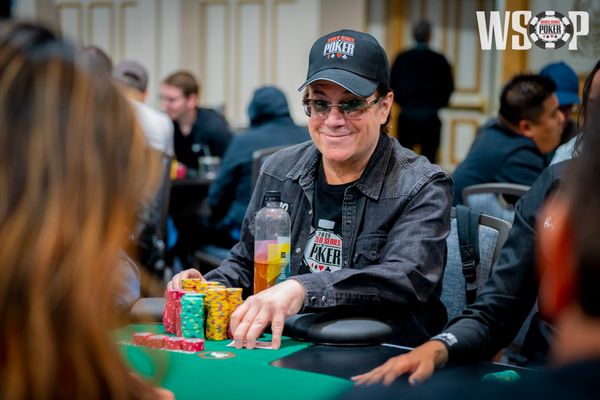
Twenty years after his legendary Main Event victory, Jamie Gold sits atop the leaderboard in the WSOP’s $500 Salute to Warriors event with just 35 players remaining. But with only 39 big blinds in his stack, the 2006 champion faces a completely different challenge than the deep-stacked dominance that defined his historic win two decades ago.
What Happened
The 2026 World Series of Poker delivered a nostalgic moment when Jamie Gold bagged the chip lead heading into the final day of the $500 Salute to Warriors tournament. Gold’s 15.7 million chips translate to roughly 39 big blinds—a respectable but far from commanding stack with 35 players still in contention for the bracelet.
The tournament carries special significance beyond the $208,800 first-place prize. The WSOP contributes a portion of the prize pool to the USO and veteran-focused charities, making this event particularly meaningful for Gold, whose father served in the military. For the former Main Event champion, this represents his first legitimate shot at a second bracelet since his $12 million score in 2006.
Also in the mix is Lexy Gavin-Mather, the respected coach and content creator who’s already notched a 23rd-place finish in the $1,700 Circuit Championship this series. After holding a competitive stack for most of Day 2, Gavin-Mather experienced a late downturn and will return with 4.3 million chips—just over 10 big blinds. With the majority of the field returning with fewer than 20 big blinds, the final day promises to be a push-or-fold clinic with occasional opportunities for skilled play.
The Poker Strategy Breakdown
Gold’s situation presents a fascinating strategic puzzle that differs dramatically from typical deep-stacked tournament poker. With 39 big blinds and 35 players remaining, he’s in what tournament professionals call the “awkward zone”—too deep to simply shove-or-fold, but too shallow to employ the full arsenal of postflop maneuvers that define modern tournament strategy.
The chip leader in this spot needs to balance aggression with survival. Gold can’t afford to play scared money, but he also can’t hemorrhage chips through speculative plays. His optimal strategy should involve:
Selective aggression from position: With antes in play and many opponents nursing short stacks, Gold should be attacking the blinds and antes relentlessly from the button and cutoff. However, he needs to be prepared to fold to resistance, especially from players with 15-25 big blinds who might be looking for spots to resteal.
Avoiding marginal spots against other big stacks: The biggest mistake chip leaders make at this stage is playing large pots against the only stacks that can hurt them. Gold should be extremely cautious in confrontations with the other top-five chip counts, saving his aggression for players who can’t fight back effectively.
Understanding push-fold dynamics: Even with 39 big blinds, Gold will face numerous all-in shoves from short stacks. He needs to understand proper calling ranges based on stack sizes, position, and ICM considerations. Calling off 8-10 big blinds with marginal hands can quickly erode his advantage.
Gavin-Mather’s situation is more straightforward but requires precision execution. With just over 10 big blinds, she’s firmly in push-fold territory. Her strategy should center on:
Finding the right spots to move all-in: She needs to identify situations where she can shove with fold equity—ideally from late position when the action folds to her, or when she can attack limpers. Her range should be wider than many recreational players would expect, potentially including any ace, any pair, suited connectors, and broadway cards.
Avoiding the trap of waiting for premium hands: The biggest mistake short stacks make is waiting too long for strong holdings. With blinds and antes constantly eroding her stack, Gavin-Mather can’t afford to blind down to 6-7 big blinds hoping for pocket aces. She needs to be proactive while she still has enough chips to generate folds.
Reading The Field & Table Dynamics
The final day dynamics will be heavily influenced by ICM pressure—the concept that tournament chips become less valuable the more you accumulate, and losing chips hurts more than gaining them helps. With 35 players remaining and significant pay jumps ahead, every decision carries amplified consequences.
Gold’s chip lead gives him leverage, but it’s not overwhelming. In a field where nearly everyone has fewer than 20 big blinds, the playing field can level quickly. One double-up from any short stack creates a new contender; one bad beat for Gold and he’s suddenly fighting for survival himself.
The presence of experienced players like Gavin-Mather adds another layer of complexity. Unlike recreational players who might make exploitable mistakes under pressure, skilled opponents will understand their own push-fold ranges and won’t be easily bullied. Gold will need to identify which players understand ICM and adjust accordingly—being more aggressive against those who are playing too tight for pay jumps, and more cautious against those who recognize their fold equity.
Table draw will be crucial. Gold’s 39 big blinds play very differently at a table full of 5-10 big blind stacks versus a table with multiple 25-30 big blind opponents. The former scenario allows him to apply maximum pressure; the latter requires a more conservative approach to avoid unnecessary confrontations.
The charitable nature of the event might also influence player psychology. Some competitors might be more willing to gamble, knowing they’re supporting a good cause regardless of the outcome. Others might feel additional pressure to perform well given the event’s mission. Reading these psychological factors in real-time will separate the elite players from the merely competent.
How To Apply This To Your Game
Whether you’re playing a $500 WSOP event or your local tournament, the situations Gold and Gavin-Mather face offer valuable lessons:
Study push-fold charts: When you’re below 20 big blinds, intuition isn’t enough. Invest time learning mathematically correct shoving and calling ranges. Tools like ICMizer or similar software can help you understand what hands are profitable to move all-in with from different positions and stack sizes.
Don’t coast with the chip lead: Having the most chips doesn’t mean you can relax. In fact, it often means you need to work harder to maintain your advantage. Use your stack to apply pressure, but don’t spew chips in unnecessary confrontations. Every chip you lose is a chip someone else can use against you.
Embrace variance when short-stacked: If you find yourself in Gavin-Mather’s position with 10-12 big blinds, accept that you’ll need to get lucky to win. Don’t wait for perfect spots that may never come. Move all-in with reasonable equity and give yourself chances to double up.
Adjust for the bubble and pay jumps: ICM considerations become paramount as you approach the money or significant pay increases. Sometimes the correct play is to fold hands you’d normally call with, simply because the risk of elimination outweighs the potential chip gain.
Consider your opponents’ skill levels: Against recreational players, you can often get away with more aggressive moves because they’ll fold too often. Against experienced opponents like Gavin-Mather, you need to respect their understanding of the game and avoid fancy plays that might backfire.
Key Takeaways
- Jamie Gold leads the final 35 players in the WSOP Salute to Warriors with 15.7 million chips (39 big blinds), seeking his first bracelet since his 2006 Main Event victory
- With most of the field returning with fewer than 20 big blinds, the final day will feature heavy push-fold dynamics and ICM pressure
- Lexy Gavin-Mather’s 10-big-blind stack requires aggressive play and willingness to move all-in with wider ranges than typical cash game strategy
- Gold’s medium stack requires selective aggression from position while avoiding unnecessary confrontations with other big stacks
- The charitable nature of the event adds personal meaning for Gold, whose father was a military veteran
- Understanding push-fold mathematics and ICM considerations is essential for success in short-stacked tournament situations
Frequently Asked Questions
How many WSOP bracelets does Jamie Gold have?
Jamie Gold has won one WSOP bracelet—his 2006 Main Event championship. Despite his historic $12 million victory, he hasn’t captured another bracelet in the 20 years since, making his chip lead in the Salute to Warriors event particularly significant for his legacy.
What is push-fold strategy in poker tournaments?
Push-fold strategy is a simplified approach used when stack sizes become too short for complex postflop play, typically below 15-20 big blinds. Players either move all-in (push) or fold preflop, rather than making standard raises. This strategy is mathematically optimal in many short-stack situations and relies on understanding which hands have enough equity to profitably shove based on position and opponents’ likely calling ranges.
How does ICM affect tournament strategy?
Independent Chip Model (ICM) calculates the real money value of tournament chips based on stack sizes and payout structure. Because tournament chips aren’t worth their face value—losing chips hurts more than gaining them helps—ICM often dictates more conservative play near pay jumps. Players should fold hands they’d normally call with when the risk of elimination outweighs the potential chip gain, especially when shorter stacks are likely to bust before them.
Final Thoughts
Jamie Gold’s pursuit of a second bracelet represents more than just another tournament score. Two decades removed from his Main Event triumph, he’s playing with house money in terms of legacy but genuine hunger for validation. The $500 Salute to Warriors offers him a chance to prove that his 2006 victory wasn’t a fluke, that he can still compete at poker’s highest level when it matters most.
The strategic challenges he and Gavin-Mather face on the final day mirror situations every tournament player encounters. Short-stacked play isn’t glamorous, but it’s where tournaments are won and lost. The ability to navigate 10-40 big blind situations with precision separates consistent winners from perpetual also-rans. Gold’s experience and Gavin-Mather’s technical knowledge will be tested against a field of hungry competitors, all seeking their own moment of glory.
Regardless of the outcome, this event showcases tournament poker at its most compelling—skilled players battling with imperfect information, managing risk and reward, all while supporting a worthy cause that honors those who’ve served. That’s the kind of poker that reminds us why we fell in love with the game in the first place.
Ready to Sharpen Your Poker Game?
Master your poker game with expert hand analysis
