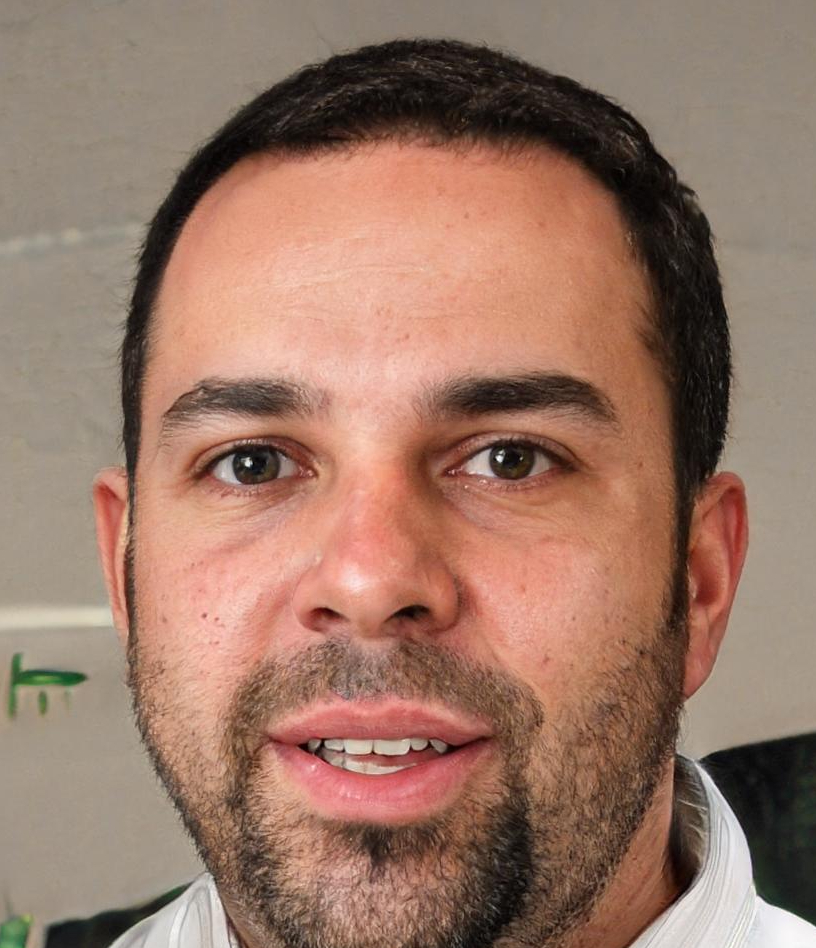
Jesse Lonis Dominates $5K PLO Final Table at 2026 WSOP
Jesse Lonis has assembled a mountain of chips heading into the final table of the $5,000 Pot-Limit Omaha event at the 2026 World Series of Poker, controlling nearly half the chips in play. With 17.6 million versus his nearest competitor’s 5 million, the two-time bracelet winner appears poised to add another piece of hardware to his collection. The question isn’t whether Lonis can win—it’s whether anyone can mount a credible challenge.
What Happened
The $5,000 Pot-Limit Omaha tournament at the 2026 WSOP has reached its final seven players, and Jesse Lonis sits in a commanding position that borders on the insurmountable. Beginning Day 2 as the second-largest stack with 120 players remaining, Lonis methodically dismantled the field through the late stages of play.
Dylan Weisman, who held the chip lead when Day 2 commenced, still has a seat at the final table but now finds himself in fourth position with just 2.8 million chips—roughly 34 big blinds. Meanwhile, Lonis has accumulated 17.6 million, translating to a staggering 220 big blinds heading into Saturday’s finale at the Paris Ballroom.
The remaining contenders include Stephen Hubbard (5 million), Evan Krentzman (4.2 million), Weisman (2.8 million), Jarred Graham (2.4 million), Yang Wang (1.7 million), and Justin Scott (1.4 million). Combined, these six players hold approximately 17.5 million chips—barely matching Lonis’s individual stack.

Play resumes Saturday at noon local time in Level 26, with blinds set at 40,000/80,000 with an 80,000 big blind ante. The disparity in stack sizes has prompted poker community discussion about Lonis’s chances, with some suggesting his odds of victory might be as favorable as a coin flip—though that assessment appears conservative given the sheer magnitude of his chip advantage.
The Poker Strategy Breakdown
Pot-Limit Omaha rewards aggressive play differently than No-Limit Hold’em, and Lonis’s chip accumulation demonstrates a masterclass in leveraging position and pot geometry. With 220 big blinds, he possesses the flexibility to apply maximum pressure while maintaining the stack depth necessary to realize equity in multi-street pots.
The pot-limit betting structure creates unique dynamics. Unlike no-limit formats where a chip leader can move all-in at any moment, PLO requires building pots through sequential betting rounds. This theoretically gives shorter stacks more opportunities to navigate postflop decisions. However, Lonis’s stack depth allows him to construct pots large enough to put opponents to decisions for their tournament lives by the river.
Consider the mathematics: with 220 big blinds, Lonis can open-raise to 2.5 big blinds, face a pot-sized three-bet to approximately 8.5 big blinds, and still have the ammunition to four-bet pot to roughly 27 big blinds. This puts immediate pressure on mid-stacks like Krentzman (52 big blinds) and Hubbard (62 big blinds), who must decide whether to commit significant portions of their stacks preflop or surrender equity.
The shorter stacks face even grimmer prospects. Wang (20 big blinds) and Scott (17 big blinds) are in push-fold territory, but PLO’s pot-limit structure means they can’t simply shove preflop for maximum fold equity. They’re forced to play smaller pots or commit their stacks across multiple streets, giving Lonis—an elite postflop player—additional opportunities to outmaneuver them.
Lonis’s strategic advantage extends beyond raw chip power. His reputation as a two-time WSOP bracelet winner and high-stakes crusher creates psychological pressure. Opponents know they’re facing someone capable of finding thin value bets and executing sophisticated bluffs. This reputation allows Lonis to win pots he shouldn’t, as players give his aggression excessive credit.
Reading The Field & Table Dynamics
The final table composition presents distinct challenges for each remaining player. Hubbard, as the second-place stack, occupies the most interesting strategic position. With 62 big blinds, he has enough chips to apply pressure but not enough to match Lonis’s aggression. His optimal strategy likely involves targeting the mid-stacks while avoiding confrontations with the chip leader unless he connects strongly with a flop.
The mid-stack cluster—Krentzman and Weisman—faces the classic squeeze. They’re too short to play deep-stack poker comfortably but too deep to adopt pure survival mode. These players need to accumulate chips without busting, a delicate balance that often leads to overly cautious play. Lonis can exploit this tendency by applying relentless pressure, forcing them to make marginal calls or surrender pot after pot.
Independent Chip Model (ICM) considerations heavily favor Lonis at this stage. With seven players remaining and significant pay jumps ahead, the shorter stacks have tremendous ICM pressure to survive. Each elimination represents a substantial increase in prize money, creating situations where mathematically correct folds occur even with strong hands.
Lonis, conversely, has minimal ICM pressure. He can afford to play high-variance poker because his stack ensures a strong finish regardless of short-term results. This asymmetry allows him to contest pots aggressively, knowing opponents face difficult decisions with tournament equity considerations weighing heavily on their choices.
The table dynamics will likely evolve through distinct phases. Initially, the short stacks may adopt survival mode, hoping others bust first. This creates opportunities for Lonis and Hubbard to accumulate chips from the mid-stacks. As blinds increase and antes bite deeper, the short stacks will be forced into action, creating potential double-up scenarios that could redistribute chips.
However, even if Scott or Wang doubles up, they’d still trail Lonis significantly. He’d need to lose multiple substantial pots—an unlikely scenario given his skill edge and positional advantages—for the final table to develop genuine competitive balance.
How To Apply This To Your Game
Lonis’s performance offers valuable lessons applicable to players at all levels. First, understand the power of accumulation. Many tournament players focus excessively on survival, missing opportunities to build dominant stacks. While reckless aggression leads to early exits, calculated aggression during favorable situations creates the chip mountains that win tournaments.
When you do acquire a significant chip lead, leverage it ruthlessly but intelligently. Don’t simply splash chips around—identify the players under ICM pressure and target them specifically. The mid-stacks trying to ladder up pay jumps are your primary targets, not the short stacks looking to double or go home.
In PLO specifically, stack depth fundamentally alters hand values. Hands like double-suited aces gain value with deeper stacks because you can build large pots when you connect strongly. Conversely, short-stacked PLO requires tighter preflop standards because you lack the postflop maneuverability to realize equity effectively.
Study pot geometry in pot-limit formats. Understanding how pot-sized bets escalate allows you to plan betting sequences that either build large pots with strong hands or apply maximum pressure with bluffs. This mathematical foundation separates competent PLO players from elite ones.
Finally, recognize that reputation matters. Lonis’s history of success amplifies his chip lead’s effectiveness. In your local games, building a reputation as a thinking, aggressive player pays dividends in future sessions. Opponents will give your bets more respect, allowing you to win pots with weaker holdings.
Key Takeaways
- Jesse Lonis holds 17.6 million chips (220 big blinds) at the $5K PLO final table, nearly equaling the combined total of his six opponents
- Pot-limit betting structures create unique dynamics where chip leaders can apply pressure through sequential betting rounds rather than all-in shoves
- ICM pressure heavily favors massive chip leaders at final tables, as opponents must balance chip accumulation against survival considerations
- Mid-stacks face the most difficult strategic decisions, being too short for comfort but too deep to adopt push-fold strategies
- Stack depth in PLO fundamentally changes hand values and strategic approaches compared to shorter-stacked play
- Reputation and proven skill amplify chip advantages, as opponents give elite players additional credit for their actions
Frequently Asked Questions
What are Jesse Lonis’s actual odds of winning the $5K PLO bracelet?
While community speculation suggests anywhere from 50% to 83% (5-to-1 odds), Lonis’s actual win probability likely exceeds 60% given his massive chip advantage, skill edge, and ICM pressure on opponents. Historical data shows that players holding 50% of chips in play at seven-handed final tables win approximately 55-65% of the time, and Lonis’s elite skill level pushes him toward the higher end of that range.
How does pot-limit betting affect final table dynamics compared to no-limit?
Pot-limit structures prevent short stacks from moving all-in preflop for maximum fold equity, forcing them to play postflop poker where skill edges matter more. This benefits elite players like Lonis who excel at postflop decision-making. Additionally, pot-limit betting allows chip leaders to build pots gradually, applying pressure across multiple streets rather than forcing immediate all-in confrontations.
What strategy should Lonis’s opponents employ to maximize their chances?
The remaining players should avoid confronting Lonis unless they have premium holdings and favorable position. Instead, they should target each other, particularly the mid-stacks who have chips worth stealing. The short stacks need to find spots to double through the mid-stacks rather than the chip leader. Coordinated aggression against Lonis—while difficult to execute—represents their best path to redistributing chips and creating competitive balance.
Final Thoughts
Jesse Lonis has positioned himself for what appears to be an inevitable march to his third WSOP bracelet. The combination of overwhelming chip advantage, elite skill, and favorable game dynamics creates a scenario where his opponents need significant fortune to overcome the structural disadvantages they face. While poker’s variance ensures nothing is guaranteed, Lonis has done everything possible to maximize his winning chances.
For poker students, this final table provides a masterclass in chip accumulation and leverage. Lonis didn’t merely survive to the final table—he dominated the field through calculated aggression and superior postflop play. His performance demonstrates that tournament poker rewards players who seize opportunities to build commanding leads rather than those who play conservatively hoping to outlast opponents.
Saturday’s finale will reveal whether any of the remaining six players can engineer a comeback or whether Lonis will complete his demolition of the $5K PLO field. Regardless of the outcome, his performance through two days exemplifies championship-caliber tournament poker at its finest.
Ready to Sharpen Your Poker Game?
Master your poker game with expert hand analysis