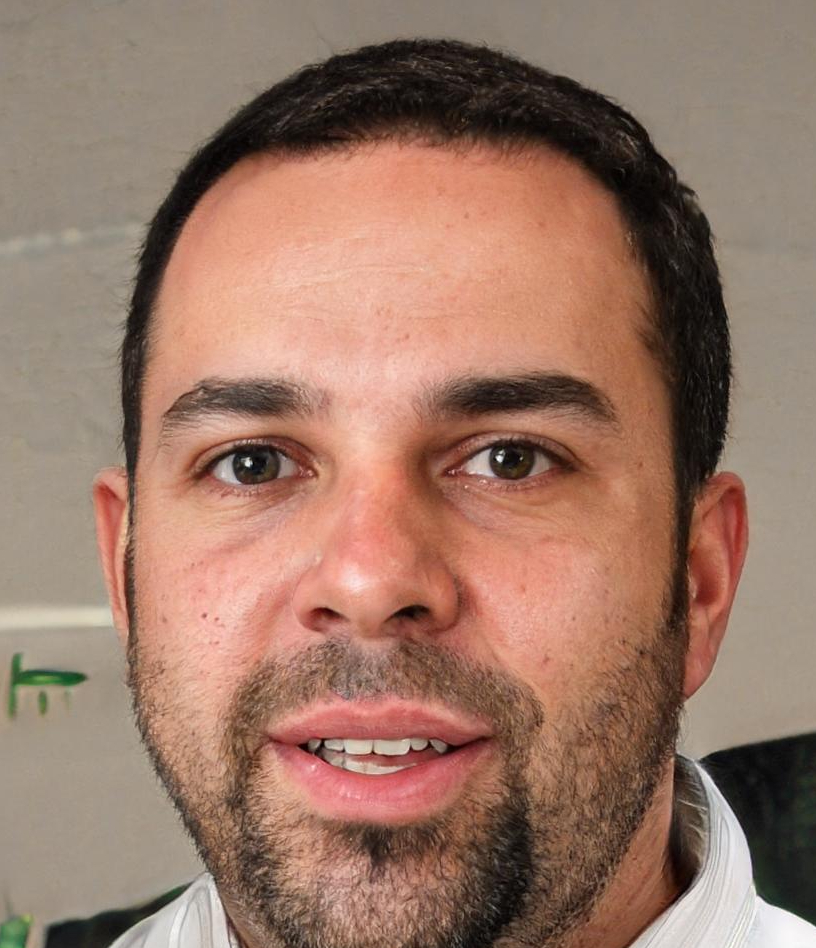
Joao Simao Claims $50K PLO High Roller WSOP Bracelet
Brazilian poker star Joao Simao captured his fourth World Series of Poker bracelet and $1,368,700 in prize money after outlasting a world-class field in the $50,000 Pot-Limit Omaha High Roller. The victory pushed Simao’s career tournament earnings past the $20 million milestone, cementing his status among poker’s elite.
What Happened
Event #55 of the 2026 WSOP attracted 110 entries, generating a prize pool of $5,225,000. The final table brought together an international lineup featuring players from Brazil, Japan, the Netherlands, the United States, India, Bulgaria, and the United Kingdom — a true showcase of global poker talent.
The tournament concluded on June 21st after nearly eight hours of intense final table action. When play began at 2pm, Welsh player Robert Cowan held the chip advantage, but the lead would change hands multiple times throughout the day. By the time the final cards were dealt at 9:30pm, it was Simao who emerged victorious after defeating India’s Santhosh Suvarna in heads-up play.
Suvarna’s runner-up finish earned him $912,420, adding to an impressive run that has seen him accumulate $4.6 million in cashes since the 2025 WSOP — remarkable numbers for someone often described as an amateur player. Cowan finished third for $628,510 after holding a commanding chip lead late in the tournament.
The final table payouts reflected the premium buy-in level:
- 1st: Joao Simao – $1,368,700
- 2nd: Santhosh Suvarna – $912,420
- 3rd: Robert Cowan – $628,510
- 4th: Venkat Chivukula – $445,440
- 5th: Carlo Van Ravenswoud – $325,080
- 6th: Yuri Dvizielevski – $244,508
- 7th: Naoya Kihara – $189,720
- 8th: Veselin Karakitukov – $152,020

The Poker Strategy Breakdown
The tournament’s most pivotal hands demonstrated the variance and complexity that make Pot-Limit Omaha such a challenging game. Early in final table action, Simao built his stack by eliminating Japan’s Naoya Kihara in a classic cooler situation where both players rivered full houses.
The board ran out with both players holding monster hands. Kihara showed pocket eights for eights full of tens, but Simao’s pocket tens gave him the superior full house — tens full of eights. In PLO, these situations are nearly impossible to avoid, and Kihara’s elimination highlighted how even premium holdings can become second-best in this variance-heavy game.
Kihara had been seeking his third bracelet of the series and fourth overall, having already knocked out Bulgaria’s Veselin Karakitukov earlier in the day. His deep run continued an exceptional WSOP that has placed him in contention for Player of the Year honors.
The dynamics shifted dramatically when Suvarna flopped the nut straight against Cowan. Holding ace-queen in his hand, Suvarna connected perfectly with a queen-jack-ten flop. The danger in PLO, of course, is that flopping the nuts doesn’t guarantee victory — with four cards per player, draws are everywhere and equity runs closer than in Hold’em.
Cowan held top pair with a flush draw, a hand with significant equity against Suvarna’s made straight. But the turn and river bricked out, and Suvarna’s hand held up to deal a serious blow to the chip leader’s stack. This hand exemplified proper PLO aggression — Suvarna maximized value from his flopped straight while Cowan correctly applied pressure with his combination draw.
Carlo Van Ravenswoud’s fifth-place exit came at Simao’s hands when the Dutch player couldn’t fade a river card. Venkat Chivukula followed in fourth, his chips going to Suvarna and setting up a three-handed battle that would produce unexpected twists.
The most dramatic swing came when Cowan accumulated a stack worth more than double his two opponents combined. At that point, the tournament appeared decided. But PLO’s swings are legendary, and the chip stacks quickly leveled before Cowan’s shocking third-place elimination.
The critical hand saw Cowan raise preflop with a hand containing top pair potential and flush draw possibilities. Suvarna called with a connected hand, and the flop delivered him an immediate straight. When Cowan shoved with his pair and flush draw, Suvarna made the call. The turn and river changed nothing, and suddenly the tournament was heads-up with Suvarna holding a 20.8 million to 12.2 million chip advantage.
Reading The Field & Table Dynamics
The international composition of this final table created fascinating strategic dynamics. With players from eight different countries, varying playing styles and approaches to PLO were on full display. Brazilian players Simao and Dvizielevski brought their aggressive Latin American tournament style, while Kihara represented the increasingly formidable Asian poker contingent.
Suvarna’s performance deserves special attention. Despite being labeled an amateur, his $4.6 million in cashes since last year’s WSOP tells a different story. His ability to navigate short-stack situations repeatedly during three-handed play demonstrated advanced ICM understanding and pressure application. Rather than going broke during his multiple trips to a short stack, he patiently rebuilt and eventually eliminated the chip leader.
Cowan’s collapse from a dominant position illustrates the importance of maintaining focus in PLO even with commanding chip leads. In No-Limit Hold’em, doubling your opponents’ combined stacks often means victory is nearly assured. In PLO, that same advantage can evaporate in two or three hands. Cowan played fundamentally sound poker but couldn’t overcome the variance when his strong holdings ran into opponents’ made hands.
The heads-up battle between Simao and Suvarna showcased two contrasting approaches. Simao brought decades of high-stakes tournament experience, while Suvarna relied on his recent hot streak and fearless aggression. The back-and-forth nature of their match reflected how closely matched they were in skill and chip stack.
Simao’s eventual victory came from his ability to apply consistent pressure and force difficult decisions. His experience in high-pressure situations — this being his fourth WSOP bracelet — gave him the composure needed to navigate the swings and ultimately close out the tournament.
How To Apply This To Your Game
The strategic lessons from this tournament extend beyond high-stakes PLO to poker generally. First, understand that in Omaha, flopping strong hands doesn’t mean you should automatically slow-play. Suvarna’s aggressive approach with his flopped straight against Cowan was correct — he built the pot and forced his opponent to make decisions with a drawing hand.
Second, recognize when you’re drawing and calculate your equity honestly. Cowan’s shove with top pair and a flush draw wasn’t reckless — he had significant equity against many hands. However, against a made straight, his outs were limited. In PLO, combination draws are powerful, but you must accurately assess whether you’re ahead or behind.
Third, chip leads in PLO are more fragile than in other poker variants. If you build a big stack, don’t become complacent. Cowan’s experience demonstrates that even massive advantages can disappear quickly. Conversely, if you’re short-stacked, don’t panic — Suvarna proved that patient, strategic play can overcome significant chip deficits.
Fourth, hand reading in PLO requires thinking about ranges differently than in Hold’em. With four cards instead of two, players can hold many more combinations. When the board shows coordinated cards, assume your opponents have connected unless their actions suggest otherwise.
Finally, tournament survival sometimes means accepting small edges and grinding rather than gambling. Kihara’s decision to immediately register another tournament after his elimination shows the professional mindset — one tournament result doesn’t define your series.
Key Takeaways
- Joao Simao won his fourth WSOP bracelet and crossed $20 million in career tournament earnings with his victory in the $50,000 PLO High Roller
- The tournament attracted 110 entries and generated a $5,225,000 prize pool, with Simao earning $1,368,700 for first place
- Santhosh Suvarna’s runner-up finish for $912,420 continued his remarkable run of $4.6 million in cashes since the 2025 WSOP
- Robert Cowan held more than double his opponents’ combined chips three-handed but finished third after the volatile nature of PLO produced dramatic swings
- The final table featured players from eight countries, showcasing the global nature of high-stakes tournament poker
- Key hands demonstrated classic PLO scenarios: cooler full houses, flopped straights versus combination draws, and the importance of hand reading with four-card holdings
Frequently Asked Questions
How many WSOP bracelets does Joao Simao have now?
Joao Simao now has four WSOP bracelets after winning the $50,000 Pot-Limit Omaha High Roller. This victory also pushed his career tournament earnings past $20 million, establishing him as one of Brazil’s most successful tournament players and a force in high-stakes poker worldwide.
What makes Pot-Limit Omaha more volatile than No-Limit Hold’em?
PLO is more volatile because each player receives four hole cards instead of two, creating many more possible hand combinations. This means players frequently have strong made hands, powerful draws, or both simultaneously. Equity runs closer between hands, and massive chip leads can disappear in just a few hands. The game also produces more multiway pots and larger swings than Hold’em.
Who is Santhosh Suvarna and why is he called an amateur?
Santhosh Suvarna is often described as an amateur despite having accumulated over $23 million in career earnings and $4.6 million in cashes since the 2025 WSOP alone. The “amateur” label likely stems from poker not being his primary profession, but his results clearly demonstrate world-class skill. His runner-up finish in this event earned him $912,420 and showcased his ability to compete against the game’s elite players.
Final Thoughts
Joao Simao’s victory in the $50,000 PLO High Roller reinforces his position among poker’s elite players. His fourth bracelet and $20 million career milestone represent years of dedication to mastering one of poker’s most complex variants. The tournament also highlighted the growing strength of international poker, with the final table featuring top players from across the globe competing at the highest level.
For students of the game, this tournament offers valuable lessons about PLO strategy, bankroll swings, and mental fortitude. The dramatic momentum shifts — particularly Cowan’s collapse from a dominant position and Suvarna’s multiple recoveries from short-stack situations — demonstrate why PLO demands both technical skill and psychological resilience. Whether you play high-stakes tournaments or micro-stakes cash games, the principles remain the same: understand equity, read board textures, and never underestimate variance.
As the 2026 WSOP continues, Simao’s win sets a high bar for the remaining high roller events. With the FIFA World Cup approaching and Brazilian confidence soaring in both football and poker, this summer belongs to the champions from South America’s largest nation.
Ready to Sharpen Your Poker Game?
Master your poker game with expert hand analysis