

Kabrhel Bust, Obrestad Surge: WSOPE Main Event Strategy
The 2026 WSOPE Main Event kicked off with fireworks as Martin Kabrhel torched three bullets in spectacular fashion while 2007 champion Annette Obrestad demonstrated disciplined tournament poker to build a commanding stack. Day 1A saw 803 entries crush expectations, with the €10 million guarantee looking conservative for Europe’s biggest-ever live guaranteed event.
What Happened
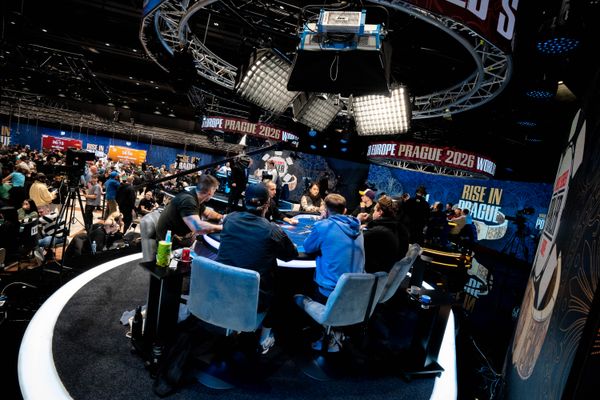
Prague’s King’s Casino hosted the opening flight of the WSOPE Main Event, and the numbers told an impressive story. With a reduced €5,300 buy-in—half of 2025’s price tag—the tournament attracted 803 entries on Day 1A alone, already surpassing last year’s entire Main Event field of 659 players. The €10 million guarantee represents the largest in European poker history, and organizers may have left money on the table with such conservative projections.
The Czech poker professional Martin Kabrhel provided early entertainment on the livestream, though not in the way he might have hoped. After a theatrical exchange with tournament staff about being moved to the feature table, Kabrhel found himself in a massive pot against Italian pro Mustapha Kanit. Holding pocket queens, Kabrhel three-bet preflop and faced Kanit’s call with jack-ten suited. The flop delivered Kanit the absolute nuts with a queen-high straight, and despite Kabrhel flopping top set, his tournament life was about to get complicated.
Kabrhel’s pot-sized flop bet received a call, and after checking the turn, Kanit faced another 15,500 bet. The Italian minimum raised to 32,000, and Kabrhel called. When Kanit shoved the river, Kabrhel made the crying call that ended his first bullet. “It’s been a pleasure playing with you, but we need to make the prize pool bigger,” Kabrhel announced before committing his chips. Kanit couldn’t resist: “It’s been very nice to play with you. Bye-bye. It was short, but intense.”
Kabrhel re-entered twice more, burning through his maximum three Day 1A bullets before the flight concluded. Meanwhile, Annette Obrestad—who ceremonially announced “Shuffle Up and Deal!” as the 2007 champion—demonstrated a contrasting approach. She made a disciplined fold with pocket kings after five-betting action put her tournament life at risk against Blake Bohn’s pocket aces, preserving her 60,000 starting stack and later building to over 160,000 chips.
The day concluded with 336 players advancing to Day 2, setting up what could be one of the largest WSOPE Main Events in recent memory. Notable stacks included Erick Lindgren (356,500), Frankie C (348,000), and Jose Barbero (289,500) leading the way.
The Poker Strategy Breakdown
The Kabrhel-Kanit hand offers a masterclass in why set-over-straight situations create such devastating coolers in tournament poker. Kabrhel’s preflop three-bet with pocket queens represents standard aggression, especially against an opponent like Kanit who understands range construction. When Kanit flatted with jack-ten suited, he maintained positional advantage while keeping his range wide and disguised.
The queen-high flop created the perfect storm. Kabrhel flopped top set—a hand that wins the pot an overwhelming majority of the time—while Kanit flopped the stone-cold nuts. Kabrhel’s pot-sized continuation bet makes complete sense with his hand strength, and Kanit’s flat call is textbook deception. By just calling rather than raising, Kanit keeps Kabrhel’s entire range in the pot, including overpairs that might fold to aggression and bluffs that will give up on later streets.
The turn decision point reveals critical tournament considerations. When Kanit checked and Kabrhel bet 15,500 into a pot of approximately 40,000, he’s continuing to extract value from worse hands while building the pot with what he believes is the best hand. Kanit’s minimum raise to 32,000 is a sophisticated play that appears weak while actually being incredibly strong. This sizing accomplishes two goals: it looks like a blocking bet or thin value raise that might induce a shove from overpairs or even ace-queen type hands, while risking minimal chips if Kabrhel somehow has a better hand.
Kabrhel’s call of the turn raise is where tournament survival instincts should have started screaming. Against a player of Kanit’s caliber, a check-raise on this texture—especially a minimum raise—rarely represents a bluff or thin value. The board of queen-high with straight possibilities means Kanit’s range here is heavily weighted toward straights, sets, or possibly a hand like ace-queen. With 60,000 starting stacks and effective stacks around 100,000 at this point, Kabrhel is pot-committed if he calls the turn raise.
The river shove from Kanit is academic at this point. Once Kabrhel called the turn raise with his remaining stack representing less than a pot-sized bet, folding becomes nearly impossible. The pot odds demand a call, and Kabrhel’s hand is simply too strong to fold in a vacuum. This is what makes coolers so brutal in tournament poker—both players played their hands reasonably given their holdings, but the deck delivered a situation where one player was drawing dead or nearly dead from the flop onward.
Contrast this with Obrestad’s pocket kings situation. Facing a five-bet shove early in a tournament with deep stacks, she recognized that her opponent’s range is extremely narrow—likely aces, kings, or occasionally ace-king suited. Without specific reads suggesting her opponent is capable of five-bet shoving lighter, folding kings becomes a viable option when preserving your tournament life matters more than winning a single pot. This is advanced tournament thinking that separates good players from great ones.
Reading The Field & Table Dynamics
The WSOPE Main Event’s structure creates unique dynamics that differ from typical WSOP Las Vegas events. With multiple Day 1 flights and late registration extending into Day 2, players have significant flexibility in their approach. Kabrhel’s willingness to fire three bullets on Day 1A demonstrates one strategy: aggressive play with the safety net of re-entry options. This approach works when you can build a big stack by taking high-variance spots, knowing you can always fire again.
However, Obrestad’s conservative approach early—making disciplined folds and avoiding marginal spots—represents the counterbalancing strategy. In tournaments with deep structures and multiple re-entry opportunities, there’s less pressure to accumulate chips immediately. Preserving your stack and waiting for better spots can be equally profitable, especially when the field includes recreational players who will donate chips through mistakes.
The presence of livestreamed feature tables adds another dimension. Players like Kabrhel, who thrive on attention and psychological warfare, may adjust their game when cameras are rolling. His theatrical exchange with the floor about being moved to the TV table wasn’t just entertainment—it was brand building. For professional players in 2026, content creation and personal branding matter almost as much as tournament results.
The field composition on Day 1A featured a mix of elite professionals (Niklas Astedt, Patrick Leonard, Christopher Hunichen) and recreational players attracted by the reduced buy-in. This creates profitable table dynamics where skilled players can exploit mistakes while avoiding confrontations with other strong regulars. Obrestad’s stack building likely came from these profitable spots rather than high-variance cooler situations.
How To Apply This To Your Game
The most important lesson from Day 1A is understanding when to prioritize survival over chip accumulation. In the early stages of deep-stack tournaments, your primary goal should be preserving your stack while identifying profitable spots. Obrestad’s kings fold demonstrates this principle perfectly—even premium hands can be folded when the situation dictates and you have ample time to find better spots.
When you flop a strong hand like a set, be aware of board textures that create straight possibilities. Kabrhel’s queens flopped top set, but the coordinated nature of the board meant straight draws and made straights were very much in his opponent’s range. On queen-high boards with two broadway cards, hands like king-jack, jack-ten, and ace-king all make straights or strong draws. When facing unexpected aggression on these textures, slow down and reassess.
Pay attention to bet sizing tells, especially from competent opponents. Kanit’s minimum raise on the turn is a sophisticated play that recreational players rarely employ. When strong regulars use unusual sizing—especially small raises in big pots—it often indicates tremendous strength rather than weakness. They’re trying to keep you in the hand, not push you out.
Consider your re-entry options when making decisions. In tournaments with multiple flights and re-entry available, you can take slightly higher variance spots early knowing you have bullets remaining. However, this doesn’t mean playing recklessly like Kabrhel did. Each bullet costs money, and burning through entries without accumulating chips is a fast track to negative ROI.
Finally, recognize that different players require different strategies. Against aggressive opponents who three-bet frequently, you can widen your calling ranges and play more pots in position. Against tight players who only raise with premium hands, you can make disciplined folds with hands as strong as pocket kings when facing significant aggression.
Key Takeaways
- The 2026 WSOPE Main Event’s reduced €5,300 buy-in drove massive participation, with Day 1A alone exceeding last year’s entire field—proving price point matters for tournament attendance
- Set-over-straight coolers are nearly unavoidable, but recognizing coordinated board textures and unusual aggression patterns can help you minimize losses in marginal situations
- Disciplined folding of premium hands like pocket kings early in deep-stack tournaments preserves your stack for better spots—tournament survival often trumps winning individual pots
- Minimum raises on dangerous boards from strong opponents typically indicate massive strength, not weakness—adjust your calling ranges accordingly
- Re-entry availability changes optimal strategy, but burning multiple bullets without accumulating chips destroys your ROI regardless of how many chances you have
- Table dynamics and opponent profiling matter more than your cards—Obrestad’s patient approach and selective aggression built a stack while Kabrhel’s high-variance play led to three busts
Frequently Asked Questions
Should you ever fold pocket kings preflop in a tournament?
Yes, folding pocket kings preflop can be correct in specific tournament situations. When facing a five-bet shove early in a deep-stack tournament from a tight opponent, their range is extremely narrow—typically aces, kings, or occasionally ace-king. If you’re against aces, you’re roughly an 80-20 underdog. The pot odds might seem to demand a call, but preserving your tournament life with 60+ big blinds remaining and plenty of time to find better spots makes folding viable. This is especially true against unknown opponents or players who have demonstrated tight ranges. However, against aggressive players known for creative plays, calling becomes more attractive.
How should you adjust your strategy when you know re-entry is available?
Re-entry availability allows for slightly higher variance plays early in tournaments, but this doesn’t mean playing recklessly. The optimal adjustment is taking marginally +EV spots you might decline in a freezeout format—calling slightly wider against aggressive players, three-betting more liberally in position, and being willing to get stacks in with strong but not premium holdings. However, each bullet costs money and time. If you’re firing three bullets like Kabrhel did without accumulating chips, you’re destroying your ROI. The best approach is playing solid poker while knowing you have a safety net if you run into an unavoidable cooler, not actively seeking high-variance confrontations.
What does a minimum raise usually mean in tournament poker?
Minimum raises in tournament poker typically represent either extreme strength or a blocking bet with a marginal hand. Strong players use minimum raises to keep opponents in the pot when they have the nuts or near-nuts, as larger raises might fold out worse hands. Recreational players sometimes use them as blocking bets with medium-strength hands, hoping to see a cheap showdown. Context matters enormously—a minimum raise on a coordinated board after checking from a strong regular like Kanit almost always indicates massive strength. On dry boards from unknown players, it’s more likely to be a blocking bet. Pay attention to board texture, opponent type, and betting sequences to determine which scenario you’re facing.
Final Thoughts
The opening flight of the 2026 WSOPE Main Event delivered exactly what poker fans crave: dramatic hands, contrasting strategic approaches, and field sizes that suggest this could be a record-breaking event. Kabrhel’s spectacular three-bullet burnout and Obrestad’s disciplined stack building represent two ends of the tournament poker spectrum, and both approaches have merit depending on your goals, bankroll, and risk tolerance.
What separates the Annette Obrestads from the Martin Kabrhels isn’t talent or poker knowledge—both are accomplished players. It’s discipline and game selection within the tournament itself. Obrestad recognized that early in a deep-stack event with multiple re-entry opportunities, there’s no need to risk your tournament life in marginal spots. Kabrhel, whether for entertainment value, content creation, or genuine strategic belief, chose the high-variance path that didn’t work out on this particular day.
As the WSOPE Main Event continues with Day 1B and beyond, these lessons remain constant: preserve your stack early, recognize dangerous board textures, understand opponent tendencies, and remember that tournament poker is a marathon, not a sprint. The players who make deep runs aren’t always the ones who build big stacks fastest—they’re the ones who avoid unnecessary confrontations while exploiting profitable spots when they arise.
Ready to Sharpen Your Poker Game?
Master your poker game with expert hand analysis
