Kristen Foxen’s Six-Bet Bluff Against Tilting Nik Airball
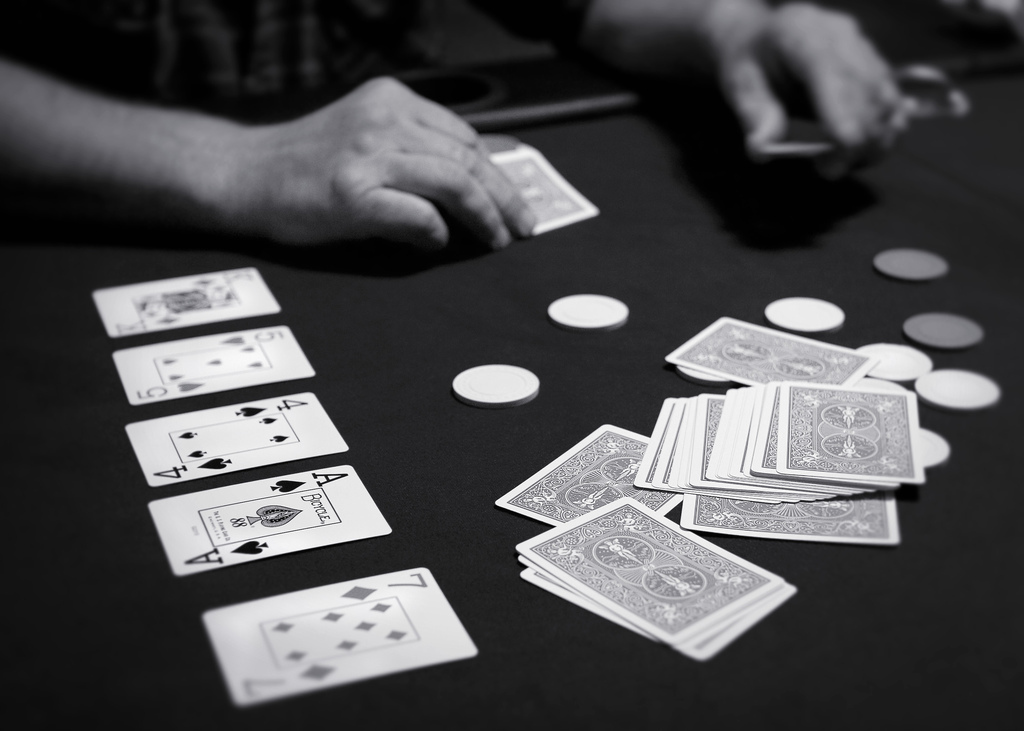
When Nik Airball declared tournament players were “free money” before a Hustler Casino Live session, Kristen Foxen made him eat those words—finishing up while Airball hemorrhaged nearly $400K. The clash produced one of the most aggressive preflop sequences in recent HCL history, with Foxen six-betting light against a tilting opponent who couldn’t find the fold button.
What Happened
The hand unfolded during a high-stakes $100/$200 cash game at Hustler Casino Live, featuring a diverse lineup that included Ethan “Rampage” Yau, Turbo Nguyen, Big Mike, Rick, HCL co-founder Ryan Feldman, and special guest Kristen Foxen. The session had all the ingredients for fireworks: deep stacks, aggressive players, and mounting tension as the night wore on.
Before the stream even began, Airball had publicly dismissed tournament specialists, claiming they were easy pickings in cash game formats. He specifically targeted the tournament crowd with inflammatory remarks that would come back to haunt him. Tournament crusher Chance Kornuth immediately saw an opportunity, proposing a $10,000 side bet with Airball: Foxen would finish the session ahead of him. Airball accepted.
As the game entered its final hour, the dynamics had shifted dramatically. Airball was visibly frustrated, his stack diminished and his demeanor showing clear signs of tilt. This is when Foxen identified her spot. The preflop action escalated rapidly—raise, three-bet, four-bet, five-bet, and then Foxen’s audacious six-bet with a marginal holding. The aggressive posturing reached a fever pitch, with both players committing significant portions of their stacks before a single community card hit the felt.
By session’s end, the scoreboard told the story Kornuth had predicted: Airball finished down $399,900 while Foxen booked a solid winning session. The $10K side bet was the least of Airball’s concerns.
The Poker Strategy Breakdown
Foxen’s six-bet represents a masterclass in exploitative poker—identifying an opponent’s tendencies and ruthlessly capitalizing on them. In standard cash game environments, six-bet ranges are typically ultra-premium: pocket aces, kings, and occasionally ace-king suited. Deviating from this range requires specific reads and situational awareness that most players lack.
The decision to six-bet light hinges on several strategic factors. First, Foxen recognized that Airball’s five-bet range had widened considerably due to tilt. When opponents begin expanding their aggression out of frustration rather than sound strategy, their ranges become more vulnerable to pressure. A player five-betting with appropriate frequency can be difficult to exploit, but one doing so with emotional motivation creates exploitable patterns.
Second, the preflop escalation itself becomes a weapon. Each additional bet in the sequence represents an exponential increase in commitment. By the time action reaches a six-bet, both players are pot-committed or close to it, meaning the decision tree has simplified dramatically. Foxen’s willingness to create this scenario with a non-premium hand demonstrates advanced game theory understanding—she’s not playing her cards, she’s playing her opponent’s mental state.
The stack-to-pot ratio also factors heavily into this play. In deep-stacked cash games, implied odds and reverse implied odds become critical considerations. However, when preflop action escalates to this degree, those considerations evaporate. The pot becomes so large relative to remaining stacks that postflop play becomes simplified, often resulting in all-in scenarios regardless of board texture.
Foxen’s hand selection for this maneuver matters less than the timing and opponent selection. Against a disciplined opponent with a tight five-bet range, attempting this play would be suicidal. Against a tilting player known for hyper-aggression and an inability to find folds, it becomes a high-percentage exploitation.
Reading The Field & Table Dynamics
Understanding table dynamics separates competent players from elite ones, and Foxen demonstrated exceptional awareness throughout this session. Her preparation began the night before she even sat down, when her husband Alex Foxen played against Airball and observed his tendencies. This reconnaissance provided invaluable intelligence about Airball’s preflop aggression patterns and his willingness to engage in escalating confrontations.
Foxen noted that HCL’s playing style differs significantly from traditional cash games, describing it as “almost more of a tournament than a cash game.” This observation reveals sophisticated strategic thinking. In tournaments, ICM pressure and changing stack dynamics create situations where aggression becomes necessary regardless of hand strength. HCL’s unique ecosystem—with its mix of recreational players, wealthy amateurs, and professionals—creates similar dynamics despite being a cash game format.
The timing of this hand, occurring in the final hour of the session, is no coincidence. By this point, Airball’s losses had mounted significantly, and his emotional state had deteriorated. Experienced players recognize that the final hours of a losing session present prime exploitation opportunities. Players stuck in significant losses often adopt a “get-even-or-go-broke” mentality, expanding their ranges and making increasingly desperate plays.
Foxen also identified Airball’s unique approach to preflop warfare. While most cash game players maintain relatively tight ranges for four-bets and five-bets, Airball treats these spots as opportunities to apply maximum pressure. His strategy works against timid opponents who fold too frequently, but it creates massive vulnerabilities against players willing to stand their ground or counter-attack.
The presence of other strong players at the table also influenced the dynamic. With professionals like Rampage and experienced players like Feldman in the game, Airball may have felt additional pressure to maintain his aggressive image and avoid appearing weak. This social pressure compounds the strategic mistakes that tilt produces.
How To Apply This To Your Game
While most players will never face a six-bet decision in their regular games, the principles underlying Foxen’s play apply across all stakes and formats. The key is learning to identify exploitable situations and having the courage to deviate from standard strategy when conditions warrant.
First, develop the habit of observing opponents before engaging them in major pots. Foxen’s preparation—learning about Airball’s tendencies through her husband’s experience and observing him throughout the session—gave her a significant informational advantage. In your games, take mental notes about which players become more aggressive when losing, who makes emotional decisions, and who maintains discipline regardless of results.
Second, recognize that tilt manifests in predictable patterns. Players on tilt typically exhibit one of two tendencies: they become overly aggressive, trying to bully their way back to even, or they become passive and defeated. Airball clearly fell into the former category. When you identify an opponent in this state, adjust your strategy to exploit their specific tilt pattern. Against overly aggressive tilting players, tighten your calling ranges but widen your re-raising ranges. They’re applying pressure with weaker hands, making your strong holdings more valuable and your bluffs more effective.
Third, understand that preflop aggression is a tool, not a default strategy. Foxen’s six-bet worked because of specific circumstances—a tilting opponent, deep stacks, and late-session dynamics. Attempting similar plays without these conditions would be reckless. Develop the judgment to distinguish between profitable aggression and empty fireworks.
Fourth, pay attention to session length and opponent fatigue. The final hours of long sessions often produce the most profitable situations. Players become tired, emotional, and less disciplined. If you maintain focus and discipline during these periods, you gain a significant edge.
Finally, don’t be afraid to play outside your comfort zone when the situation demands it. Foxen admitted she hadn’t played much cash poker in recent years, yet she adapted quickly to HCL’s unique environment. Flexibility and adaptability trump rigid adherence to “standard” strategy.
Key Takeaways
- Exploit tilt aggressively: When opponents show emotional instability, widen your re-raising ranges and apply maximum pressure to force mistakes.
- Preparation matters: Gathering information about opponents before major confrontations provides crucial strategic advantages.
- Table dynamics trump hand strength: In the right situation against the right opponent, aggressive plays with marginal hands become highly profitable.
- Session timing creates opportunities: The final hours of long sessions often produce the most exploitable situations as players tire and tilt.
- Adapt to your environment: Different games require different strategies—recognize when standard cash game approaches don’t apply.
- Back up trash talk with results: Airball’s pre-session comments about tournament players created additional pressure and may have contributed to his poor decision-making.
Frequently Asked Questions
When should you six-bet light in a cash game?
Six-betting light should be reserved for specific exploitative situations: when your opponent is tilting and five-betting too wide, when you have a strong read that they can’t fold, or when stack depths and pot sizes create favorable risk-reward ratios. Against unknown or disciplined opponents, maintain a tight six-bet range consisting primarily of premium hands like aces and kings.
How do you identify when an opponent is on tilt?
Tilt manifests through several observable behaviors: increased aggression frequency, faster decision-making, verbal frustration, physical agitation, and deviation from previously established patterns. Players on tilt often engage in unnecessary confrontations, make oversized bets, and show hands they would normally muck quietly. The key is establishing a baseline of their normal behavior and recognizing departures from it.
Why do Hustler Casino Live games play differently than traditional cash games?
HCL’s unique dynamics stem from several factors: the presence of cameras creates performance pressure, the mix of recreational and professional players produces unusual ranges, the deep stacks enable more creative plays, and the social atmosphere encourages action over tight play. Additionally, many participants prioritize entertainment value and building their personal brands, leading to more aggressive and unconventional strategies than you’d find in typical casino cash games.
Final Thoughts
Foxen’s performance against Airball demonstrates that poker excellence transcends format specialization. Despite focusing primarily on tournaments in recent years, she quickly adapted to HCL’s unique environment and exploited an opponent’s weaknesses with surgical precision. The six-bet itself makes for entertaining television, but the real lesson lies in the preparation, observation, and situational awareness that made the play profitable.
Airball’s pre-session trash talk about tournament players being “free money” proved to be one of the most expensive statements of his poker career. The irony is that tournament players develop precisely the skills needed to exploit his style—aggression management, ICM-style pressure application, and the ability to make big folds and big calls in high-pressure situations. Foxen’s tournament expertise translated perfectly to this cash game environment.
For players looking to improve, this hand offers a valuable reminder: the most profitable plays often come from reading opponents and situations rather than following rigid strategic frameworks. Study your opponents, recognize exploitable patterns, and have the courage to execute when opportunities present themselves. That’s the difference between being a good player and being a great one.
Ready to Sharpen Your Poker Game?
Master your poker game with expert hand analysis