Lichtenberger Claims Ninth PGT Crown as Wilson Secures Cup
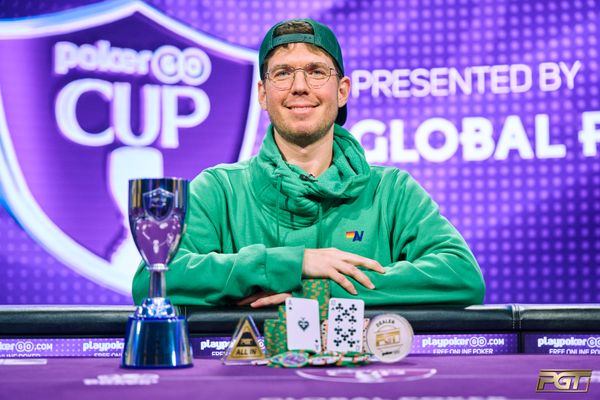
Andrew ‘LuckyChewy’ Lichtenberger captured his ninth career Poker Grand Tour title at the PokerGO Cup $15K finale, banking $257,400 while Brock Wilson’s sixth-place finish was enough to clinch the overall series championship. The Sunday showdown at the PokerGO Studio saw Wilson edge out Filipp Khavin for the leaderboard crown despite both players notching two victories during the ten-event series.
What Happened
The $15,000 buy-in finale of the PokerGO Cup attracted 52 entries, generating a prize pool of $780,000 that would pay the top eight finishers. After two days of intense competition, Lichtenberger found himself heads-up against the formidable Sam Soverel, ultimately prevailing to add another six-figure score to his already impressive résumé that now exceeds $24.5 million in career earnings.
For Wilson, the pressure was palpable entering the final event. Having secured two victories earlier in the series, he needed to navigate past the money bubble on Day 1 to maintain his lead over Khavin in the race for the overall championship. Wilson not only survived but thrived, making the final table and finishing in sixth position for $46,800—more than enough to lock up the series title and the accompanying prestige.
The final table featured a murderer’s row of poker talent. Art Peacock carried the chip lead into Day 2 and converted it into a third-place finish worth $109,200. Former WSOP Main Event champion Joe McKeehen fell in fourth for $78,000, while John Krpan rounded out the top five with a $62,400 payday. Joey Weissman was the first casualty of the final table, collecting $31,200 for seventh place.
The Poker Strategy Breakdown
Lichtenberger’s victory marked a remarkable turnaround after blanking in all nine previous PokerGO Cup events. This bounce-back performance demonstrates a crucial tournament poker concept: variance cuts both ways, and maintaining composure through downswings separates elite players from the pack. His ability to reset mentally and execute at the highest level in the finale showcases the psychological resilience required at these stakes.
The heads-up battle between Lichtenberger and Soverel represented a clash between two of the game’s most accomplished high rollers. Soverel, with over $32 million in career earnings, brought his characteristic aggressive style to the match. However, Lichtenberger’s adaptability proved decisive. In high-stakes tournament poker, heads-up play requires constant adjustment—you’re not playing your cards as much as you’re playing your opponent’s tendencies and exploiting their patterns.
One critical strategic element in this event was the ICM pressure throughout the final table. With Wilson needing to cash to secure the series championship, his opponents could theoretically apply maximum pressure knowing his tournament life held extra value beyond the immediate prize pool. However, Wilson’s deep stack and solid fundamentals allowed him to navigate these dynamics without becoming exploitable. He played his own game rather than tightening up excessively, which would have invited aggression from savvy opponents.
Peacock’s chip lead entering Day 2 presented both opportunity and challenge. Leading the final table requires a delicate balance—you want to apply pressure and accumulate chips, but you also can’t spew off your advantage with reckless aggression. His third-place finish suggests he managed this balance effectively, likely picking his spots carefully while avoiding marginal confrontations that could have decimated his stack.
Reading The Field & Table Dynamics
The final table composition created fascinating dynamics. With multiple players boasting major titles and eight-figure career earnings, there were no weak links to exploit. In such environments, small edges become magnified, and the ability to read opponents’ ranges accurately becomes paramount. McKeehen’s presence added an interesting dimension—as a former Main Event champion, he brings a different energy than pure high-roller specialists, often displaying more patience and willingness to wait for premium situations.
Wilson’s position was unique. Playing with the series championship on the line meant every decision carried additional weight. The psychological burden of protecting a lead can cause players to tighten up dramatically, especially when facing elimination. However, Wilson’s two previous victories in the series demonstrated he had the momentum and confidence to play his natural game. This mental state is invaluable—when you’re playing freely rather than scared money, you make better decisions and apply more effective pressure.
The bubble dynamics on Day 1 were particularly crucial. With only eight spots paying from 52 entries, bubble play would have been intense. Wilson needed to survive this phase, and doing so likely required some calculated risks. In tournament poker, the bubble often presents opportunities for chip accumulation if you’re willing to apply pressure to medium stacks who are desperately trying to ladder into the money. Wilson’s ability to not only survive but build a stack sufficient for a final table run speaks to his bubble play acumen.
Soverel’s runner-up finish for $163,800 continued his remarkable consistency in high-stakes events. His aggressive style keeps opponents off-balance, but against someone like Lichtenberger—who has seen every trick in the book—aggression alone isn’t enough. The heads-up match likely featured multiple gear changes, with both players attempting to establish dominance through strategic shifts. Ultimately, Lichtenberger’s experience in these spots proved decisive.
How To Apply This To Your Game
The most important lesson from this event is the value of mental resilience. Lichtenberger’s ability to bounce back after nine consecutive non-cashes in the series demonstrates that short-term results don’t define your skill level. If you’re playing solid poker and making correct decisions, the results will eventually follow. Don’t let a downswing cause you to abandon your fundamental strategy or make desperate plays to force action.
Wilson’s series championship run offers insights into tournament series strategy. Rather than trying to win every event, focus on consistent deep runs and capitalizing when you have momentum. His two victories provided cushion, but the sixth-place finish in the finale was equally important. In series with leaderboards, survival and steady accumulation often trump high-variance plays aimed at first place.
When you find yourself at a tough final table, resist the urge to drastically alter your strategy. The players who succeed at the highest levels maintain their core approach while making subtle adjustments based on specific opponents and stack dynamics. Study your opponents’ tendencies during the early stages so you have information to draw upon when the pressure intensifies at the final table.
ICM considerations should heavily influence your decisions in the late stages of tournaments, especially when pay jumps are significant. However, don’t become so ICM-aware that you pass up profitable opportunities. The key is finding the balance between protecting your stack and accumulating chips. Use ICM calculators in your study sessions to develop intuition about when to apply pressure and when to exercise caution.
Finally, recognize that heads-up play is a distinct skill that requires dedicated practice. The strategic adjustments necessary for two-handed play differ dramatically from full-table dynamics. Hand values shift considerably, aggression becomes more valuable, and the ability to read your opponent’s timing tells and betting patterns becomes crucial. If you find yourself struggling in heads-up situations, dedicate study time specifically to this phase of tournaments.
Key Takeaways
- Lichtenberger’s ninth PGT title demonstrates the importance of mental resilience after enduring nine consecutive non-cashes earlier in the series—variance is temporary, skill is permanent
- Wilson secured the PokerGO Cup series championship by making a crucial final table in the finale event, showing that consistent deep runs often matter more than multiple victories
- The final table featured elite competition with multiple players holding eight-figure career earnings, creating dynamics where small edges and precise decision-making become magnified
- ICM pressure played a significant role throughout the tournament, particularly for Wilson who was protecting a series lead, but successful players balanced survival with chip accumulation
- Heads-up play between Lichtenberger and Soverel showcased the importance of adaptability and opponent-specific adjustments at the highest levels of tournament poker
- The $15K finale attracted 52 entries and generated a $780,000 prize pool, with the top eight players earning payouts ranging from $31,200 to $257,400
Frequently Asked Questions
How did Andrew Lichtenberger perform earlier in the PokerGO Cup series?
Lichtenberger failed to cash in all nine previous events during the PokerGO Cup series before winning the finale. This makes his victory even more impressive, as it demonstrates his ability to maintain focus and execute at the highest level despite a frustrating stretch of results. His performance earlier in 2026 was strong, including a second-place finish at the PGT Championship and his eighth career PGT title during the tour’s kickoff series.
What did Brock Wilson need to do to win the series championship?
Wilson entered the finale event with a lead over Filipp Khavin, with both players having secured two victories during the ten-event series. Wilson needed to survive the money bubble on Day 1 to maintain his advantage, which he accomplished by not only cashing but making the final table and finishing in sixth place. This performance gave him enough points to edge out Khavin for the overall series championship.
What’s next on the Poker Grand Tour schedule?
Following the PokerGO Cup, the tour moves to the Venetian for the PGT PLO Series starting March 23. After that, the action returns to the PokerGO Studio for the US Poker Open running from April 10-21. The tour then heads to Texas for the Texas Poker Open scheduled for May 6-11, giving players multiple opportunities to compete in high-stakes events across different venues and formats.
Final Thoughts
The PokerGO Cup finale delivered everything high-stakes poker fans could want: elite competition, significant storylines, and a dramatic conclusion that resolved both the event winner and series champion. Lichtenberger’s victory serves as a reminder that even the best players endure stretches of disappointing results, but maintaining confidence and executing sound strategy eventually leads to success. His ability to reset after nine consecutive non-cashes and deliver when it mattered most exemplifies the mental toughness required at poker’s highest levels.
Wilson’s series championship represents a different kind of achievement—the consistency and strategic discipline necessary to outperform a field of world-class players across ten events. His two victories provided the foundation, but his ability to navigate the finale with the added pressure of protecting a series lead demonstrated maturity and composure. These qualities often separate good players from great ones in tournament series where sustained excellence matters more than isolated brilliance.
As the Poker Grand Tour continues its 2026 schedule, the competition shows no signs of slowing down. With upcoming stops featuring different formats and venues, players will need to adapt their strategies while maintaining the fundamental principles that lead to success. Whether you’re competing at the highest stakes or grinding your local tournament circuit, the lessons from this event apply universally: stay mentally strong through variance, make ICM-aware decisions without becoming paralyzed, and never stop adjusting to your opponents.
Ready to Sharpen Your Poker Game?
Master your poker game with expert hand analysis