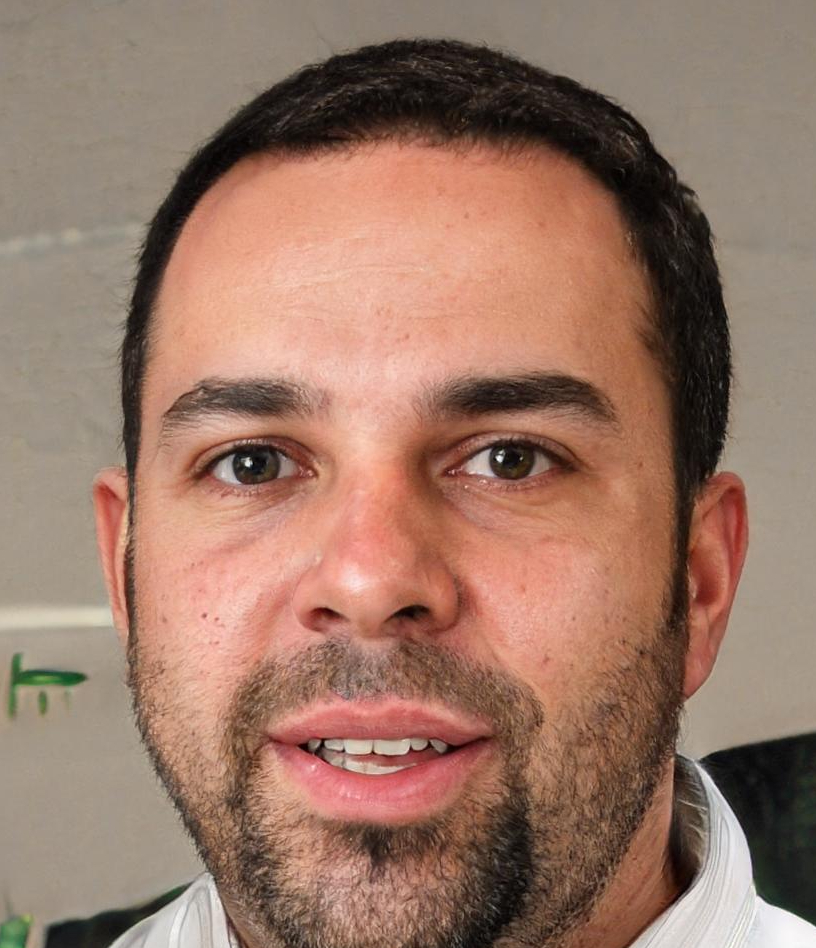
Malcolm Trayner’s Aussie Millions Win: Deal Strategy Lessons
Malcolm Trayner secured his 11th Australian tournament victory at the 2026 Aussie Millions Main Event, banking over $1.38M AUD after negotiating a three-way deal that leveraged his massive chip advantage. The Melbourne showdown attracted 770 entries and generated a $7.7M prize pool, marking a triumphant return for Australia’s premier poker festival after years of pandemic-related disruption and operational challenges.
What Happened
The Crown Casino in Melbourne hosted the revival of the Aussie Millions Main Event from May 4-10, drawing 770 players to the $10,600 buy-in tournament. When play reached the final three, Malcolm Trayner commanded more than half the chips in play, setting the stage for deal negotiations that would reshape the payout structure.
The three remaining players—Trayner, Dean Blatt, and Dejan Boskovic—agreed to a chip-chop deal that allocated prize money based on their respective stack sizes. Under the agreement, Trayner locked in $1,382,198 AUD while leaving the title, trophy, and ring to be determined by continued play. Blatt secured $1,000,072 for second place, and Boskovic collected $921,030 for third.
The tournament marked Trayner’s latest success in a remarkable run that began with his first WSOP bracelet in 2024. He followed that breakthrough with a victory at the 2025 Aria Poker Classic Mystery Bounty event, then added a WSOP Circuit ring at the Gold Coast in November before returning home for this triumph.
The final table paid out nine positions, with Sheldon Mayer finishing fourth for $466,620 and Ricky Vikas taking fifth for $346,500. The event fell just 52 entries short of the 2019 edition won by Bryn Kenney, signaling strong momentum for the series after its extended hiatus.

The Poker Strategy Breakdown
The most instructive moment came during heads-up play when Blatt mounted a comeback that nearly derailed Trayner’s coronation. Starting with a 4-to-1 chip disadvantage, Blatt won two early pots before shoving with A-10 offsuit. Trayner made the call with A-J, holding a dominating hand with approximately 70% equity preflop.
The ten on the turn flipped the script entirely, giving Blatt the unlikely lead. This hand demonstrates a critical tournament concept: even massive chip leads can evaporate quickly when dominated hands find their outs. Trayner’s willingness to call with ace-jack in that spot reflects proper heads-up strategy against a short stack’s shoving range, which must include weaker aces, pocket pairs, and broadway combinations.
After doubling Blatt, Trayner didn’t panic or adjust his strategy dramatically. He continued applying pressure and eventually regained control. The final confrontation saw Trayner shove with pocket sevens—a premium hand in heads-up play—and Blatt called with the same A-10 combination that had saved him earlier. This time the sevens held, ending the tournament.
The pocket sevens shove illustrates optimal short-stack heads-up strategy. With blinds escalating and effective stacks likely under 20 big blinds, pocket sevens plays excellently as a shove-or-fold candidate. Against a wide calling range, sevens rates as roughly a coin flip against two overcards and crushes unpaired hands that miss the board. Trayner’s aggression forced Blatt into a marginal spot with ace-high, exactly where the chip leader wants to put opponents.
Blatt’s decision to call with A-10 merits examination. Facing a shove from a player who had been applying relentless pressure, Blatt needed to defend with a range that included suited connectors, any ace, and pocket pairs. A-10 sits comfortably within that calling range, particularly if Trayner’s perceived shoving range included weaker holdings. The call itself was sound—variance simply didn’t cooperate.
Reading The Field & Table Dynamics
The three-way deal negotiation reveals sophisticated ICM understanding from all parties. Independent Chip Model calculations show that chip leads become increasingly valuable as fields narrow, but the gap between first and second-place money creates natural deal incentives for shorter stacks facing a dominant chip leader.
Trayner’s decision to accept a deal despite holding more than half the chips demonstrates mature tournament thinking. While he could have leveraged his stack to demand more favorable terms, the agreed-upon chip chop still awarded him the lion’s share while reducing variance. He secured over $1.3M guaranteed while maintaining the opportunity to win the prestigious title and hardware.
For Blatt and Boskovic, the deal made even more sense. Facing a player with a crushing chip advantage, they locked in substantial paydays that exceeded their ICM equity in a winner-take-all scenario. The $79,000 difference between second and third place under the deal terms was significant, but both players minimized their exposure to a single cooler or bad beat that could have cost them hundreds of thousands.
The tournament structure and pacing also played crucial roles. With 770 entries creating a $7.7M prize pool, the money bubble and final table bubble created distinct pressure points where ICM considerations heavily influenced decision-making. Players who accumulated chips during these critical stages—like Trayner—gained disproportionate leverage that extended all the way to the final deal negotiations.
Trayner’s experience in high-pressure situations clearly benefited him. His WSOP bracelet win, Aria Classic victory, and Circuit ring demonstrated his ability to close tournaments when deep. This track record likely influenced his opponents’ willingness to deal, knowing they faced a proven finisher rather than a lucky amateur.
How To Apply This To Your Game
The first lesson is understanding when to negotiate deals. If you find yourself as the short stack at a final table, don’t let pride prevent you from discussing numbers. ICM calculators can show you exactly how much equity you’re sacrificing by playing it out versus locking in a guaranteed payday. Conversely, if you’re the chip leader, recognize that accepting slightly less than your chip percentage can still be profitable when it reduces variance and secures a life-changing score.
Trayner’s heads-up play offers a masterclass in maintaining composure after a bad beat. When Blatt hit his ten to take the lead, a less experienced player might have tilted or abandoned their strategy. Trayner stuck to fundamentally sound aggression, understanding that short-term variance doesn’t invalidate correct long-term strategy. Apply this mindset to your own play by focusing on decision quality rather than immediate results.
The A-J versus A-10 confrontation highlights the importance of hand reading and range construction. When you’re heads-up and your opponent shoves, don’t just look at your cards—consider their entire range of shoving hands. Trayner correctly identified that calling with A-J was profitable against the range of hands Blatt would shove in that spot. Build this skill by reviewing heads-up situations and calculating your equity against various ranges.
Pay attention to stack sizes and how they dictate strategy. The pocket sevens shove worked because Trayner understood that with shallow stacks, medium pairs gain tremendous value. In cash games or deeper-stacked tournaments, you might play sevens more cautiously. But in short-stack situations, pairs become premium shoving hands that force opponents into difficult decisions.
Finally, study tournament structures and blind levels to anticipate critical decision points. Trayner’s success across multiple tournament series suggests he understands how to accumulate chips before pressure points and leverage those chips when ICM pressure peaks. Review your own tournament results to identify whether you’re building stacks at the right times or bleeding chips during crucial stages.
Key Takeaways
- Three-way deals based on chip counts can reduce variance while still rewarding the chip leader with the largest share—Trayner secured $1.38M despite accepting a deal
- Maintaining strategic discipline after bad beats separates elite players from amateurs—Trayner recovered from doubling up Blatt by sticking to fundamentally sound aggression
- Heads-up strategy requires understanding shoving and calling ranges, not just looking at your own cards—A-J versus A-10 was a standard profitable call despite the unlucky turn card
- Medium pocket pairs like sevens become premium shoving hands in short-stack situations, forcing opponents into marginal calling decisions
- The Aussie Millions revival drew 770 entries, falling just 52 short of the 2019 record, demonstrating strong momentum for Australia’s premier poker festival
- Building a track record of tournament success creates psychological pressure on opponents and improves your negotiating position in deal discussions
Frequently Asked Questions
How do chip-chop deals work in poker tournaments?
Chip-chop deals allocate remaining prize money based on each player’s chip percentage. If you hold 60% of the chips three-handed, you receive 60% of the remaining prize pool. Players typically negotiate these deals at final tables to reduce variance while still playing for the title and trophy. The deal becomes official once all remaining players and tournament officials agree to the terms.
Should you always accept a deal as the chip leader?
Not necessarily. Consider your skill edge, stack sizes, blind levels, and the money at stake. If you’re significantly more skilled than your opponents and hold a massive chip lead, you might decline a deal to maximize expected value. However, if the money is life-changing or your edge is marginal, accepting a deal that guarantees a large payday while reducing variance often makes sense. Trayner’s decision to deal despite his chip lead was strategically sound given the amounts involved.
How should you adjust heads-up strategy with shallow stacks?
With stacks under 20 big blinds, heads-up play becomes increasingly shove-or-fold. Widen your shoving range to include medium pocket pairs, any ace, suited connectors, and broadway combinations. Your calling range should also expand since your opponent must shove wider. Focus on hand categories rather than specific holdings—any pair, any ace, and king-high combinations all gain value. Avoid limping or min-raising, which surrenders your fold equity and creates awkward post-flop situations with shallow stacks.
Final Thoughts
Malcolm Trayner’s Aussie Millions victory exemplifies the complete tournament player—someone who builds chips effectively, negotiates deals intelligently, and executes fundamentally sound strategy under pressure. His willingness to accept a three-way deal despite holding a commanding chip lead shows maturity that many players lack. Rather than gambling for an extra few hundred thousand, he secured over $1.3M while still competing for the prestigious title.
The tournament’s success also signals positive momentum for live poker in Australia. Drawing 770 entries after years of uncertainty demonstrates that player appetite for premier events remains strong. For the poker community, this revival means more opportunities to compete at the highest levels and test skills against international fields.
Whether you’re grinding online tournaments or planning your next live series, the strategic lessons from this event apply universally. Study deal-making, master short-stack play, and develop the mental fortitude to maintain your strategy through variance. These skills separate consistent winners from players who occasionally run hot but can’t sustain success.
Ready to Sharpen Your Poker Game?
Master your poker game with expert hand analysis