Marco Johnson Ends Decade-Long Bracelet Drought at WSOP
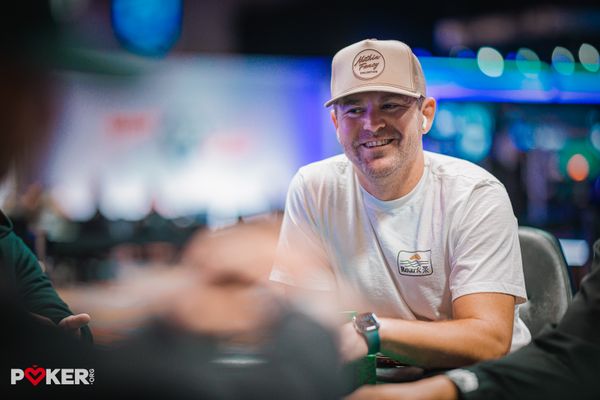
After 22 final table appearances without a bracelet since 2016, Marco Johnson has finally broken through. The mixed-games specialist conquered a 1,561-player field in the $2,500 Freezeout to claim his third WSOP bracelet and $513,885, outlasting veteran Chino Rheem in a heads-up battle between two players who’ve shared 20 years of poker history.
What Happened
Marco Johnson’s victory in Event #49 at the 2026 World Series of Poker represents more than just another bracelet—it’s the culmination of a frustrating ten-year journey through the tournament poker wilderness. Since capturing his second bracelet in the $3,000 HORSE event on June 12, 2016, Johnson had reached 22 WSOP final tables without converting any into gold.
The $2,500 Freezeout attracted 1,561 entries, generating a prize pool of $3,473,225. Johnson navigated three days of single-bullet poker to reach the final table as the second-biggest stack. His path to victory required defeating a star-studded lineup including Faraz Jaka (4th place, $180,210) and ultimately Chino Rheem in heads-up play.
Rheem, still chasing his first WSOP bracelet despite 31 final table appearances since 2005, took home $341,970 for second place—his fifth runner-up finish at the Series. The heads-up match pitted two players who’ve known each other for two decades, both evolved from their “maniacal” early days into calculated tournament crushers.
Johnson’s final table record during his drought tells a story of consistency without closure: two second-place finishes, four thirds, four fifths, seven sixths, one seventh, and four eighth-place results. For a player primarily known for mixed-games prowess, securing bracelet number three in no-limit hold’em added an unexpected dimension to his victory.
The Poker Strategy Breakdown
The freezeout format fundamentally alters tournament strategy compared to the re-entry events that dominate modern poker schedules. Johnson specifically circled this tournament on his calendar because of the format—no second chances means every decision carries amplified weight from the opening hand.
In freezeout structures, chip preservation takes on heightened importance during the early and middle stages. Players can’t fire multiple bullets to overcome bad beats or marginal spots gone wrong. This dynamic typically produces tighter play early, with aggression reserved for spots with clearer equity advantages. Johnson’s mixed-games background likely served him well here, as HORSE and other variants demand similar discipline and patience.
The final table presented unique strategic challenges. With seven players holding between 6-7 big blinds at various points and pay jumps becoming increasingly significant, ICM pressure intensified every decision. Johnson maintained his second-place chip position through steady accumulation rather than explosive confrontations—a textbook approach when shorter stacks are incentivized to wait for premium holdings.
Against Jaka in the middle stages of the final table, Johnson would have faced an opponent known for aggressive small-ball poker and creative bluffing lines. Navigating this required hand reading precision and the discipline to avoid marginal spots where Jaka’s skill edge could manifest. By the time heads-up play arrived, Johnson had successfully avoided the landmines that eliminated more explosive players.
Reading The Field & Table Dynamics
The Johnson-Rheem heads-up battle represented a fascinating clash of styles and histories. Both players admitted they were “probably a little more maniacal” two decades ago—a reference to the mid-2000s poker boom era when aggression often trumped balanced strategy. Their evolved approaches created a heads-up match characterized by calculated aggression rather than reckless gambling.
Rheem’s track record at the PokerGO Studio—10 victories against only three runner-up finishes—demonstrates exceptional closing ability in high-pressure situations. Johnson acknowledged this explicitly, noting that Rheem “doesn’t take second a lot” and calling him “a very good closer.” This context makes Johnson’s victory even more impressive; he defeated an opponent with proven heads-up excellence.
During heads-up play, Rheem managed to double into contention after falling behind, showcasing the resilience that’s defined his career. However, Johnson’s momentum proved unstoppable. The dynamic likely featured extended small-ball poker punctuated by key confrontations—neither player would risk their tournament life without substantial equity given their mutual respect and understanding of each other’s capabilities.
The emotional weight Johnson carried into this final table cannot be understated. Twenty-two final tables without a bracelet creates psychological pressure that can manifest as either desperation or determination. Johnson clearly channeled it into the latter, maintaining composure through a grueling final day that he described as a “long day battling.”
How To Apply This To Your Game
Johnson’s decade-long journey offers several actionable lessons for tournament players at every level. First, format selection matters enormously. Johnson specifically targeted this freezeout because it aligned with his strengths and preferences. Recreational players should similarly identify which tournament structures suit their skill sets—whether that’s turbos, deep stacks, or specific game variants.
The freezeout format demands tighter starting hand selection and more conservative early-game play than re-entry events. Without the ability to reload, speculative hands and marginal spots become less attractive. Apply this principle by widening your fold range in the first third of freezeout tournaments, preserving chips for spots where you hold clearer advantages.
Johnson’s mixed-games background contributed to his no-limit success by developing patience and hand-reading skills transferable across variants. Recreational players can improve their hold’em game by exploring mixed games, which force you to think about ranges, equity, and pot odds without relying on memorized charts or HUD stats.
In deep-stacked final table situations, avoid the temptation to force action. Johnson reached the final table second in chips and maintained that position through steady play rather than high-variance confrontations. Let shorter stacks eliminate each other when pay jumps incentivize patience. This ICM-aware approach maximizes your equity in the prize pool.
Finally, Johnson’s heads-up victory against a superior closer demonstrates the importance of momentum and confidence. When you’ve built a chip lead through solid play, maintain aggression to prevent opponents from comfortably settling into their preferred rhythm. Don’t allow skilled opponents the time and space to mount comebacks—press advantages when you have them.
Key Takeaways
- Marco Johnson ended a ten-year bracelet drought spanning 22 final table appearances, winning the $2,500 Freezeout for $513,885 and his third WSOP bracelet
- Freezeout tournaments require tighter early play and more conservative chip preservation strategies compared to re-entry events
- Johnson defeated Chino Rheem heads-up despite Rheem’s exceptional closing record (10 wins vs. 3 second-place finishes at PokerGO Studio)
- Mixed-games skills translate effectively to no-limit hold’em by developing patience, hand-reading ability, and disciplined decision-making
- ICM pressure at final tables rewards patient play when shorter stacks are incentivized to wait, allowing chip leaders to maintain position without high-variance confrontations
- Rheem’s fifth WSOP runner-up finish extends his bracelet drought to 31 final table appearances since 2005
Frequently Asked Questions
How many WSOP bracelets does Marco Johnson have now?
Marco Johnson now has three WSOP bracelets. His first came in 2013, his second in the $3,000 HORSE event on June 12, 2016, and his third in the 2026 $2,500 Freezeout. The ten-year gap between his second and third bracelets included 22 final table appearances without a win.
What is a freezeout poker tournament?
A freezeout tournament is a format where players receive a single entry with no re-entry or rebuy options. Once you lose all your chips, you’re eliminated with no opportunity to buy back in. This contrasts with re-entry events where players can register multiple times, fundamentally changing strategic approaches since every decision carries greater weight in freezeouts.
Has Chino Rheem ever won a WSOP bracelet?
No, Chino Rheem has never won a WSOP bracelet despite reaching 31 final tables since his first cash in the 2005 Main Event. His loss to Marco Johnson marked his fifth runner-up finish at the World Series. However, Rheem has won 10 times at the PokerGO Studio and has career earnings exceeding $20 million.
Final Thoughts
Marco Johnson’s third bracelet represents more than a tournament victory—it’s validation after a decade of near-misses that would have broken lesser players. Twenty-two final tables without converting represents an almost statistically improbable drought for a player of Johnson’s caliber. That he persevered through this frustration while maintaining the consistency required to reach those final tables demonstrates exceptional mental fortitude.
The victory also highlights an important truth about tournament poker: variance eventually corrects, but only for those who continue putting themselves in position to win. Johnson kept showing up, kept making final tables, and kept executing solid strategy even when the bracelets weren’t coming. His approach—targeting specific formats that suited his strengths, maintaining emotional control, and trusting his process—offers a blueprint for players navigating their own downswings.
For Chino Rheem, the search for that elusive first bracelet continues. Five runner-up finishes and 31 final tables represent both incredible consistency and agonizing near-misses. Yet his heads-up battle with Johnson demonstrated why he remains one of poker’s most dangerous tournament players. The bracelet will come—it’s simply a matter of when, not if.
Ready to Sharpen Your Poker Game?
Master your poker game with expert hand analysis