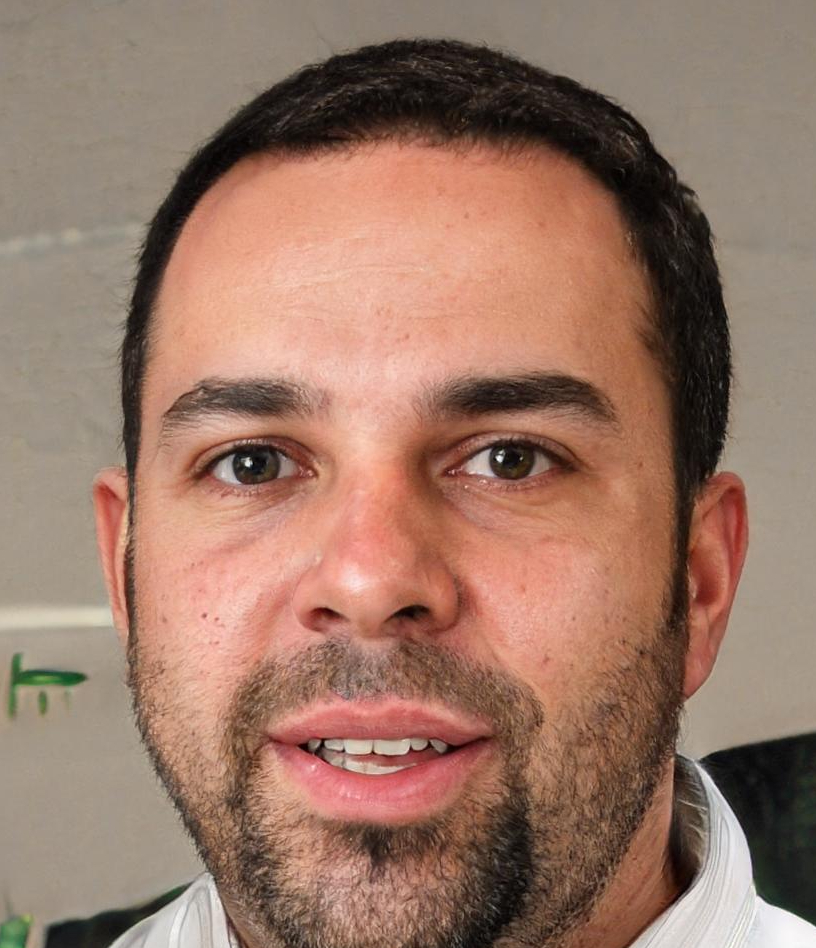
Martin Kabrhel Wins Sixth WSOP Circuit Ring in Vegas
Martin Kabrhel has added another piece of hardware to his trophy case, capturing his sixth WSOP Circuit ring at the Las Vegas stop. The Czech poker pro took down the $600 Monster Stack for over $52,000, marking his first Circuit ring victory on American soil after five previous wins in his home country.
What Happened
The controversial yet undeniably talented Czech player outlasted a field of 588 entries to claim victory in the $600 Monster Stack event at the WSOP Circuit Las Vegas stop. Kabrhel defeated John Carothers in the final showdown, earning $52,420 plus a $5,000 Bahamas package for his efforts.
This victory represents a significant milestone for Kabrhel, who had previously won all five of his Circuit rings at the King’s Casino in Rozvadov, Czech Republic. The win snaps a seven-year drought between Circuit ring victories, with his last coming in March 2019 when he shipped the €1,700 Main Event in Rozvadov for over €200,000.
Day 2 saw 62 players from the original field make the money, with Kabrhel navigating the pay jumps and final table pressure to secure his first significant score of 2026. The victory pushes his lifetime tournament earnings past the $19 million mark according to The Hendon Mob database, cementing his status among poker’s elite tournament grinders.
Kabrhel enters 2026 riding momentum from an exceptional late-2025 run that included three six-figure scores and a massive $1.3 million payday at WSOP Paradise. That score came in the ultra-high-stakes $125K Triton bracelet event where he finished third behind eventual winner David Coleman. The Czech pro also captured his fourth WSOP bracelet during the 2025 summer series in the Mini Main Event and notched a third-place finish in the $5,000 PLO tournament.

The Poker Strategy Breakdown
Monster Stack tournaments present unique strategic challenges that separate them from standard deep-stack events. With players starting significantly deeper relative to the blinds, the early stages reward patient, fundamentally sound poker rather than aggressive accumulation strategies.
Kabrhel’s approach to these formats has evolved considerably over his career. While known for his unconventional table talk and timing tactics, his technical game remains rooted in solid fundamentals. In Monster Stack structures, the abundance of chips allows for more post-flop play, rewarding players who can navigate complex multi-street situations.
The key strategic adjustment in these events involves recognizing when the tournament transitions from deep-stack poker to standard tournament play. As blinds escalate and average stacks shrink relative to the big blind, successful players shift gears from exploitative post-flop play to more aggressive pre-flop strategies designed to accumulate chips and apply pressure.
Kabrhel’s six-time Circuit ring success demonstrates his ability to adapt across different formats and structures. His victories span No-Limit Hold’em, Pot-Limit Omaha, and Limit Hold’em events, showcasing versatility that extends beyond a single game variant. This adaptability becomes crucial in mixed-game scenarios and when facing diverse opponent pools with varying skill levels.
One often-overlooked aspect of Kabrhel’s game is his willingness to make unconventional plays that put opponents in difficult spots. While his table talk generates headlines, his betting patterns and sizing choices frequently deviate from GTO baselines in ways that exploit specific opponents. This exploitative approach works particularly well in Circuit events where recreational players mix with professionals, creating opportunities to adjust strategies based on opponent tendencies.
Reading The Field & Table Dynamics
Circuit events attract a unique player mix that differs substantially from both World Series of Poker main events and high-roller tournaments. The $600 buy-in point hits a sweet spot where serious grinders overlap with recreational players looking for tournament action without breaking the bank.
Understanding this dynamic proves crucial for deep runs. The early stages typically feature looser play as recreational players see more flops and chase draws with incorrect odds. Exploiting these tendencies requires patience and discipline—waiting for strong holdings and extracting maximum value when connecting with the board.
As the money bubble approaches, table dynamics shift dramatically. Recreational players tighten up hoping to secure a min-cash, while experienced professionals like Kabrhel increase aggression to accumulate chips from players protecting their stacks. This bubble phase represents one of the most profitable periods for skilled players who recognize the ICM pressure facing short and medium stacks.
ICM considerations become paramount once the money bubble bursts and players begin eyeing the final table. Pay jumps accelerate significantly in the top ten spots, fundamentally altering optimal strategy. Short stacks gain fold equity as bigger stacks avoid confrontations that could jeopardize their chip position. Medium stacks face the trickiest decisions, caught between laddering up the pay scale and accumulating chips for a legitimate title run.
Kabrhel’s heads-up victory over Carothers likely involved significant strategic adjustments based on stack depths and opponent tendencies. Heads-up play rewards aggression and adaptability, with successful players constantly adjusting their ranges based on opponent responses. The ability to shift gears between aggressive and passive approaches, mixing in well-timed bluffs with value bets, separates elite heads-up players from the field.
How To Apply This To Your Game
Studying Kabrhel’s Circuit success reveals several actionable lessons for players looking to improve their tournament results. First, recognize that deep-stack events reward post-flop skill development. Invest time studying continuation betting strategies, turn and river play, and hand reading techniques that help you navigate complex situations.
Second, develop game selection awareness. Kabrhel’s six rings span multiple formats and buy-in levels, demonstrating the value of playing events that match your skill set and bankroll. Don’t automatically gravitate toward the biggest buy-ins—sometimes mid-stakes Circuit events offer better ROI due to softer fields and more comfortable stack-to-blind ratios.
Third, master the art of gear-shifting throughout tournament stages. Early-stage play demands patience and selectivity. Middle stages require increased aggression as blinds escalate. Bubble play rewards fearless pressure on opponents protecting their stacks. Final table poker involves ICM awareness and pay jump navigation. Players who fail to adjust their strategy across these phases leave money on the table.
Fourth, study your opponents continuously. Kabrhel’s controversial table presence serves a purpose—gathering information and disrupting opponent focus. While you don’t need to adopt his specific tactics, paying attention to opponent bet sizing, timing tells, and verbal patterns provides valuable information for decision-making.
Finally, build mental resilience for the long grind. Kabrhel’s seven-year gap between Circuit rings illustrates that even world-class players experience dry spells. Maintaining confidence through downswings, continuing to make optimal decisions regardless of results, and managing bankroll properly ensures you’ll be around when variance swings positive.
Key Takeaways
- Martin Kabrhel won his sixth WSOP Circuit ring and first on U.S. soil, defeating 588 entries in the $600 Monster Stack at WSOP Circuit Las Vegas
- The victory ended a seven-year drought between Circuit ring wins, with all previous rings coming at King’s Casino Rozvadov in the Czech Republic
- Monster Stack tournaments reward deep-stack post-flop play early, requiring strategic adjustments as structures tighten and ICM pressure increases
- Circuit events feature diverse player pools mixing recreational and professional players, creating exploitation opportunities for skilled competitors
- Kabrhel’s career demonstrates the importance of game versatility, having won rings across No-Limit Hold’em, Pot-Limit Omaha, and Limit Hold’em formats
- The win pushes Kabrhel’s lifetime tournament earnings past $19 million, continuing momentum from a strong late-2025 run including a $1.3 million WSOP Paradise score
Frequently Asked Questions
How many WSOP bracelets does Martin Kabrhel have?
Martin Kabrhel has won four WSOP bracelets, with his most recent coming during the 2025 summer series when he captured the Mini Main Event. He also finished third in the $5,000 PLO event that same summer and took third place in the $125,000 Triton bracelet event at WSOP Paradise for $1.3 million.
What makes Monster Stack tournaments different strategically?
Monster Stack events feature significantly deeper starting stacks relative to blinds compared to standard tournaments. This structure rewards post-flop skill and patient play early, as players have more room to maneuver through multiple betting streets. As blinds escalate, the strategic approach must shift toward more aggressive pre-flop play and chip accumulation tactics typical of standard tournament structures.
Where did Martin Kabrhel win his previous Circuit rings?
All five of Kabrhel’s previous WSOP Circuit rings came at King’s Casino in Rozvadov, Czech Republic, at International Circuit stops between 2016 and 2019. His biggest Circuit score came in March 2019 when he won the €1,700 Main Event for over €200,000. His Las Vegas victory marks his first Circuit ring won in the United States.
Final Thoughts
Martin Kabrhel’s sixth Circuit ring victory demonstrates that elite tournament success requires more than just technical skill—it demands adaptability, mental resilience, and the ability to perform across different environments and opponent pools. His seven-year gap between rings serves as a reminder that even world-class players face extended periods without major victories, making bankroll management and emotional stability crucial for long-term success.
The Czech pro’s willingness to play mid-stakes Circuit events despite his high-roller credentials offers an important lesson for aspiring professionals. Game selection matters tremendously, and sometimes the best ROI comes from events where your edge is greatest, not necessarily where the buy-ins are highest. Kabrhel’s diverse ring collection across multiple formats also highlights the value of developing skills beyond No-Limit Hold’em, as mixed-game proficiency opens additional earning opportunities.
As the WSOP Circuit Las Vegas series continues with its $1,700 Main Event, Kabrhel’s victory sets the tone for what promises to be an exciting conclusion. Whether you’re grinding Circuit events yourself or studying tournament strategy from afar, analyzing how elite players like Kabrhel navigate different tournament stages provides invaluable insights for improving your own game.
Ready to Sharpen Your Poker Game?
Master your poker game with expert hand analysis