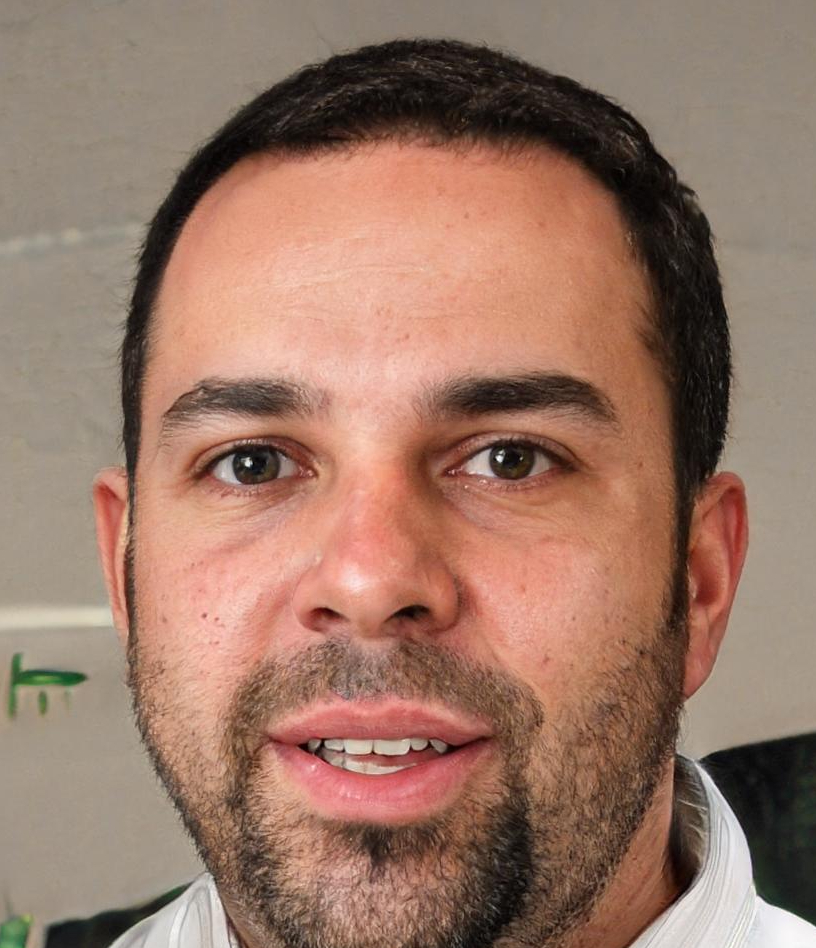
Mateos Makes History: $4.3M Score and Sixth WSOP Bracelet at 31
Adrian Mateos has etched his name deeper into poker history, capturing his sixth World Series of Poker bracelet at just 31 years old to become the youngest player ever to reach that milestone. The Spanish pro outlasted a field of 56 entries in the $250,000 Super High Roller, defeating Bryn Kenney heads-up for a career-defining $4.3 million payday.
What Happened
The $250K Super High Roller drew an elite field of 56 entries, generating a prize pool of $13.72 million. Nine players made the money, with Phil Ivey and Michael Moncek busting before the livestream began. By the time cameras went live at 6pm local time, seven players remained with David Einhorn commanding the chip lead.
Einhorn, the billionaire hedge fund manager playing for charity partner Citizens & Scholars, was chasing his first WSOP bracelet. He’d played what commentator Jared Bleznick called “perfect poker for two days,” but the unforgiving nature of no-limit hold’em would ultimately catch up with him in a crucial pot against Kenney.

The final table saw rapid eliminations once action intensified. Brandon Wilson exited in seventh after a three-way confrontation where his pocket jacks couldn’t hold against Sean Winter’s ace-king. Samuel Mullur followed in sixth when his king-nine suited flopped trip nines but lost to Mateos’s rivered flush. Jason Koon’s fifth-place finish came when his ace-queen couldn’t outrun Mateos’s pocket tens, with Kenney folding an ace and a ten in a remarkable laydown.
Winter departed in fourth after running into Mateos’s aces, setting up the pivotal three-handed play. Einhorn’s tournament ended on a massive 47.95 million chip pot where his open-ended straight draw on a ten-eight-six flop ran into Kenney’s already-made straight with nine-seven. The hand propelled Kenney into heads-up play with an 84 to 55 big blind advantage over Mateos.
That lead proved short-lived. A 40 million chip pot early in heads-up play swung momentum decisively to Mateos, and the Spanish conquistador never looked back, closing out his sixth bracelet in dominant fashion.
The Poker Strategy Breakdown
The Wilson elimination hand showcases a critical tournament concept: the danger of being caught in the middle. Wilson’s cutoff raise with pocket jacks was standard, but when Mateos three-bet from the small blind with ace-king suited, effectively putting Wilson all-in, and Winter committed his stack from the big blind with ace-king offsuit, Wilson faced a nightmare scenario. He was getting tremendous pot odds to call but was actually crushed by position and the likelihood that at least one opponent held a premium hand.
This spot illustrates why medium pairs lose value in three-bet pots at final tables. Wilson couldn’t fold getting better than 2:1, but he was essentially flipping at best and drawing thin at worst. The ace-high flop sealed his fate, though Winter’s ace-king ultimately prevailed when the board ran out favorably for the big slick.
Mateos’s play throughout the final table demonstrated textbook big-stack aggression. His three-bet with ace-king suited against Wilson wasn’t just about hand strength—it was about applying maximum pressure to a vulnerable stack while isolating against weaker ranges. When you have a premium hand and can effectively put a medium stack all-in while potentially squeezing out other players, you’re creating multiple ways to win.
The Einhorn bust-out hand reveals a fundamental truth about no-limit hold’em: one mistake can undo days of perfect play. Einhorn’s queen-nine suited saw a dream flop of ten-eight-six rainbow, giving him an open-ended straight draw with two overcards. However, his aggressive line—betting, three-betting, then calling a shove—failed to account for how polarized Kenney’s range was after check-raising and then jamming.
When Kenney check-raised from the small blind on that coordinated board, his range was heavily weighted toward made hands, particularly straights and two-pair combinations. Einhorn’s decision to three-bet his draw, while aggressive, turned his hand face-up as either a draw or a bluff. When Kenney shoved over the top, Einhorn needed to recognize he was likely crushed. The pot odds were compelling, but against a range that included nine-seven suited, jack-nine, nine-eight, and various two-pair combinations, his equity was far worse than the 35-40% he needed to call profitably.
Reading The Field & Table Dynamics
The final table presented a fascinating dynamic: six elite high-stakes professionals against one exceptionally skilled amateur. Einhorn’s presence added an intriguing element, as he openly acknowledged the skill gap, saying these players’ livelihoods depend on poker while for him it’s “just a game.” Yet his deep run proved that experience, bankroll management, and solid fundamentals can compete even at the highest levels.
ICM pressure shaped every decision once play reached five-handed. With payouts escalating dramatically—from $972,375 for fifth to $1.86 million for third—survival became increasingly valuable. This dynamic likely influenced Kenney’s decision to fold ace-ten when Koon shoved and Mateos called with pocket tens. While folding an ace that would have given him a set seems painful in retrospect, Kenney correctly recognized that watching two opponents eliminate each other was worth more than the equity he’d gain by calling.
Mateos’s accumulation strategy reflected deep understanding of final table dynamics. Rather than playing cautiously with a medium stack, he consistently applied pressure, recognizing that other players’ ICM concerns created fold equity. His willingness to three-bet with ace-king suited and call shoves with pocket tens showed a player unafraid to put his tournament life at risk when he held equity advantages.
The heads-up battle between Mateos and Kenney matched two of poker’s most accomplished high-rollers. Kenney entered with a significant chip advantage, but the early 40-million chip pot that flipped the lead demonstrated how quickly momentum shifts in heads-up play. Stack sizes matter less than aggression, position awareness, and the ability to win the critical pots that define matches.
How To Apply This To Your Game
The most actionable lesson from this final table is understanding when to avoid marginal spots. Wilson’s pocket jacks faced a three-bet and a cold four-bet—a clear signal to release the hand in most situations. In your tournaments, when you raise with a medium pair and face significant aggression from multiple opponents, recognize that you’re likely behind or flipping at best. The pot odds may look attractive, but long-term profitability comes from avoiding high-variance situations where you’re not a favorite.
Einhorn’s mistake with queen-nine suited teaches the importance of hand reading on coordinated boards. When you hold a draw and face a check-raise on a board that connects heavily with your opponent’s range, proceed with extreme caution. Check-raises in high-stakes play are rarely bluffs—they represent polarized ranges weighted toward value. Before committing your stack with a draw, ask yourself: what hands would my opponent play this way that I’m beating? If the answer is “very few,” you should be folding.
Mateos’s aggressive three-betting strategy demonstrates the power of controlled aggression with premium hands. When you hold ace-king or better and can effectively put a medium stack all-in while isolating, you’re creating tremendous fold equity while ensuring you get maximum value when called. Don’t slow-play premium hands at final tables—use them as weapons to accumulate chips and apply pressure.
Finally, study how ICM influenced decision-making throughout this final table. Kenney’s fold with ace-ten when two opponents were all-in shows professional-level ICM awareness. In your tournaments, especially near pay jumps, calculate the value of survival versus the equity you’d gain by calling. Sometimes the best play is watching others eliminate each other, even when you hold a decent hand.
Key Takeaways
- Adrian Mateos became the youngest player to win six WSOP bracelets at age 31, defeating Bryn Kenney heads-up for $4.3 million
- Medium pairs like pocket jacks lose significant value in multi-way three-bet pots at final tables—avoid getting caught in the middle without proper equity
- Check-raises on coordinated boards represent polarized, value-heavy ranges—exercise extreme caution with draws in these spots
- ICM considerations at final tables often make folding decent hands correct when watching opponents eliminate each other increases your equity
- Controlled aggression with premium hands creates multiple ways to win—fold equity plus showdown value maximizes expected value
- One mistake can undo days of perfect play in no-limit hold’em—hand reading and range assessment are critical in large pots
Frequently Asked Questions
How did Adrian Mateos become the youngest player with six WSOP bracelets?
Mateos won his sixth WSOP bracelet at age 31 by defeating Bryn Kenney heads-up in the $250,000 Super High Roller. His six bracelets at such a young age surpasses the previous record, demonstrating his consistency at poker’s highest levels over nearly a decade of elite competition.
What was David Einhorn’s critical mistake in the tournament?
Einhorn’s tournament ended when he aggressively played queen-nine suited on a ten-eight-six flop, giving him an open-ended straight draw. After Kenney check-raised, Einhorn three-bet, then called a shove, running into Kenney’s already-made straight with nine-seven. The hand illustrates how coordinated boards favor made hands over draws in check-raise situations.
Why is ICM so important at high-stakes final tables?
ICM (Independent Chip Model) calculates the real-money value of tournament chips based on payout structure and remaining players. At this final table, pay jumps were massive—from $972K for fifth to $1.86M for third. This makes survival extremely valuable, often making it correct to fold decent hands when opponents are eliminating each other, as the equity gained from moving up the payout ladder exceeds the equity you’d gain by calling.
Final Thoughts
Adrian Mateos’s sixth bracelet at 31 years old cements his status among poker’s all-time greats. His path through this $250K Super High Roller showcased the complete skillset required to succeed at poker’s highest levels: aggressive three-betting with premium hands, ICM awareness, and the ability to capitalize on opponents’ mistakes. The Spanish pro’s willingness to put his tournament life at risk in +EV situations separated him from a field of world-class competitors.
This final table also demonstrated that even players who execute nearly perfectly for days can see their tournament end on a single hand. Einhorn’s run proved that skilled amateurs can compete with professionals, but the unforgiving nature of no-limit hold’em means one misjudged spot can be fatal. The difference between good players and great players often comes down to avoiding that one critical mistake when the stakes are highest.
For aspiring tournament players, this event offers a masterclass in final table strategy. Study how Mateos applied pressure with big hands, how Kenney made disciplined ICM folds, and how even small mistakes compound in high-variance situations. These lessons translate directly to tournaments at every level—the stakes may differ, but the strategic principles remain constant.
Ready to Sharpen Your Poker Game?
Master your poker game with expert hand analysis