

Maurice Hawkins’ Ring #25 Win: Strategy Behind the Streak
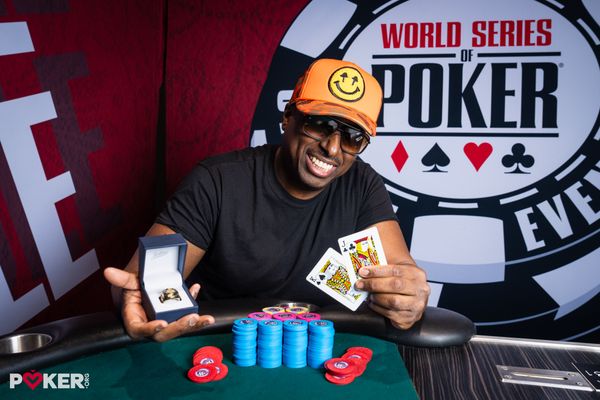
Maurice Hawkins extended his WSOP Circuit ring record to an unprecedented 25 titles with a victory in the $1,100 No-Limit Hold’em event at Cherokee, North Carolina. The win solidifies his dominance over the Circuit grind, putting him five rings clear of his nearest competitors. But the most striking revelation? Hawkins is targeting 200 rings before retirement.
What Happened
The WSOP Circuit’s most prolific champion added another piece of hardware to his collection Friday night, capturing his 25th career ring in a $1,100 buy-in event at the Cherokee stop. Hawkins entered the final table as chip leader and maintained control throughout, eventually defeating close friend James Calderaro in heads-up play.
The victory comes amid personal financial challenges—Hawkins filed for bankruptcy just weeks after securing ring #24—yet his tournament dominance remains unaffected. His lead in the all-time Circuit ring race now stands at five over both Ari Engel and Daniel Lowery, who are tied at 20 rings each. Mike Setera sits fourth with 17, while Josh Reichard rounds out the top five with 16.
What makes this achievement particularly noteworthy isn’t just the milestone itself, but Hawkins’ confidence in his continued dominance. When asked about his long-term goals, he didn’t hesitate: “I’m gonna play another 20 years. The goalpost is probably 200, 250 rings.”
Hawkins described himself as the “first and only” player to achieve this level of Circuit success, adding bluntly: “I play probably more than all of them, and I win more than all of them in the Circuit. So, it’s not really a competition. I’m at the top of the hill until I retire.”
The Poker Strategy Breakdown
Hawkins’ approach to this particular tournament offers valuable insights into deep-stack tournament strategy when holding a commanding chip position. Starting the final session as chip leader, he adopted a conservative, risk-averse approach that prioritized preservation over aggression.
“I was in the top three in the chips, and they put all the chip leaders at the same table,” Hawkins explained. “I just wanted to stay within myself and not really get out of line too much.”
This strategy reflects a fundamental understanding of tournament ICM (Independent Chip Model) dynamics. When you’re already at the top of the chip counts, unnecessary confrontations with other big stacks only introduce variance without proportional reward. The smaller stacks need to take risks; the chip leader can afford patience.
However, Hawkins didn’t simply fold his way to victory. A critical set-over-set cooler with two tables remaining provided the surge he needed to build an insurmountable lead. These are the hands where chip leaders can maximize value—when you have the goods and an opponent commits their stack, you’re simply executing rather than gambling.
The set-over-set scenario is particularly instructive. These hands are nearly impossible to avoid and represent pure cooler territory. The key is being on the right side of them when it matters most. Hawkins’ volume approach to Circuit events—playing more tournaments than virtually anyone else—ensures he’ll encounter these favorable situations more frequently than competitors who play a lighter schedule.
Tournament poker at the highest level isn’t just about individual hand decisions; it’s about positioning yourself to capitalize on inevitable positive variance while minimizing exposure to negative swings. Hawkins’ strategy exemplifies this principle.
Reading The Field & Table Dynamics
Perhaps the most fascinating element of Hawkins’ victory was his psychological approach to heads-up play against James Calderaro. The two are known friends on the Circuit, which could typically lead to a friendly, conversational atmosphere. Hawkins deliberately chose the opposite approach.
“I know he wanted to get comfortable, and I knew being quiet was going to be uncomfortable,” Hawkins revealed.
This tactical silence represents advanced-level player exploitation. Hawkins identified what his opponent wanted—comfort and familiarity—and denied it. In poker, comfort often leads to optimal play; discomfort breeds mistakes. By creating an awkward, silent atmosphere, Hawkins forced Calderaro out of his preferred mental state.
This approach works particularly well against opponents who rely on social reads and verbal interactions to gauge hand strength. Without conversational cues to process, these players lose a dimension of their game. The silent treatment also prevents your opponent from gaining information about your mental state, hand strength, or confidence level.
The strategy requires discipline. Many players feel compelled to fill silence with chatter, especially against friends. Hawkins recognized that friendship ends when real money is on the line, and he was willing to create temporary discomfort for long-term gain.
This heads-up dynamic also highlights the importance of adaptability. Hawkins didn’t employ a one-size-fits-all approach; he specifically tailored his strategy to exploit his opponent’s preferences. Against a different player who thrives in silence, the optimal approach might be the opposite—engaging in conversation to disrupt their focus.
Understanding your opponent’s comfort zone and deliberately pushing them outside it represents expert-level tournament play that extends beyond cards and chips into pure psychology.
How To Apply This To Your Game
Hawkins’ success offers several actionable lessons for players at all levels, particularly those grinding tournament series.
Volume matters more than you think. Hawkins openly acknowledges playing more Circuit events than his competitors. This isn’t just about accumulating rings—it’s about maximizing opportunities to run deep. Every tournament you skip is a potential final table you’ll never reach. If you’re serious about tournament poker success, consistent attendance at your local circuit is non-negotiable.
Adjust your aggression based on stack dynamics. When Hawkins found himself at a table with other chip leaders, he consciously dialed back his aggression. This contrasts with the common advice to “use your chips” and apply pressure. The key is recognizing when aggression serves your goals and when it simply introduces unnecessary risk. Against shorter stacks, aggression pays dividends. Against other big stacks, patience often proves superior.
Exploit opponent preferences, not just tendencies. Most players focus on exploiting betting patterns and hand ranges. Hawkins went deeper, exploiting Calderaro’s preference for a comfortable atmosphere. Consider what makes your opponents comfortable—do they like table talk? Silence? Fast play? Slow play?—then deny them that comfort.
Separate friendship from competition. Playing against friends creates unique challenges. Hawkins demonstrated the ability to compartmentalize personal relationships from competitive goals. This doesn’t mean being disrespectful; it means recognizing that optimal play sometimes requires uncomfortable choices.
Set ambitious long-term goals. Hawkins’ target of 200+ rings might seem absurd, but ambitious goals drive consistent effort. Whether you’re chasing rings, ROI targets, or bankroll milestones, having a clear long-term vision keeps you motivated through inevitable downswings.
Key Takeaways
- Maurice Hawkins captured his record 25th WSOP Circuit ring, extending his lead over Ari Engel and Daniel Lowery (20 rings each) to five
- Hawkins employed a conservative, chip-preservation strategy when seated with other big stacks at the final table, avoiding unnecessary confrontations
- A set-over-set cooler with two tables remaining provided the chip surge that set up his eventual victory
- In heads-up play, Hawkins deliberately used silence as a weapon to make his opponent uncomfortable, demonstrating advanced psychological strategy
- Hawkins attributes his dominance to volume, playing more Circuit events than any competitor, which maximizes opportunities for deep runs
- He’s targeting 200-250 career rings over the next 20 years, suggesting his dominance of the Circuit grind will continue indefinitely
Frequently Asked Questions
How does Maurice Hawkins’ ring count compare to other WSOP Circuit legends?
Hawkins now holds 25 WSOP Circuit rings, five more than Ari Engel and Daniel Lowery who are tied at 20. Mike Setera has 17 rings, and Josh Reichard has 16. Hawkins’ lead represents a significant gap that continues to widen as he maintains his aggressive tournament schedule across Circuit stops nationwide.
What is the strategic advantage of staying quiet during heads-up play?
Silence in heads-up play serves multiple strategic purposes: it denies opponents verbal information about your mental state and hand strength, creates discomfort for players who rely on social interaction for reads, and forces opponents out of their comfort zone where they typically play their best poker. This psychological tactic is particularly effective against friends or talkative opponents who expect conversation.
Should chip leaders play more conservatively at final tables?
It depends on stack distribution and opponent tendencies. When seated with other big stacks, conservation often makes sense because clashing with similar-sized stacks introduces high variance without proportional ICM benefit. However, against shorter stacks, chip leaders should generally apply pressure since they can afford to lose confrontations while short stacks cannot. The key is recognizing which battles serve your tournament goals and which introduce unnecessary risk.
Final Thoughts
Maurice Hawkins’ 25th Circuit ring represents more than just another trophy—it’s a masterclass in tournament grinding, strategic discipline, and psychological warfare. His approach combines volume, patience when ahead, and ruthless exploitation of opponent weaknesses. The silent treatment he employed against Calderaro demonstrates that elite tournament poker extends far beyond hand ranges and bet sizing into the realm of pure psychology.
What separates Hawkins from other accomplished Circuit players isn’t necessarily superior technical skill—it’s his willingness to play more events, his discipline to avoid unnecessary risks when ahead, and his ability to identify and exploit non-standard edges like opponent comfort levels. These lessons apply whether you’re chasing Circuit rings or simply trying to improve your local tournament results.
As Hawkins sets his sights on 200 rings over the next two decades, one thing is clear: the Circuit grind favors those who show up consistently, play disciplined poker when it matters, and never stop looking for edges—even in silence.
Ready to Sharpen Your Poker Game?
Master your poker game with expert hand analysis
