

Maurice Hawkins Wins 24th WSOPC Ring: Skill Over Luck
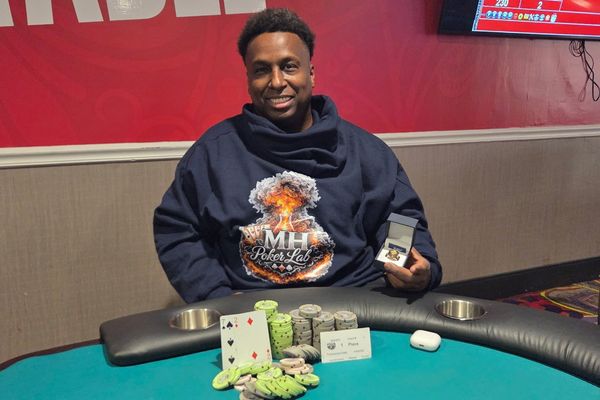
Maurice Hawkins has done it again, capturing his 24th World Series of Poker Circuit ring and extending a record that may never be broken. The polarizing poker pro took down a $400 Double Stack event in Chicago for over $17,000, then immediately sparked controversy on social media by declaring his dominance wasn’t luck—it was pure skill.
What Happened
Hawkins secured his latest Circuit victory at a Chicago-area stop, adding another trophy to a collection that now stands four rings ahead of his closest competitors, Ari Engel and Daniel Lowery, who each have 20. The win came just two months after his 23rd ring in Tunica, where he celebrated with a Michael Jordan-themed photo to commemorate matching MJ’s iconic number.
This time around, there were no elaborate photo shoots honoring Kobe Bryant or Willie Mays, but Hawkins made sure the poker world knew about his achievement through his preferred medium: Twitter. His post-victory message dripped with confidence and drew immediate reactions from some of poker’s biggest names, including Dan “Jungleman” Cates and Shaun Deeb.
The tweet encapsulated everything that makes Hawkins such a divisive figure in the poker community. While some see a relentless competitor who has mastered the Circuit grind, others point to past controversies and question whether his online persona helps or hurts the game. Regardless of where you stand, the numbers don’t lie—24 Circuit rings represents an unprecedented level of consistency in mid-stakes tournament poker.
Jungleman was among the first to respond, bringing up old grievances about unpaid debts and suggesting Hawkins could have a better reputation if he addressed these issues. Hawkins fired back with a terse “Keep my name out of your mouth,” setting off a thread of responses that highlighted the complicated relationship between the Circuit king and poker’s broader community.
Shaun Deeb, fresh off his second Circuit ring and preparing for another WSOP Player of the Year chase, chimed in from WSOP Europe with a subtle challenge about competing on the international stage. Whether Hawkins will take that bait remains uncertain, but the exchange demonstrates how his victories consistently generate conversation—and controversy.
The Poker Strategy Breakdown
What can we learn from a player who has won two dozen Circuit rings? The answer lies in understanding what makes Circuit events different from other tournament structures, and how Hawkins has optimized his approach for this specific ecosystem.
Circuit events typically feature softer fields than flagship WSOP tournaments in Las Vegas. They attract recreational players, regional grinders, and pros looking to accumulate points for the Circuit leaderboard. The $400 buy-in level that Hawkins frequently targets sits in a sweet spot—high enough to generate meaningful prize pools, but low enough to attract players with significant skill gaps.
Hawkins’ dominance suggests he’s mastered the art of exploitative play against weaker competition. Unlike high-roller events where game theory optimal (GTO) approaches become necessary against elite opponents, Circuit events reward players who can quickly identify and exploit common recreational mistakes. This means playing more hands in position against calling stations, applying pressure to tight players who fold too much, and adjusting bet sizing based on opponent tendencies rather than solver outputs.
The “Double Stack” format of this particular event also plays into certain strategic considerations. Starting with deeper stacks means more room for post-flop play and less reliance on preflop shove-fold mathematics. Players who excel at reading opponents and extracting value across multiple streets have an edge over those who rely primarily on push-fold charts and preflop aggression.
Hawkins’ statement about “building edges” while others “chase heaters” reveals a crucial mindset difference. Tournament poker involves enormous variance, and even skilled players can go months without a significant score. Hawkins appears to have developed a volume-based approach—playing enough events with sufficient edge that variance evens out over time. His 24 rings didn’t come from 24 tournaments; they came from hundreds or thousands of entries where he maintained a consistent advantage.
Reading The Field & Table Dynamics
One underappreciated aspect of Circuit success is field reading—understanding not just individual opponents, but the overall composition and tendencies of a tournament field. Hawkins has played enough Circuit events to recognize patterns that recreational players might miss entirely.
Circuit fields typically tighten up significantly on the bubble and near final table formation. Many players are there specifically to win a ring, not to maximize expected value, which creates exploitable situations for aggressive players willing to apply pressure. Hawkins likely recognizes these spots and accumulates chips while others play scared money.
Table dynamics in mid-stakes Circuit events also differ from higher buy-in tournaments. You’ll encounter more passive play, more limping, and more calling with marginal hands. Players who can shift gears—playing straightforward value poker against calling stations while bluffing more against nitty opponents—will outperform those who stick to a single strategy.
The Independent Chip Model (ICM) considerations in these events also favor experienced players. Near the money bubble and at final tables, understanding ICM pressure allows skilled players to steal blinds and antes from opponents who are playing too conservatively. Hawkins’ experience in these situations—having navigated final tables 24 times successfully—gives him a massive edge over players experiencing these high-pressure moments for the first time.
Another factor is stamina and mental game. Circuit events often feature long days with many levels of play. Players who can maintain focus and avoid tilt over 10-12 hour sessions have a significant advantage. Hawkins’ volume approach suggests he’s developed the mental fortitude to grind through variance and fatigue that would break less experienced players.
How To Apply This To Your Game
Even if you’re not grinding Circuit events, there are valuable lessons from Hawkins’ approach that apply to any tournament player looking to improve results.
First, specialize in a format where you can develop a sustainable edge. Hawkins hasn’t won a WSOP Main Event or a high roller; he’s dominated a specific niche where his skills, experience, and playing style create maximum advantage. Identify the games and stakes where your win rate is highest, then focus your volume there rather than chasing prestige events where you might be outmatched.
Second, embrace volume as a variance reduction strategy. One tournament win proves nothing; 24 wins in the same format proves systematic edge. If you believe you’re a winning player, the solution to variance isn’t to play less or wait for better spots—it’s to play more and let your edge manifest over a larger sample size.
Third, develop exploitative adjustments for common opponent types. Study the mistakes recreational players make repeatedly: calling too much with weak hands, folding too often to aggression, failing to adjust bet sizing based on stack depths. Build a mental playbook for exploiting these tendencies rather than trying to play perfectly balanced poker against opponents who aren’t capable of exploiting you.
Fourth, master bubble and final table dynamics. These are the situations where tournaments are won and lost. Invest time studying ICM, understanding when to apply pressure and when to play conservatively, and recognizing how stack sizes affect optimal strategy. Players who navigate these stages better than their opponents will accumulate more final table appearances and more wins.
Finally, develop mental resilience. Hawkins’ response to criticism—”I am going to cry”—shows someone who doesn’t let external opinions affect his game. Whether or not you agree with his approach to public relations, the ability to block out negativity and focus on execution is crucial for tournament success.
Key Takeaways
- Maurice Hawkins now holds 24 WSOPC rings, four more than his nearest competitors and a record that demonstrates consistent edge over a large sample size
- Circuit success requires exploitative adjustments against softer fields rather than GTO-focused strategies designed for elite competition
- Volume-based approaches reduce variance and allow skilled players to realize their edge despite the high variance nature of tournament poker
- Mastering bubble and final table ICM dynamics creates significant advantages in accumulating tournament wins
- Specializing in a specific format where you have maximum edge often produces better results than chasing prestige events
- Mental game and ability to handle criticism without tilting are crucial components of sustained tournament success
Frequently Asked Questions
How many WSOPC rings does Maurice Hawkins have?
Maurice Hawkins currently holds 24 World Series of Poker Circuit rings, which is the all-time record. He’s four rings ahead of Ari Engel and Daniel Lowery, who are tied for second place with 20 rings each. His latest victory came in a $400 Double Stack event in Chicago.
What makes WSOP Circuit events different from main WSOP tournaments?
WSOP Circuit events typically feature softer fields with more recreational players and regional grinders compared to flagship WSOP events in Las Vegas. They have lower buy-ins (often $400-$1,700), travel to different cities throughout the year, and award Circuit rings rather than bracelets. The competition level is generally less intense than major WSOP events, creating opportunities for skilled players to build edges through exploitative play.
Why is Maurice Hawkins a controversial figure in poker?
Hawkins is controversial due to his confrontational social media presence and past disputes over debts within the poker community. While his tournament results are undeniably impressive, some players and fans criticize his online behavior and question his reputation. High-profile players like Dan “Jungleman” Cates have publicly called out these issues, though Hawkins maintains his focus on results rather than popularity.
Final Thoughts
Maurice Hawkins’ 24th Circuit ring represents more than just another trophy—it’s a masterclass in finding your niche and exploiting it relentlessly. While poker’s glamour often focuses on high roller events and Main Event champions, Hawkins has built a legacy through consistency and volume in a format he’s clearly mastered. His approach may not win popularity contests, but it wins tournaments, and that’s ultimately what separates champions from also-rans.
The debate about whether Hawkins’ success stems from skill or luck is essentially settled by the sample size. No one accidentally wins 24 Circuit rings. Whatever controversies surround his persona, the poker results speak for themselves. For players looking to improve their own tournament game, studying what makes Hawkins successful in this format—exploitative adjustments, volume-based variance reduction, and mental resilience—offers more value than focusing on the Twitter drama.
Whether Hawkins will eventually venture beyond his Circuit comfort zone to test himself in higher-profile international events remains to be seen. But for now, he’s proven that dominance in a specific niche can build a legacy that stands alone in poker history. The question isn’t whether anyone will catch him—it’s whether his record will ever be broken.
Ready to Sharpen Your Poker Game?
Master your poker game with expert hand analysis
