Negreanu Weighs In: Lodge Raid Hurts Poker’s Reputation
Daniel Negreanu has voiced concerns that the recent law enforcement action against The Lodge Card Club represents a damaging blow to poker’s public image. The six-time WSOP bracelet winner broke his silence on the Texas raid, arguing that negative headlines surrounding money laundering investigations harm the game’s credibility regardless of the eventual outcome.
What Happened
The Lodge Card Club, a prominent Texas poker venue with partial ownership by Doug Polk, faced an unexpected shutdown when the Texas Alcoholic Beverage Commission executed a raid on March 10. TABC Director of Communications Chris Porter confirmed to media outlets that investigators are examining potential money laundering activities and illegal gambling operations at the facility.
The club responded with an official statement acknowledging that authorities have frozen all assets and bank accounts. Despite the severity of these actions, The Lodge emphasized that no formal charges have been filed against the business or its ownership. The statement also pledged full cooperation with investigating agencies.
Doug Polk addressed player concerns through social media, offering a personal guarantee that all player funds would be protected. However, he has refrained from providing detailed commentary on the investigation itself, likely following legal counsel’s advice.
The Reputation Management Strategy
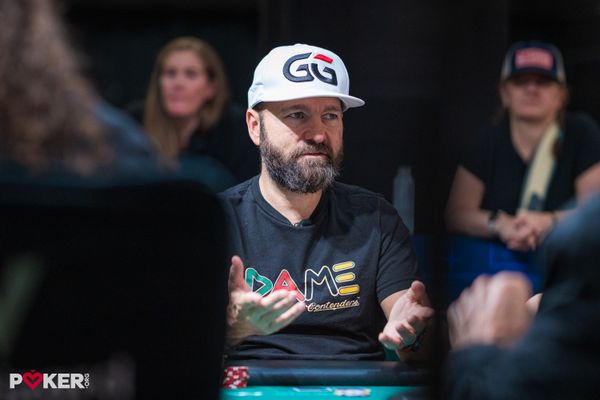
Negreanu’s commentary reveals a sophisticated understanding of poker’s ongoing struggle for mainstream acceptance. During a YouTube video posted Monday, he dissected the situation with the analytical approach that has made him one of poker’s most respected voices.
The money laundering allegations particularly concern Negreanu, who dismissed them as unlikely while acknowledging their rhetorical power. “That’s a very big buzzword,” he explained, noting how such terminology carries weight far beyond its legal definition. In the court of public opinion, accusations alone can inflict lasting damage.
What makes Negreanu’s position particularly interesting is his willingness to defend Polk despite their well-documented history of conflict. The two poker personalities have clashed repeatedly over the years, engaging in public disputes about everything from game integrity to promotional tactics. Yet Negreanu explicitly stated his belief that Polk and The Lodge ownership have operated with good intentions.
This represents a calculated strategic decision. By setting aside personal differences, Negreanu strengthens his argument that the situation transcends individual personalities. He’s not defending Doug Polk the rival—he’s defending the poker ecosystem that both men inhabit and profit from.
The Canadian poker legend also revisited an old debate between himself and Polk regarding negative publicity. Polk has previously argued that controversial stories, including cheating scandals, can benefit poker by attracting attention and viewership. Negreanu has consistently disagreed with this perspective, believing that negative coverage attracts the wrong kind of attention.
“When a cheating scandal turns up on ESPN, a lot of people tune in and have their eyes on poker,” Negreanu acknowledged, fairly representing Polk’s viewpoint. “But, for me, it’s for the wrong reasons.” He expressed hope that the current situation might shift Polk’s thinking on whether all publicity truly serves the game’s long-term interests.
Reading The Field & Table Dynamics
The Lodge raid occurs within a complex regulatory landscape that varies dramatically across jurisdictions. Texas operates under laws that create gray areas for poker clubs, which typically function as private membership organizations rather than traditional casinos. This legal ambiguity has allowed poker rooms to flourish across the state, but it also creates vulnerability to regulatory scrutiny.
Negreanu admitted he lacks specific knowledge about Texas poker club legality, a candid acknowledgment that strengthens his credibility. Rather than pretending expertise, he focused on the broader implications for poker’s reputation regardless of legal technicalities.
The player fund situation represents the most immediate concern for the poker community. When assets and accounts get frozen during investigations, players with chips or account balances face uncertainty about accessing their money. Negreanu suggested that Polk’s legal advisors have likely recommended against distributing funds until the investigation clarifies what assets might be subject to seizure or forfeiture.
“Some people might have a load of Lodge chips, and that might be the majority of their bankrolls, and that’s tough for them,” Negreanu observed, showing empathy for players caught in limbo. However, he expressed confidence in eventual resolution: “But if I had to bet, I’d bet that those funds will be honored.”
This prediction carries weight given Negreanu’s decades of experience navigating poker’s business side. He’s witnessed numerous poker room closures, regulatory actions, and financial disputes. His willingness to stake his reputation on a positive outcome suggests genuine belief in The Lodge’s financial integrity.
The timing of Negreanu’s comments also matters. By speaking out relatively early in the investigation, he’s attempting to shape the narrative before it hardens into conventional wisdom. This proactive approach reflects lessons learned from past poker scandals where initial silence allowed negative stories to dominate unchallenged.
How To Apply This To Your Game
While this situation involves business and legal matters rather than hand strategy, it offers valuable lessons for poker players at all levels.
First, understand the regulatory environment where you play. Whether you’re grinding cash games at local clubs or traveling for tournaments, know the legal status of your venue. Gray-area legality creates risks that extend beyond the operators to players themselves. Research local laws, understand how poker rooms structure their operations, and recognize warning signs of regulatory vulnerability.
Second, manage your bankroll with venue risk in mind. Negreanu’s observation about players having “the majority of their bankrolls” in Lodge chips highlights a critical error. Never concentrate your entire poker bankroll in a single venue’s chips or account balance. Maintain liquidity and diversification to protect against unexpected closures or asset freezes.
Third, reputation matters more than short-term gains. Negreanu’s consistent stance against negative publicity reflects understanding that poker’s long-term growth depends on public perception. As a player, your reputation within the poker community functions similarly. Avoid sketchy games, questionable practices, or associations that might damage your standing even if they offer immediate profit.
Fourth, separate personal conflicts from professional interests. Negreanu’s willingness to defend Polk despite their rivalry demonstrates mature strategic thinking. In poker communities, you’ll encounter players you dislike or disagree with. Learning to work alongside them when broader interests align is essential for navigating the social dynamics of poker.
Finally, recognize that external factors beyond your control can impact your poker career. Regulatory changes, venue closures, and industry controversies affect players regardless of their skill level. Building resilience through financial preparation, diverse playing options, and adaptable strategies helps you weather these disruptions.
Key Takeaways
- Negreanu argues that negative publicity surrounding The Lodge raid damages poker’s reputation regardless of investigation outcomes
- Despite past conflicts with Doug Polk, Negreanu defended The Lodge ownership’s intentions and operational integrity
- The debate over whether controversial coverage helps or hurts poker continues, with Negreanu maintaining his position that negative attention attracts interest for the wrong reasons
- Player funds remain frozen during the investigation, but Negreanu expressed confidence they will eventually be honored
- The situation highlights risks of playing in legally ambiguous jurisdictions and the importance of bankroll diversification
- Poker’s mainstream acceptance remains fragile, making reputation management crucial for the industry’s long-term health
Frequently Asked Questions
Why did authorities raid The Lodge Card Club?
The Texas Alcoholic Beverage Commission executed the raid as part of an investigation into suspected money laundering and illegal gambling. No charges have been filed yet, and the investigation remains ongoing. The Lodge has stated its commitment to cooperating fully with authorities while maintaining that it has operated properly.
Will players get their money back from The Lodge?
Doug Polk has personally guaranteed all player funds, and Daniel Negreanu expressed confidence that these funds will be honored. However, the asset freeze means players cannot currently access their money. Legal advisors likely recommended waiting until the investigation clarifies what assets might be subject to legal action before distributing funds.
How does negative publicity affect poker’s growth?
Negreanu argues that negative publicity attracts attention for the wrong reasons, potentially reinforcing negative stereotypes about poker and gambling. While controversial stories may increase short-term interest, they can undermine efforts to position poker as a legitimate skill game worthy of mainstream acceptance and favorable regulation.
Final Thoughts
Daniel Negreanu’s commentary on The Lodge situation reveals the delicate balance poker maintains between entrepreneurial growth and regulatory acceptance. His willingness to set aside personal differences with Doug Polk to defend the broader poker ecosystem demonstrates the stakes involved. This isn’t just about one club in Texas—it’s about whether poker can continue expanding in legally ambiguous markets without triggering crackdowns that reverse years of progress.
The situation also exposes vulnerabilities in poker’s business model across many jurisdictions. When venues operate in gray areas, players, employees, and owners all face risks that can materialize suddenly. While The Lodge may ultimately be cleared of wrongdoing, the disruption itself creates casualties. Players lose access to their bankrolls, employees lose income, and the venue loses business and reputation regardless of eventual exoneration.
For the poker community, this serves as a reminder that the game exists within a broader social and legal context. Technical skill at the tables matters immensely, but so does understanding the business, regulatory, and reputational factors that shape where and how poker can be played. Negreanu’s analysis offers a masterclass in thinking beyond the cards to consider poker’s place in the larger world—a perspective that separates true poker professionals from mere card players.
Ready to Sharpen Your Poker Game?
Master your poker game with expert hand analysis