Nick Rigby’s Triple Crown: Inside a 24-Hour Tournament Heater
Nick Rigby accomplished something virtually unheard of in tournament poker: three live tournament victories within a 24-hour span. The RunGood ambassador captured three titles and $44,773 at Hollywood Casino St. Louis, showcasing an extraordinary combination of skill, stamina, and momentum that few players ever experience.
What Happened
The unprecedented run began with Rigby taking down the $400 Power Stack event on Thursday at the RunGood Poker Series stop in St. Louis. Rather than celebrating and taking a break, he immediately jumped into the $500 Pot-Limit Omaha tournament the following day and shipped that as well. To cap off the remarkable stretch, Rigby secured a third title in the $200 No-Limit Hold’em Turbo event that same evening.
This wasn’t a case of beginner’s luck or random variance. Rigby entered St. Louis riding serious momentum from a sixth-place finish worth $72,000 in the largest WSOP Circuit Main Event ever held at Cherokee, North Carolina, just two weeks prior. That deep run ignited something in the aggressive player known for popularizing the “dirty diaper” (two-three offsuit), setting the stage for his historic performance.
The three RunGood rings and nearly $45,000 in prize money represent more than just a hot streak—they demonstrate how tournament momentum, mental preparation, and exploitative play converge to create extraordinary results. Rigby’s ability to maintain focus and peak performance across multiple formats and buy-in levels over such a compressed timeframe offers valuable lessons for tournament grinders at every level.
The Poker Strategy Breakdown
Rigby’s success across three different tournament structures reveals sophisticated strategic adjustments. In the $400 Power Stack, he entered the final table as chip leader, allowing him to apply maximum pressure while leveraging what he calls his “PFA”—post-flop advantage. This edge becomes critical when deep-stacked, as it allows skilled players to outmaneuver opponents after the flop rather than relying solely on preflop equity.
The PLO event required an entirely different skill set. After losing his first bullet quickly, Rigby rebounded with his second entry, demonstrating the mental fortitude to shake off an early bust and refocus. Pot-Limit Omaha demands precise hand reading and pot control, as equities run much closer than in Hold’em. His ability to switch gears between formats shows the versatility required for modern tournament success.
Perhaps most impressive was maintaining peak performance in the turbo event after already grinding two tournaments. Turbo structures compress decision-making time and accelerate blind levels, requiring players to make correct decisions under pressure with shorter effective stacks. Rigby’s experience and pattern recognition allowed him to navigate these faster dynamics while fatigued—a skill that separates professionals from amateurs.
His exploitative approach focuses on identifying and attacking opponent tendencies rather than playing a rigid game theory optimal strategy. At mid-stakes tournaments, this style proves particularly effective because recreational players display more pronounced leaks and predictable patterns. Rigby capitalizes on these imbalances, turning marginal spots into profitable situations through superior opponent modeling.
Reading The Field & Table Dynamics
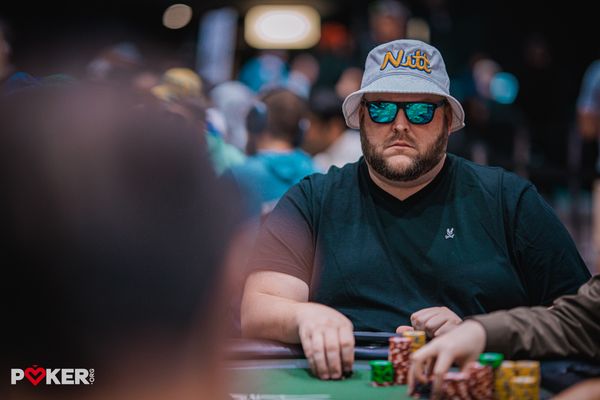
One of Rigby’s most valuable skills is adapting to table dynamics and opponent psychology. He’s built a reputation that precedes him, with players literally announcing “buckle up” when he sits down. This image creates interesting dynamics—recreational players actively try to bust him with weak holdings like two-three offsuit, hoping to create a memorable moment.
While this might seem disadvantageous, Rigby turns it into an edge. When opponents play suboptimally wide ranges specifically to engage with him, they’re making strategic mistakes driven by emotion rather than sound poker logic. He exploits this by adjusting his own ranges and playing more straightforwardly in spots where opponents are likely to overplay their hands.
At the Power Stack final table, Rigby faced a particularly challenging opponent who employed an all-in-or-fold strategy, eliminating post-flop play entirely. This frustrated his preferred style but demonstrates the adaptability required at final tables. Rather than tilting or forcing action, he adjusted by tightening his calling ranges and waiting for premium hands to confront the shover.
The heads-up battle in the Power Stack came down to ace-four versus ace-six—a classic flip situation where both players held similar strength. The fact that Rigby and his opponent chose to play for the ring rather than deal speaks to the competitive spirit that drives successful tournament players. These marginal edges in heads-up play often determine championships.
Rigby’s success at RunGood events also stems from understanding the mid-stakes ecosystem. These tournaments attract a mix of recreational players, regional pros, and traveling grinders, creating a dynamic where table talk and personality matter. His engaging style keeps recreational players happy while subtly gathering information about opponent tendencies through their reactions and table chat.
How To Apply This To Your Game
The first lesson from Rigby’s heater is the power of momentum in tournament poker. When you’re running well, maintain an aggressive, confident approach. This doesn’t mean playing recklessly, but rather trusting your reads and not shying away from marginal spots. Confidence affects decision-making quality, and believing you’ll win often becomes a self-fulfilling prophecy through better execution.
Develop format versatility by practicing different tournament structures and game variants. Rigby’s ability to excel in a standard deep-stack event, a PLO tournament, and a turbo format within 24 hours required completely different skill sets. Modern tournament players must be comfortable adjusting their strategy based on structure, game type, and blind levels.
Focus on exploitative play in mid-stakes tournaments rather than trying to be perfectly balanced. Identify the most common player types at your stakes and develop specific strategies to exploit them. Against calling stations, value bet thinner and bluff less. Against tight players, increase your stealing frequency. Against aggressive opponents, trap more and call down lighter.
Build a table image that works for your style. Rigby’s aggressive, entertaining persona creates action and encourages mistakes from opponents trying to make hero plays. You don’t need to copy his exact approach, but understanding how your image affects opponent behavior allows you to manipulate dynamics in your favor.
When you bust a tournament, especially early, develop the mental reset skills to rebuy with a clear head. Rigby’s quick bust in the PLO event didn’t derail his focus—he fired another bullet and shipped it. This resilience separates winning players from those who let frustration compound into poor decisions.
Finally, prioritize post-flop skill development. Rigby repeatedly emphasizes his post-flop advantage as a key edge. Most players focus too heavily on preflop ranges while neglecting the more complex decision trees that occur after the flop. Studying board textures, bet sizing, and multi-street planning will dramatically improve your tournament results.
Key Takeaways
- Momentum matters in tournament poker—confidence and positive mindset directly impact decision-making quality and can create self-reinforcing winning streaks
- Exploitative play trumps balanced strategy at mid-stakes tournaments where opponents display clear tendencies and predictable patterns
- Format versatility is essential for modern tournament success—the ability to adjust between deep-stack, turbo, and different game variants maximizes earning opportunities
- Post-flop skill provides the most significant edge in tournament poker, allowing you to outplay opponents and turn marginal hands into winners
- Table image and personality can be strategically leveraged to encourage opponent mistakes and create profitable dynamics
- Mental resilience and the ability to refocus after setbacks separates professional performers from recreational players
Frequently Asked Questions
How rare is it to win three live tournaments in 24 hours?
Extremely rare—potentially unprecedented in documented poker history. While players occasionally win back-to-back tournaments at the same series, winning three separate events within a 24-hour period requires an extraordinary combination of skill, stamina, and favorable variance. The compressed timeframe means managing fatigue while maintaining peak decision-making across multiple final tables.
What is the “dirty diaper” hand and why is it associated with Nick Rigby?
The “dirty diaper” refers to two-three offsuit, considered one of the worst starting hands in Hold’em. Rigby popularized the term and became known for playing it aggressively, turning it into a signature move. His reputation with this hand now causes opponents to play it against him hoping to create a memorable moment, which he exploits by adjusting his strategy when opponents play wider ranges.
Should I play multiple tournaments in one day to maximize profit?
Playing multiple tournaments can maximize volume and profit potential, but only if you can maintain focus and peak performance. Fatigue leads to mistakes that quickly erode expected value. Start by playing two tournaments simultaneously or consecutively, then gradually increase volume as your stamina and decision-making consistency improve. Quality of play always matters more than quantity of tournaments.
Final Thoughts
Nick Rigby’s triple crown in St. Louis represents more than just a remarkable heater—it’s a masterclass in tournament poker execution across multiple dimensions. His ability to maintain peak performance while switching between formats, managing fatigue, and adjusting to different opponent pools demonstrates the complete skill set required for modern tournament success.
The most valuable lesson isn’t about chasing similar results, but understanding the principles that made them possible. Rigby’s exploitative approach, post-flop focus, mental resilience, and strategic use of table image create edges that compound over time. These skills are learnable and applicable at every stake level, from local casino tournaments to major series stops.
Whether you’re grinding mid-stakes tournaments or building your skills at lower buy-ins, the path to improvement follows the same trajectory: develop format versatility, strengthen post-flop play, identify and exploit opponent tendencies, and cultivate the mental game to perform consistently under pressure. Rigby’s historic run proves that when preparation meets opportunity and momentum, extraordinary results become possible.
Ready to Sharpen Your Poker Game?
Master your poker game with expert hand analysis